
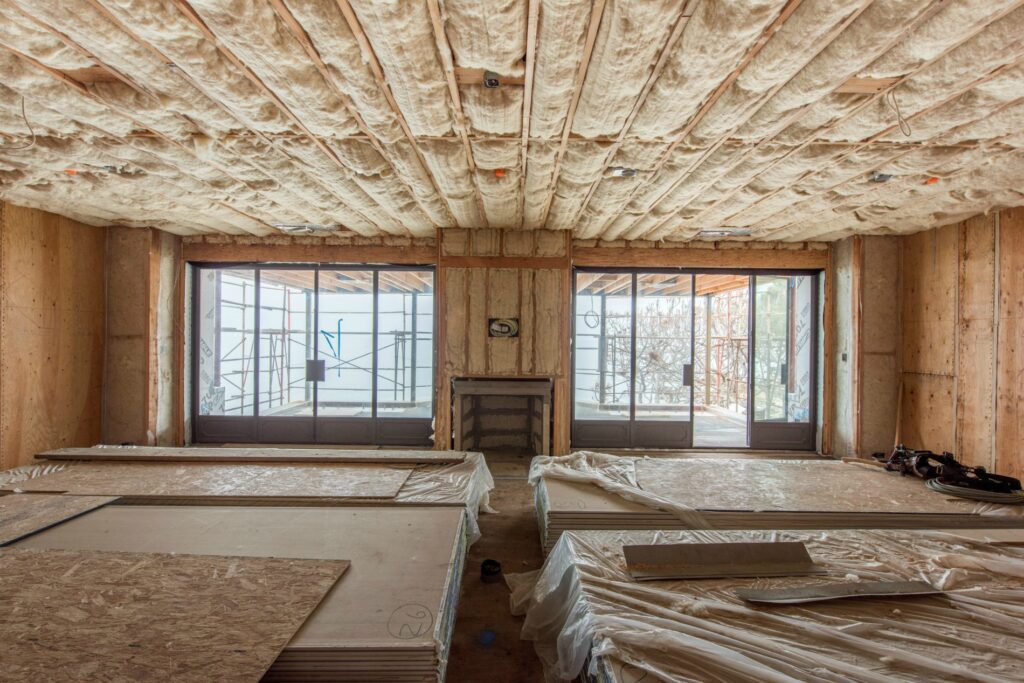
What is Sheep’s Wool Used For?
Sheep’s wool has been a popular choice for thermal and acoustic insulation in Europe, particularly in Central Europe and Switzerland. This natural, sustainable, and recyclable material offers excellent performance in protecting against heat, cold, and noise. In this article, we will explore the benefits of using sheep’s wool as an insulation material, its applications, and the environmental advantages it provides.
Why is Sheep’s Wool a Smart Choice?
Sheep’s wool is a smart choice for several reasons:
- Natural and Sustainable: Sheep’s wool is a natural, biodegradable, and recyclable material that reduces the carbon footprint of buildings.
- Excellent Thermal Performance: Sheep’s wool provides excellent thermal insulation, keeping buildings warm in winter and cool in summer.
- Acoustic Benefits: Sheep’s wool also offers excellent acoustic benefits, reducing noise pollution and creating a more comfortable living environment.
How is Sheep’s Wool Used in Insulation?
Sheep’s wool can be used in various forms of insulation, including:
- Pannelli (Panels): Pannelli are panels made from sheep’s wool that provide thermal and acoustic insulation.
- Materassini: Materassini are mats made from sheep’s wool that can be applied to walls, floors, and ceilings for insulation.
- Solai: Solai are roof structures made from sheep’s wool that provide thermal and acoustic insulation.
The Benefits of Using Sheep’s Wool
Using sheep’s wool as an insulation material has several benefits:
- Reduced Energy Consumption: Sheep’s wool insulation reduces energy consumption by minimizing heat loss in winter and heat gain in summer.
- Improved Indoor Air Quality: Sheep’s wool insulation helps to reduce air pollution by preventing the entry of dust, pollen, and other airborne particles into buildings.
- Increased Property Value: Using sheep’s wool insulation can increase property value by creating a more comfortable living environment.
Environmental Advantages
Sheep’s wool has several environmental advantages:
- Reduced Carbon Footprint: Sheep’s wool is a natural, biodegradable material that reduces the carbon footprint of buildings.
- Recyclable: Sheep’s wool is recyclable, reducing waste and minimizing the need for new raw materials.
Conclusion
Sheep’s wool is a smart choice for thermal and acoustic insulation due to its natural, sustainable, and recyclable properties. Its excellent thermal performance and acoustic benefits make it an ideal material for reducing energy consumption and improving indoor air quality. By using sheep’s wool insulation, builders can create more comfortable living environments while minimizing their environmental impact.
Frequently Asked Questions
Q: Is sheep’s wool a suitable alternative to synthetic insulation materials?
A: Yes, sheep’s wool is a suitable alternative to synthetic insulation materials due to its natural, sustainable, and recyclable properties.
Q: How does sheep’s wool perform in extreme weather conditions?
A: Sheep’s wool performs well in both hot and cold weather conditions, making it an excellent choice for thermal insulation.
Q: Can sheep’s wool be used as a sole material for insulation?
A: No, sheep’s wool cannot be used as a sole material for insulation due to its low compressive strength. It is often blended with other materials, such as polystyrene or polyester, to enhance its performance.
Q: How can I ensure that my sheep’s wool insulation is properly maintained and cleaned?
A: To maintain and clean your sheep’s wool insulation, use a vacuum cleaner with a soft-bristled brush attachment to gently remove debris. Avoid using harsh chemicals or high-pressure washes, as they can damage the wool fibers.
Q: Is sheep’s wool insulation suitable for historic buildings?
A: Yes, sheep’s wool insulation is suitable for historic buildings due to its natural and non-invasive properties. It can be used without damaging the existing structure or compromising its integrity.
Q: Can I use sheep’s wool insulation in conjunction with other materials, such as fiberglass or cellulose?
A: Yes, you can use sheep’s wool insulation in conjunction with other materials, such as fiberglass or cellulose, to create a hybrid insulation system that offers improved thermal performance and acoustic benefits.


