
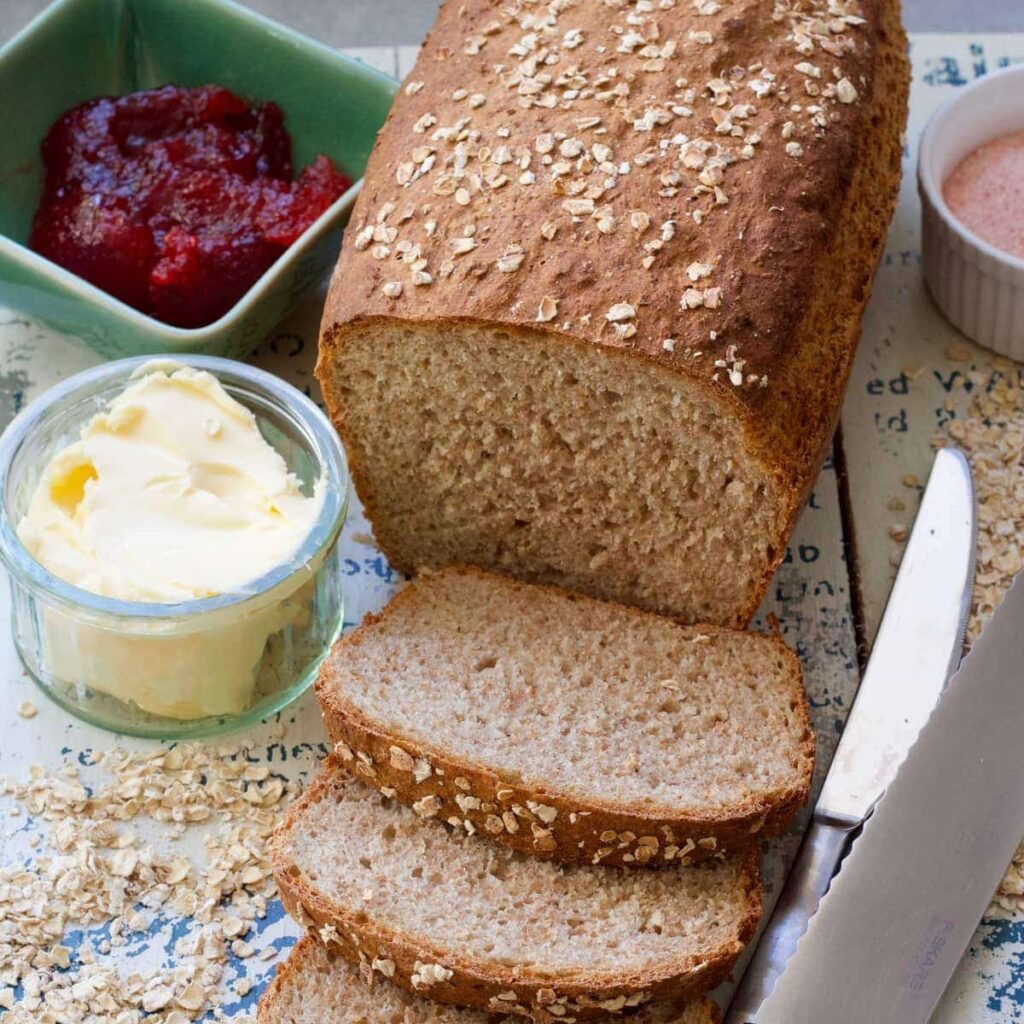
As we go about our daily lives, it’s easy to overlook the type of bread we’re consuming. We often settle for white bread, which lacks the nutritional benefits that whole wheat bread provides. In this article, we’ll delve into the world of whole wheat bread and explore its numerous health benefits, as well as provide three simple recipes to make delicious whole wheat bread at home.
What is Whole Wheat Bread?
Whole wheat bread is made from whole grains, which means it includes all parts of the grain, including the bran, germ, and endosperm. The process of making whole wheat bread involves milling the grain into flour, which can then be mixed with water, yeast, salt, and other ingredients to create a delicious and nutritious loaf.
The Benefits of Whole Wheat Bread
Whole wheat bread is an excellent source of fiber, which can help alleviate digestive issues such as constipation. The high fiber content also has a strong satiating effect, making it easier to manage weight. Additionally, whole wheat bread contains more nutrients than refined white bread, including iron, B vitamins, and antioxidants.
Some of the key benefits of consuming whole wheat bread include:
- Satiates hunger
- Eases digestive issues
- Protects cardiovascular health
- Lowers LDL cholesterol levels
- Prevents type 2 diabetes
The History of Whole Wheat Bread
Whole wheat bread has been a staple in many cultures for centuries. In ancient Egypt, Greece, and Rome, whole grain bread was the primary source of nutrition for the population. The introduction of refined white flour during the Industrial Revolution led to a decline in the consumption of whole wheat bread, but in recent years, there has been a resurgence of interest in whole grains and their nutritional benefits.
The Difference between Whole Wheat and Refined Flour
Refined flour, also known as white flour, is made from only the endosperm of the grain, leaving behind the bran and germ. This process removes much of the fiber, nutrients, and antioxidants found in whole grains, making refined flour a less healthy option.
Whole wheat flour, on the other hand, includes all parts of the grain and contains more fiber, vitamins, and minerals than refined flour. However, it’s essential to note that not all whole wheat flours are created equal. Look for flours that contain at least 80% whole grains to ensure you’re getting the most nutritional benefits.
Tips for Making Whole Wheat Bread
Making whole wheat bread can be a simple and rewarding process, but there are some tips to keep in mind:
- Use high-quality ingredients: Choose fresh yeast, pure water, and unbleached flour to ensure the best flavor and texture.
- Measure accurately: Make sure to measure all ingredients carefully, as incorrect measurements can affect the final product.
- Knead regularly: Kneading helps develop gluten, which is essential for creating a light and airy texture.
- Let it rise: Allow the dough to rise for at least an hour to ensure the yeast has time to ferment and create carbon dioxide.
Making Whole Wheat Bread at Home: A Guide
While many commercial whole wheat breads can be high in calories and preservatives, making your own bread at home is a simple and healthy way to enjoy this nutritious food. Here are three recipes to get you started:
Recipe 1: Simple Focaccia with Integrale Flour
This recipe uses integrale flour, which is a type of whole wheat flour that contains all parts of the grain.
Ingredients:
- 50g butter
- 1 tsp salt
- 700ml warm water
- 600g integrale flour
- 300g refined flour
- 2 tsp sugar
- 60g active dry yeast
Instructions:
- Combine flour and salt in a large mixing bowl.
- Add warm water to the mixture and mix until combined.
- Add butter, sugar, and yeast, then knead the dough for 10 minutes.
- Let the dough rise for 1 hour, then shape into small balls and flatten slightly.
- Place on baking sheet lined with parchment paper and bake at 400°F (200°C) for 15-20 minutes.
Recipe 2: Vegetarian Focaccia
This recipe is perfect for vegetarians who want to add more vegetables to their bread.
Ingredients:
- 200g margarine
- 1 kg integrale flour
- 200ml warm water
- 20g salt
- 50g sugar
- 500ml vegetable broth
- 300g pureed vegetables (such as zucchini, potatoes, spinach)
Instructions:
- Combine flour and salt in a large mixing bowl.
- Add warm water to the mixture and mix until combined.
- Add margarine, sugar, and vegetable broth, then knead the dough for 10 minutes.
- Let the dough rise for 1 hour, then shape into small balls and flatten slightly.
- Place on baking sheet lined with parchment paper and bake at 400°F (200°C) for 15-20 minutes.
Recipe 3: Whole Wheat Bread with Peppercorns and Oregano
This recipe adds a unique flavor to traditional whole wheat bread.
Ingredients:
- 200ml warm water
- 10g salt
- 300g refined flour
- 75g active dry yeast
- 1 tsp dried oregano
- 7g ground peppercorns
Instructions:
- Combine flour and salt in a large mixing bowl.
- Add warm water to the mixture and mix until combined.
- Add yeast, oregano, and peppercorns, then knead the dough for 10 minutes.
- Let the dough rise for 1 hour, then shape into a loaf and bake at 350°F (180°C) for 30-40 minutes.
Conclusion
Whole wheat bread is an excellent addition to any diet, providing numerous health benefits and delicious flavor. By making your own whole wheat bread at home, you can avoid preservatives and additives found in commercial products. With these three simple recipes, you’re ready to start baking delicious whole wheat bread that will become a staple in your kitchen.
Frequently Asked Questions
Q: What is the best type of flour for making whole wheat bread?
A: Integrale flour is an excellent choice for making whole wheat bread, as it contains all parts of the grain and provides more nutrients than refined white flour.
Q: How long does it take to make whole wheat bread?
A: The time it takes to make whole wheat bread can vary depending on the recipe and the skill level of the baker. Generally, it takes around 1-2 hours for the dough to rise.
Q: Can I add nuts or seeds to my whole wheat bread?
A: Yes, you can definitely add nuts or seeds to your whole wheat bread. This will provide additional flavor and nutrition.
Q: Is whole wheat bread good for people with gluten intolerance?
A: While whole wheat bread is a better choice than refined white bread for those with gluten intolerance, it’s still important to note that some people may react to the high fiber content of whole wheat bread.
Q: Can I make whole wheat bread in a slow cooker?
A: Yes, you can definitely make whole wheat bread in a slow cooker. Simply mix all the ingredients together and cook on low for 4-6 hours.
Q: Is it difficult to find whole wheat flour at the store?
A: Whole wheat flour is becoming increasingly popular, so it’s easier than ever to find at most grocery stores or health food stores.
Q: Can I make whole wheat bread without yeast?
A: Yes, you can definitely make whole wheat bread without yeast. This will result in a denser loaf, but still a delicious and nutritious option.
Q: Is whole wheat bread good for people with diabetes?
A: While whole wheat bread is a healthier choice than refined white bread, it’s still important to note that the high fiber content can cause blood sugar levels to rise. Consult with a healthcare professional before making any significant changes to your diet.


