
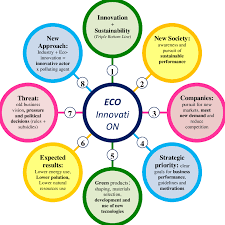
As the world shifts towards a more sustainable future, Italy is facing a crucial moment in its economic transformation. The Italian government has recognized the need to embrace eco-innovation, a key driver of sustainable growth and development. In this article, we will explore five essential actions that Italy must take to harness the power of eco-innovation and become a global leader in sustainable development.
Understanding Eco-Innovation
Eco-innovation refers to the integration of environmentally friendly technologies and practices into economic systems, leading to reduced environmental impact and increased social responsibility. It encompasses not only technological advancements but also changes in cultural attitudes and societal norms.
In 2020, the United Nations Environment Programme (UNEP) estimated that eco-industries accounted for approximately $0.5-1.5 trillion in annual revenue. By 2050, this figure could reach $3-10 trillion, highlighting the vast potential of eco-innovation.
The Need for a National Plan
To effectively implement eco-innovation, Italy needs a clear national strategy that aligns with its economic and industrial policies. The Italian government should establish a comprehensive plan to develop, promote, and implement eco-innovation, taking into account existing research and development activities.
Roberto Morabito, Head of the Environmental Technologies Unit at the European Nuclear Energy Agency (ENEA), emphasized the need for a radical shift towards sustainable production and consumption systems: “The goal of eco-innovation is to create new systems based on sustainable resource use and reduced emissions, leading to eventual decoupling between economic growth, resource use, and environmental impact.”
Assessing Italy’s Potential
A comprehensive analysis of Italy’s potential for eco-innovation reveals that the country is well-positioned to capitalize on this trend. However, it must address existing challenges, such as a lack of investment in research and development, inadequate infrastructure, and limited public awareness.
Despite ranking 16th in the European Union’s 2011 Eco-Innovation Index, Italy has made significant strides in eco-innovation. The country should build upon these achievements by implementing a national plan to drive sustainable growth.
Five Key Actions for Eco-Innovation
To unlock Italy’s potential for eco-innovation, the government must take concrete steps:
Action 1: Coherent Environmental Policies
Develop and implement policies that promote eco-innovation at all levels (local, national, European, and international). This includes updating existing environmental regulations and introducing new ones to support research and development. The Italian government should establish a coordination body to facilitate the implementation of these policies and ensure that they are effective in driving sustainable growth.
Some key policy areas include:
- Climate change mitigation: Implementing policies to reduce greenhouse gas emissions, such as carbon pricing, renewable energy targets, and green infrastructure investments.
- Waste management: Developing waste reduction and recycling strategies, including extended producer responsibility and circular economy initiatives.
- Biodiversity conservation: Protecting Italy’s natural habitats and promoting sustainable land use practices.
Action 2: Education and Awareness
Launch a nationwide education program that focuses on developing skills and promoting cultural changes. This will ensure that both traditional industries and new sectors can adapt to the eco-innovation paradigm.
The Italian government should prioritize education and awareness initiatives, including:
- Environmental literacy programs: Developing curricula and educational materials that teach citizens about sustainable practices and environmental issues.
- Skills training: Providing vocational training and apprenticeships in areas such as renewable energy, green technology, and sustainable agriculture.
- Public outreach: Organizing public events and campaigns to raise awareness about eco-innovation and promote behavioral change.
Action 3: Green Labeling and Public Procurement
Promote green products and services through labeling schemes and public procurement practices. This will create incentives for companies to develop sustainable offerings, stimulate market growth, and increase consumer awareness.
The Italian government should establish a green labeling system that recognizes eco-friendly products and services, such as:
- Energy efficiency labels: Creating labels that indicate the energy efficiency of products and buildings.
- Sustainable product certifications: Developing certifications that verify the sustainability of products, such as organic farming practices or recycled materials.
Action 4: Partnership and Collaboration
Establish a coordinating body to facilitate partnerships between public and private sectors. This will enable joint ventures, research collaborations, and system integration projects that combine sustainability with competitiveness.
The Italian government should foster collaboration among stakeholders, including:
- Industry associations: Working with industry associations to promote eco-innovation and develop sustainable practices.
- Research institutions: Collaborating with research institutions to advance knowledge in eco-innovation areas such as renewable energy, green chemistry, and sustainable agriculture.
- Civil society organizations: Partnering with civil society organizations to raise awareness and promote behavioral change.
Action 5: Support for Enterprises
Develop targeted support mechanisms for small and medium-sized enterprises (SMEs), which are crucial drivers of eco-innovation. Provide resources and incentives to help SMEs adopt sustainable practices, invest in research and development, and access funding opportunities.
The Italian government should offer support to SMEs, including:
- Research grants: Providing financial support for research and development projects that focus on eco-innovation.
- Incubators and accelerators: Establishing incubators and accelerators to support the growth of eco-innovative startups.
- Tax incentives: Offering tax breaks and other incentives to encourage SMEs to invest in sustainable practices.
Conclusion
Eco-innovation is an opportunity for Italy to transform its economy, create new jobs, and reduce its environmental footprint. By implementing these five key actions, the government can establish a solid foundation for a national plan that drives sustainable growth and development.
Italy’s success in eco-innovation will depend on its ability to address existing challenges, such as inadequate infrastructure and limited public awareness. However, with a clear national strategy and targeted support mechanisms, Italy can unlock its potential for eco-innovation and become a global leader in sustainable development.
Frequently Asked Questions (FAQs)
Q: What is eco-innovation, and how does it impact the environment?
A: Eco-innovation refers to the integration of environmentally friendly technologies and practices into economic systems. It leads to reduced environmental impact and increased social responsibility.
Q: Why is eco-innovation essential for sustainable development?
A: Eco-innovation is crucial for sustainable development as it enables countries to reduce their environmental footprint while promoting economic growth and social well-being.
Q: What role can Italy play in the global eco-innovation landscape?
A: Italy has significant potential to contribute to the global eco-innovation agenda, particularly through its strong industrial sector and research institutions.
Q: How can Italy’s economy transition towards sustainable growth?
A: A comprehensive national plan that promotes eco-innovation, coupled with education, awareness, green labeling, partnerships, and support for enterprises, will help drive sustainable growth.
Q: What are the key challenges facing Italy in its eco-innovation journey?
A: Italy faces challenges such as inadequate infrastructure, limited public awareness, and a lack of investment in research and development. Addressing these issues is crucial to successful eco-innovation implementation.
Q: How can individuals contribute to Italy’s eco-innovation efforts?
A: Citizens can support eco-innovation by adopting sustainable lifestyles, consuming environmentally friendly products, and advocating for green policies at the local level.
Q: What are the long-term benefits of eco-innovation in Italy?
A: The adoption of eco-innovation will lead to a more sustainable economy, reduced environmental impact, increased competitiveness, and improved quality of life for Italian citizens.


