
Understanding the Importance of Organization
Living in a cluttered environment can have a significant impact on our mental well-being. While it may seem like a small issue, excessive disorganization can lead to feelings of anxiety and stress. On the other hand, maintaining a tidy space can help us feel more focused and in control. In this article, we’ll explore the art of organization and provide tips and habits to help you achieve a more peaceful living environment.
Creating a Strategy for Organization
Before starting your organizational journey, it’s essential to create a plan. This will help you stay on track and avoid procrastination. Set specific goals for your space, and break them down into smaller, manageable tasks. Create a schedule for cleaning and organization, and stick to it. By having a clear plan, you’ll be more likely to achieve your desired results.
For example, if your goal is to declutter your living room, start by identifying the areas that need attention. Make a list of the items that need to be sorted through, and prioritize them based on importance. Create a schedule for tackling each item on the list, and break down larger tasks into smaller, more manageable chunks.
Designating a Workspace
Identify an area in your home that will serve as your workspace. This could be a dedicated office or a corner of your living room. Make sure it’s well-lit, comfortable, and free from distractions. By creating a designated workspace, you’ll be able to focus on your tasks without feeling overwhelmed.
When designing your workspace, consider the following factors:
- Natural light: Place your desk near a window to take advantage of natural light.
- Comfort: Invest in a comfortable chair and a decent desk to ensure you can work for extended periods without discomfort.
- Storage: Include storage solutions such as drawers, shelves, or cabinets to keep supplies and materials organized.
Establishing a Cleaning Routine
Cleaning and organization are not glamorous tasks, but they’re essential for maintaining a peaceful living environment. To avoid procrastination, schedule a specific day each week for cleaning and organization. Start with small tasks, like wiping down the kitchen counters or vacuuming the living room, and gradually work your way up to more extensive cleaning projects.
It’s also important to create a routine that works for you. Consider the following tips:
- Create a cleaning schedule: Divide your home into zones, and assign specific cleaning tasks to each zone.
- Set reminders: Use a calendar or planner to remind you of upcoming cleaning tasks.
- Break tasks down into smaller chunks: Divide larger tasks into smaller, more manageable chunks to avoid feeling overwhelmed.
Using Storage Solutions
Proper storage is crucial for maintaining a clutter-free space. Invest in bins, baskets, and other storage solutions that can help you keep items organized and out of sight. Label each container so you can easily find what you need when you need it.
When choosing storage solutions, consider the following factors:
- Material: Choose materials that are durable and easy to clean.
- Size: Select containers that fit your needs and are proportionate to the space they’ll be used in.
- Accessibility: Ensure that storage solutions are easy to access and use.
Reducing Clutter
Decluttering is an essential part of the organizational process. By getting rid of unnecessary items, you’ll free up space in your home and reduce stress. Start by identifying areas where clutter tends to accumulate, such as your closet or kitchen counter. Sort through each item, and decide whether it’s something you need, use, or can donate.
When decluttering, consider the following tips:
- Start small: Begin with a single area or category of items to avoid feeling overwhelmed.
- Be ruthless: Get rid of items that are no longer useful or serve no purpose.
- Enlist help: Recruit friends or family members to help you sort through cluttered areas.
The Benefits of Decluttering
Decluttering may seem like a daunting task, but the benefits are numerous. By getting rid of unnecessary items, you’ll:
- Reduce stress and anxiety
- Create more space in your home
- Improve your focus and productivity
- Save time and money
Tips for Maintaining a Clutter-Free Space
Maintaining a clutter-free space requires ongoing effort and attention. Here are some tips to help you stay on track:
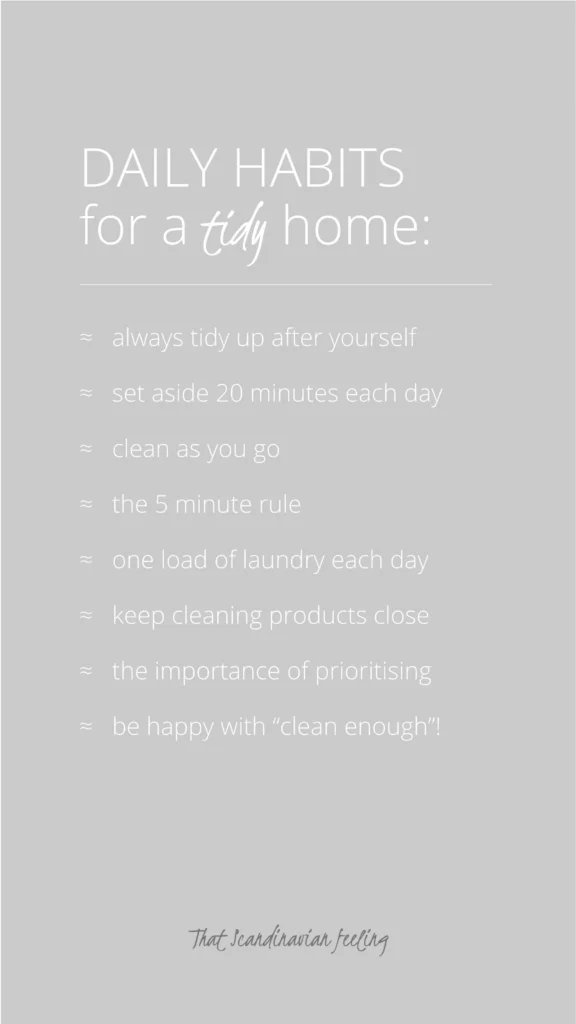
- Set aside time each day to tidy up: Take a few minutes each day to put away items that have been used or misplaced.
- Create a routine for cleaning and organization: Schedule regular cleaning sessions to keep your home organized and clutter-free.
- Use storage solutions to keep items organized: Label containers and store items in designated areas to avoid clutter.
- Practice the “one touch” rule: Deal with an item immediately when you pick it up, rather than putting it down and dealing with it later.
Additional Tips for Organization
Here are some additional tips for maintaining a clutter-free space:
- Consider the “one in, one out” rule: For every new item you bring into your home, get rid of an old one to maintain a balanced level of possessions.
- Use vertical storage: Make the most of your walls by using shelves, hooks, and other vertical storage solutions.
- Create a centralized command center: Designate a specific area as a “command center” where you can keep track of important documents, schedules, and reminders.
Conclusion
Organization is not just about keeping your space tidy; it’s also about creating a sense of calm and control. By implementing these tips and habits, you’ll be well on your way to achieving a more peaceful living environment.
Remember, organization is a process that takes time and effort. Don’t get discouraged if you don’t see immediate results – stick to your plan, and you’ll eventually achieve the level of organization you desire.
Frequently Asked Questions
- Q: Why is organization important?
A: Organization is essential for maintaining a clutter-free space, reducing stress, and improving focus and productivity. - Q: How do I get started with decluttering?
A: Start by identifying areas where clutter tends to accumulate and sort through each item, deciding whether it’s something you need, use, or can donate. - Q: What are some effective storage solutions?
A: Use bins, baskets, and other storage solutions that can help you keep items organized and out of sight. - Q: How often should I clean and organize my space?
A: Schedule a specific day each week for cleaning and organization, and stick to it. - Q: What are some tips for maintaining a clutter-free space?
A: Set aside time each day to tidy up, create a routine for cleaning and organization, use storage solutions, and practice the “one touch” rule. - Q: Can decluttering be overwhelming?
A: Yes, decluttering can be overwhelming, but start with small tasks and gradually work your way up to more extensive projects. - Q: How can I avoid procrastinating when it comes to cleaning and organization?
A: Create a plan, schedule specific days for cleaning and organization, and stick to it.
Additional Resources
If you’re looking for additional resources to help you achieve a clutter-free space, consider the following:
- Online organizational tools and apps
- Books on decluttering and organization
- Local support groups or workshops
By incorporating these tips and habits into your daily routine, you’ll be well on your way to achieving a more peaceful living environment. Remember, organization is a process that takes time and effort, but the benefits are numerous – so start today!


