
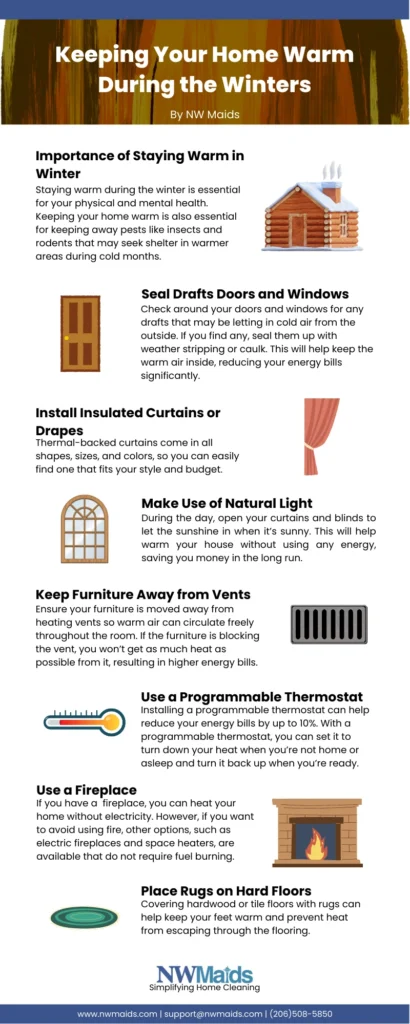
As the first enemy of your home, cold air can quickly turn your cozy abode into an ice box if you don’t have a proper heating system in place. Additionally, poor insulation in your building can make matters worse by allowing spifferi, humidity, and poorly insulated walls to create a chilly environment that’s hard to escape from. Don’t worry; we’ve got some practical tips to help you keep your home warm without relying on central heating for extended periods.
Small Changes Can Make a Big Difference
Do you often leave your windows open in the winter? This is not only letting cold air in but also causing drafts and making your home feel even colder. Take this opportunity to seal any gaps around doors and windows using foam strips or caulk, which can be found at hardware stores or home improvement centers like Leroy Merlin.
In addition to sealing gaps, consider implementing other small changes to improve the insulation of your home. For example, you can use draft stoppers made from rolled-up towels or blankets to block cold air from entering under doors. You can also place a door sweep or weatherstrip around the bottom of your exterior doors to prevent cold air from entering.
Outdated Windows: A Major Culprit
If your windows are old and not properly insulated, they’re likely allowing cold air to seep in. To combat this, install thermal curtains or blinds that can double as a barrier against the cold while also blocking out excessive sunlight during the day. You can attach these to the window frame using clips or adhesive strips.
Thermal curtains and blinds are designed to reduce heat loss by minimizing convection currents near the windows. They work by trapping warm air inside your home, preventing it from escaping through the gaps between the window and its frame.
Timing is Everything
Are you a morning person who likes to open your windows and let in some fresh air? Try changing your habits for the better by opening them during the middle of the day when the sun’s rays are shining on your home, but keep your windows closed at night. This way, you’ll trap the warmth inside while keeping out any cold air that might try to sneak in.
Another strategy is to open your curtains or blinds on sunny days to let sunlight warm up your home. As the sun’s rays heat up your home, close the curtains or blinds during peak hours to retain the warmth. By doing so, you’ll minimize heat loss and keep your home cozy throughout the day.
Stoves and Heaters: A Safer Alternative?
Are you still relying on electric stoves or heaters for your heating needs? While they may seem convenient, they can be expensive and inefficient. Consider investing in a gas stove or pellet stove instead. These alternatives can save you money on energy bills by up to €1,200 per year, depending on the type of system you install.
Gas stoves are generally considered more environmentally friendly than electric heaters as they produce fewer greenhouse gases and less pollution. Additionally, gas stoves tend to be more efficient and cost-effective in the long run.
Termosifoni: A Warm and Efficient Option
If you already have a termosifone (hot water storage heater), make sure it’s being used efficiently by only heating when your family is home, as this will allow the heat to be retained. Additionally, clean the filter regularly to ensure optimal performance.
To maximize the efficiency of your termosifone, consider using a timer to control when and how long you use it. By doing so, you can prevent unnecessary energy consumption and save on your energy bills.
Reducing Heat Loss
To minimize heat loss from your termosifone, cover the wall behind it with aluminum foil. This will help contain the warmth inside and prevent it from escaping.
Another strategy to reduce heat loss is to insulate your home’s pipes by wrapping them in insulation material or using foam pipe sleeves. This can help retain heat in the water, reducing energy consumption and saving you money on your energy bills.
Frequently Asked Questions
Q: Can I really save money by using alternative heating methods?
A: Yes, investing in a gas stove or pellet stove can save you up to €1,200 per year on energy bills. Additionally, using thermal curtains and blinds, sealing gaps around doors and windows, and optimizing your termosifone’s performance can also help reduce heat loss and lower your energy consumption.
Q: How often should I clean my termosifone’s filter?
A: It’s recommended to clean the filter every 2-3 months to ensure optimal performance. Regular cleaning will help maintain the efficiency of your termosifone and prevent issues like poor water flow or excessive heat loss.
Q: Are there any other ways to reduce heat loss in my home?
A: Yes, consider using draft-proofing tape or caulk to seal gaps around doors and windows. You can also use thermal insulation materials like foam board or fiberglass batts to insulate your walls and ceiling.
Q: Can I install thermal curtains on all of my windows?
A: While it’s possible to install thermal curtains on multiple windows, make sure to check the installation instructions for each window type before proceeding. Some types of windows may not be suitable for thermal curtain installation, so it’s essential to follow proper guidelines.
Q: Are gas stoves more environmentally friendly than electric heaters?
A: Yes, gas stoves are generally considered a cleaner-burning option compared to electric heaters as they produce fewer greenhouse gases and less pollution.
Q: Can I use thermal curtains as a permanent solution to heat loss in my home?
A: While thermal curtains can help reduce heat loss, they may not be enough to completely eliminate drafts and cold air. Consider combining them with other insulation methods for optimal results.
Q: How long does it take to install a gas stove or pellet stove?
A: The installation time will vary depending on the complexity of your home’s plumbing system, but it can typically take anywhere from 1-3 days to complete.
Q: Can I use thermal curtains during both day and night?
A: While it’s possible to leave thermal curtains open during both day and night, make sure to adjust the amount of sunlight they allow in during peak hours to avoid overheating. By doing so, you can maintain a comfortable temperature in your home while reducing heat loss.
Additional Tips
Here are some additional tips to help keep your home warm during winter:
- Use area rugs or mats at entryways to reduce cold air from entering and prevent moisture buildup.
- Consider using radiant floor heating systems, which use electricity or gas to warm up the floors directly.
- Keep your home well-maintained by ensuring that all seals and caulk are in good condition.
- Stay hydrated by drinking plenty of water to maintain body heat.
- If you’re concerned about health issues caused by cold temperatures, consider using a humidifier to add moisture back into the air.
By implementing these practical tips and strategies, you can keep your home warm during winter without relying on central heating for extended periods. Remember to prioritize energy efficiency and reduce heat loss to save money on your energy bills and maintain a cozy living environment.


