
Introduction
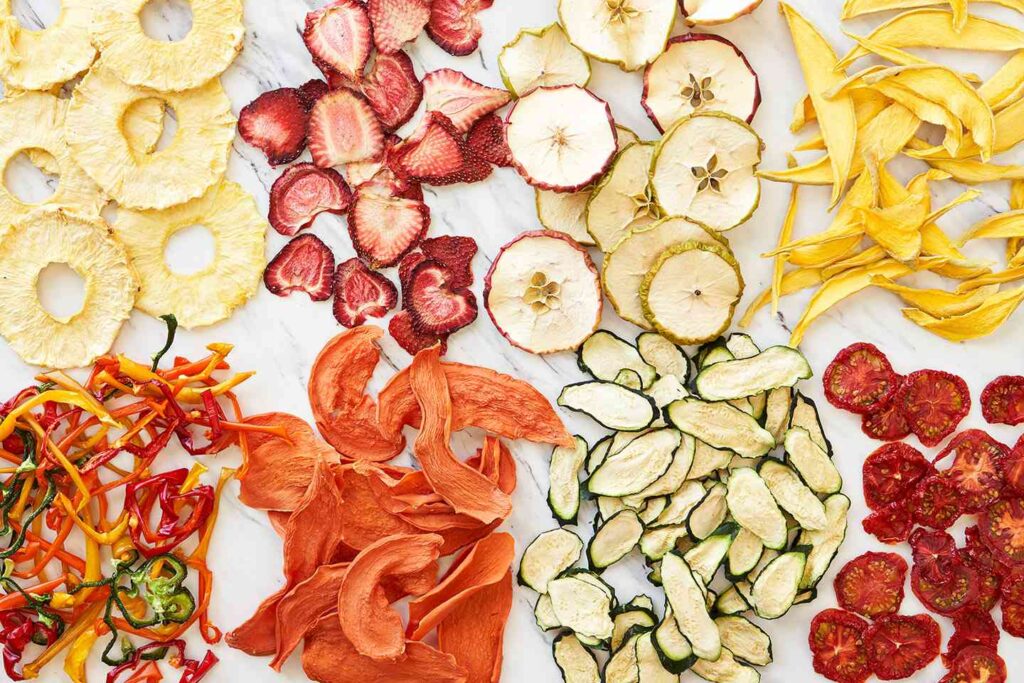
Drying fruit and vegetables is a simple yet effective way to preserve their nutritional value, flavor, and aroma. Whether you’re looking to reduce food waste, save money on fresh produce, or create healthy snacks for yourself or your loved ones, this article will guide you through the process of drying fruit and vegetables like a pro.
Understanding the Benefits of Drying Fruit and Vegetables
Drying fruit and vegetables has several benefits. For one, it allows you to preserve their nutritional value by removing the water content that can lead to spoilage and decay. Additionally, dried fruits and vegetables are easier to store and transport, making them a convenient option for camping trips, emergency food supplies, or simply having healthy snacks on hand.
The Best Way to Dry Fruit and Vegetables
While there are several methods of drying fruit and vegetables, the most efficient way is using an electric dehydrator. Dehydrators can restore dried products in a uniform manner, without risking mold or contamination.
Natural Drying Methods: A Middle Ground
If you don’t plan to dry fruits and vegetables frequently, natural drying methods might be a more accessible option. Between the cost of buying an electric dehydrator and natural drying by sun or air, there’s a middle ground that involves drying fruit and vegetables in a traditional oven or microwave.
Electric Dehydrators: A Comprehensive Guide
In this section, we’ll explore the pros and cons of using an electric dehydrator for drying fruits and vegetables. We’ll also provide recommendations for choosing the right model.
Electric Dehydrator: Pros and Cons
- Pros: Complete and uniform drying achieved in just a few hours
- Cons: Initial cost of buying a new appliance
Drying in a Traditional Oven
Using a traditional oven to dry fruit and vegetables is another option. While it’s accessible, there are some drawbacks to consider.
Drying in a Traditional Oven: Pros and Cons
- Pros: Fruits and vegetables can be dried within a few hours
- Cons: High electricity consumption, risk of burning the product
Drying in a Microwave
Microwaving is another method, but it has its limitations.
Drying in a Microwave: Pros and Cons
- Pros: Short drying times
- Cons: Difficult to handle and risk of non-uniform drying
Natural Drying: A Zero-Cost Option
Natural drying involves more time and effort, but it’s a zero-cost option that can be just as effective.
Natural Drying: Pros and Cons
- Pros: Zero cost and uniform drying when done carefully
- Cons: Long drying times, more manual labor, and risk of mold
How to Dry Fruits and Vegetables Naturally
If you decide to try natural drying, here’s what you need to know.
Natural Drying Equipment and Instructions
To dry fruits and vegetables naturally, you’ll need a mesh sieve with small holes or a screened-in zanzibar. The necessary steps involve covering and storing the food in a dry place during evening hours and morning.
How Dehydrators Work
Dehydrators work on a simple principle: a fan sucks in air from the environment, passes it through an electric resistance, and then over the vegetable being dried.
Key Features to Consider When Choosing a Good Dehydrator
When choosing a good dehydrator, consider these key features:
- Structure: Models with overlapping grids or vertical airflow
- Dimensions: Capacity for drying 1-2 kg of food per cycle
- Power Consumption: Energy-efficient models that consume less than 250 W
- Temperature Regulation: More expensive models allow for temperature adjustments
- Timer: Convenient and recommended for automatic shutdown
Recommendations
Based on our research, we recommend choosing a versatile dehydrator that can dry both vegetables and fruit. The Severin OD 2940 is an excellent option with 5 detachable inserts that can dry fruits, vegetables, and herbs.
Common Mistakes to Avoid When Drying Fruit and Vegetables
To ensure optimal results when drying fruit and vegetables, there are a few common mistakes to avoid:
- Overcrowding: Make sure not to overcrowd your dehydrator or oven, as this can lead to uneven drying and contamination.
- Insufficient Air Circulation: Ensure good air circulation around the fruits and vegetables being dried to prevent mold and bacterial growth.
- Inadequate Temperature Control: Monitor temperature settings carefully to avoid over-drying or under-drying your fruit and vegetables.
Tips for Maintaining Your Dehydrator
To keep your dehydrator in top condition, follow these tips:
- Regular Cleaning: Clean your dehydrator regularly with a soft brush and mild soap to prevent bacterial growth.
- Dry Storage: Store your dried fruits and vegetables in a dry place to maintain their freshness and shelf life.
Conclusion
Drying fruit and vegetables is a simple yet effective way to preserve their nutritional value, flavor, and aroma. By choosing the right method and equipment, you can enjoy healthy snacks all year round.
Frequently Asked Questions (FAQs)
Q: How long does it take to dry fruits and vegetables using an electric dehydrator?
A: The time it takes to dry fruits and vegetables using an electric dehydrator depends on the model and temperature settings. Generally, you can expect drying times of 2-4 hours.
Q: What are the benefits of natural drying?
A: Natural drying has several benefits, including zero cost, uniform drying when done carefully, and the preservation of nutritional value.
Q: How do I dry fruits and vegetables naturally?
A: To dry fruits and vegetables naturally, you’ll need a mesh sieve with small holes or a screened-in zanzibar. Cover and store the food in a dry place during evening hours and morning.
Q: What are the key features to consider when choosing a good dehydrator?
A: When choosing a good dehydrator, consider structure, dimensions, power consumption, temperature regulation, and timer features as well.
Q: Can I use a traditional oven to dry fruits and vegetables?
A: Yes, you can use a traditional oven to dry fruits and vegetables. However, there are some drawbacks to consider, including high electricity consumption and risk of burning the product.
Q: How do I choose a versatile dehydrator that can dry both vegetables and fruit?
A: When choosing a versatile dehydrator, look for models with overlapping grids or vertical airflow and capacity for drying 1-2 kg of food per cycle. Consider power consumption, temperature regulation, and timer features as well.


