
Understanding the Importance of Water Conservation
Water conservation is a noble and wise decision that not only saves money but also safeguards our planet’s precious resources. By adopting efficient water management practices, we can significantly reduce the risk of flooding and ensure a healthier environment for everyone.
In recent years, the world has been facing a severe water crisis. The increasing population, climate change, and pollution have put a strain on our planet’s freshwater resources. It is estimated that by 2025, more than half of the world’s population will live in water-scarce areas, leading to food insecurity, economic instability, and social unrest.
The Reality of Water Waste: A Quotidian Problem
Water waste is an all-too-common issue in our daily lives. Even the most attentive consumers may unknowingly squander water in their homes and gardens. The consequences of this waste are far-reaching, with devastating impacts on our ecosystem. However, by implementing a few simple rules, we can mitigate these effects.
For instance, a single dripping faucet can waste up to 20 gallons of water per day, which translates to over 7,000 gallons per year. This may seem like a small amount, but the cumulative effect is significant and can have severe consequences on our environment.
A Brief Overview of Earth’s Water Resources
Our planet’s water resources are finite, and it’s essential to understand their composition. Approximately 97% of the Earth’s water is seawater, while only 1% is freshwater, with the majority being groundwater. The remaining 2% is comprised of ice caps, glaciers, and polar ice sheets.
The global distribution of freshwater is uneven, with some regions receiving up to 40% of their water from rainfall, while others rely on distant sources of water for their consumption. This makes it essential to conserve water in all its forms to ensure a sustainable future.
Tips for Conserving Water at Home
Installing a Pressure Regulator
By installing a pressure regulator on your incoming water pipe, you can significantly reduce water waste. This device helps regulate water pressure, saving up to 20% of water consumption while ensuring that your appliances function properly.
For instance, a showerhead with an aerator can save up to 5 gallons of water per minute compared to a standard showerhead. Similarly, installing a low-flow toilet can reduce water usage by up to 30%.
Temperature Control: Balancing Efficiency and Comfort
Properly regulating the temperature of your hot water system is crucial for efficient water usage. Aim for a maximum temperature of 48°C (120°F) to avoid wasting energy and reducing water consumption.
Why Proper Water Temperature Matters?
Using too much hot water can lead to inefficient heating, increased energy bills, and wasted resources. By controlling the temperature of your hot water system, you can save money on your utility bills while also reducing your carbon footprint.
Antiperdita Systems: Protecting Your Home from Flooding
An antiperdita system protects your home from flooding by automatically shutting off the water supply in case of leaks or losses. This innovative technology ensures that you’re not wasting a single drop of water.
For example, an anteperdita system can detect a leak in your pipe and shut off the water supply to prevent further damage. This is especially important for homes with aging pipes, which are prone to leaks and bursting.
Monitoring Your Water Consumption
Regularly monitoring your water consumption can help you identify areas for improvement and make adjustments accordingly. Consider investing in a digital flow meter to track your usage and make informed decisions about your water-saving strategies.
Why Monitoring Matters?
Monitoring your water consumption helps you detect any hidden leaks or inefficiencies in your plumbing system, allowing you to address them promptly before they cause significant damage.
Gardening: A Hidden Source of Water Waste
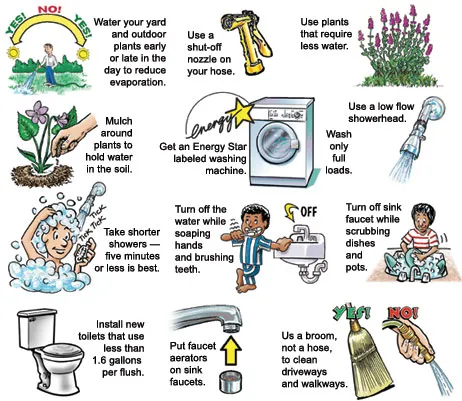
Landscape watering is often overlooked as a significant source of water waste. However, by implementing efficient irrigation systems and adopting smart gardening practices, you can significantly reduce your water consumption without sacrificing the beauty of your outdoor space.
Smart Gardening Practices for Water Conservation
- Drip Irrigation: Drip irrigation delivers water directly to the roots of plants, reducing evaporation and runoff.
- Mulching: Mulch helps retain moisture in the soil, reducing the need for frequent watering.
- Native Plants: Choosing native plants that are adapted to your local climate reduces the need for irrigation.
Preventing Pollution: Protecting Our Watersheds
Polluting our watersheds with chemicals like pesticides, fertilizers, and household cleaning products can have devastating consequences. By limiting these substances and adopting eco-friendly alternatives, we can safeguard our planet’s precious resources for future generations.
Why Pollution Matters?
Water pollution not only harms aquatic life but also contaminates drinking water sources, affecting human health and the economy.
Tackling Clogged Pipes: A Chemical-Free Solution
When dealing with clogged pipes, it’s essential to opt for chemical-free solutions to avoid contaminating your water supply. Instead, consider hiring a professional plumber who uses environmentally friendly methods to clear blockages.
Why Chemical-Free Matters?
Chemical-based clearing agents can harm aquatic life and contaminate drinking water sources. By choosing eco-friendly alternatives, we can protect our environment while also ensuring the health of our communities.
Conclusion: Join the Water Conservation Movement
Water conservation is an urgent matter that requires our collective attention. By embracing these simple yet effective strategies, we can make a significant impact on our planet’s future. Whether you’re looking to save money or protect the environment, water conservation is a noble pursuit that benefits everyone.
Frequently Asked Questions (FAQs)
Q: What are some common causes of water waste in homes?
A: Common causes of water waste include leaky faucets, inefficient appliances, and poor irrigation systems. These issues can be addressed by implementing simple water-saving measures.
Q: How can I reduce my water consumption at home?
A: Implementing a pressure regulator, regulating hot water temperature, using antiperdita systems, monitoring your consumption, and adopting smart gardening practices are all effective ways to reduce water waste at home. By making these changes, you can significantly reduce your water consumption while also saving money on utility bills.
Q: What are some eco-friendly alternatives to chemical-based cleaning products?
A: Natural and biodegradable cleaning agents like baking soda and vinegar can be used as effective substitutes for harsh chemicals. These alternatives not only save the environment but also provide a healthier alternative to traditional cleaning products.
Q: How can I protect my planet’s watersheds from pollution?
A: Limiting the use of pesticides, fertilizers, and household chemicals, and adopting organic gardening practices are essential steps towards safeguarding our watersheds. By making these changes, we can prevent water pollution while also promoting sustainable agriculture practices.
Q: What is the most effective way to tackle clogged pipes?
A: Hiring a professional plumber who uses chemical-free methods is the best course of action when dealing with clogged pipes. This ensures that your plumbing system is cleaned without harming the environment or contaminating drinking water sources.
Q: Can I make a difference in water conservation by making small changes in my daily life?
A: Absolutely! Every small change counts, and collective efforts can lead to significant positive impacts on our planet’s resources. By embracing simple yet effective strategies for water conservation, we can create a healthier future for ourselves and the environment.


