
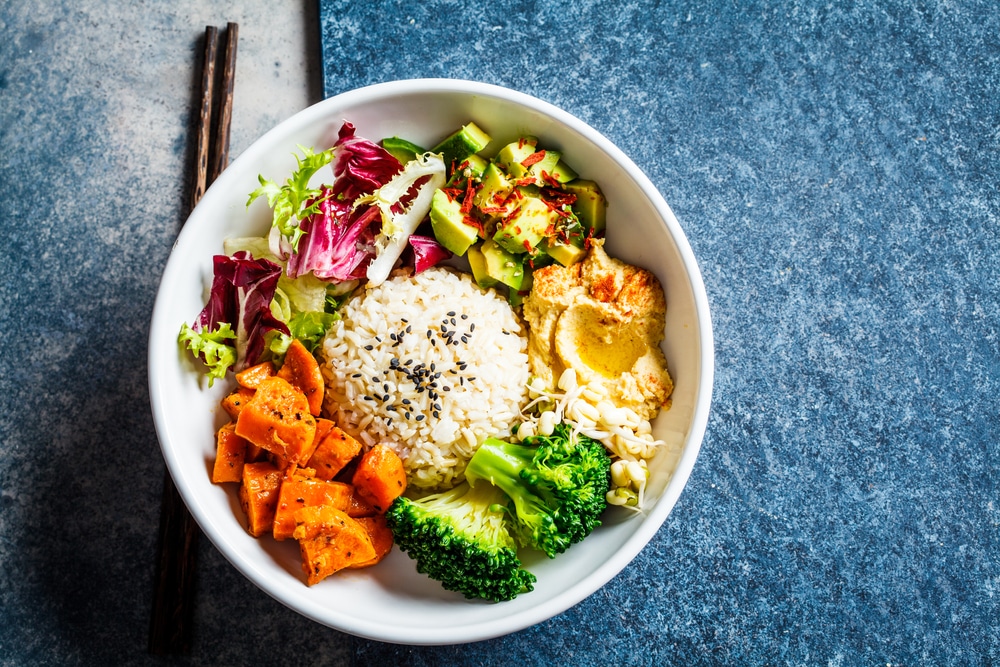
Introduction to Macrobiotic Cuisine
As we previously discussed, what is macrobiotic cuisine, its principles, and its origins? Today, we’ll focus on the so-called “macrobiotic recipes.” These recipes may seem simple, but the truth is that they’re actually more complex than people think. The key to a healthy dish lies not only in the ingredients but also in their preparation.
The Ingredients and the Italian Gap
Macrobiotic cuisine’s core ingredients are simple and genuine. However, one misconception arises from its Eastern origins. Many people believe that macrobiotic cooking involves exotic ingredients like algae or azuki bean sprouts imported from abroad. Nothing could be further from the truth!
In reality, the key to a healthy dish lies in using locally sourced legumes, vegetables, and whole grains. While azuki beans are now cultivated in Italy, the fundamental principle of macrobiotic cuisine is not about specific ingredients but rather their nutritional value, from cultivation to preparation.
Seasonal Cooking
Another crucial aspect of macrobiotic cuisine is cooking according to the seasons. In an effort to preserve seasonal produce, the industrial food industry has standardized most legumes and vegetables, making them available year-round in cans or stores. This practice doesn’t hold true for locally sourced products prepared using traditional methods.
The Importance of Locally Sourced Ingredients
One of the core principles of macrobiotic cuisine is to use locally sourced ingredients. By doing so, we can ensure that our food is not only nutritious but also sustainable and environmentally friendly. Here are some benefits of using locally sourced ingredients:
- Reduced carbon footprint: By choosing locally grown produce, we can reduce the carbon emissions associated with transportation.
- Increased nutrient content: Locally grown produce tends to have higher nutrient content due to the shorter distance from farm to table.
- Supporting local farmers: Buying locally sourced ingredients directly supports local farmers and contributes to the local economy.
Simple Macrobiotic Recipe: Risotto Funghi e Fagioli
Here’s a simple recipe that embodies these principles:
Ingredients:
* 200g of Italian brown rice
* 100g of azuki beans from Italy
* Mixed wild forest mushrooms (preferably locally foraged)
* 1 small onion
* 3 tablespoons of homemade soy sauce from Italy
* 1/2 teaspoon of Japanese rice miso (Genmai)
* Fresh mint leaves
* Extra-virgin olive oil
* Bolling water in a ratio of three to one with the volume of the rice
Step-by-Step Instructions
- Soak the azuki beans for approximately 5 hours.
- Soak the brown rice for about 3 hours.
- Sauté the finely chopped onion in olive oil until it’s translucent.
- Add the wild mushrooms and cook for a few minutes, stirring occasionally.
- Combine the rice with the mushroom mixture, stirring frequently and adding water as needed to prevent drying out.
- Mix in 2 tablespoons of soy sauce and cover everything.
- Allow the risotto to simmer for about 50 minutes over low heat.
Optional Side Dish: Steamed Azuki Beans
Steam the azuki beans separately while cooking the rice. Once both are done, combine them into a single dish and add the miso paste and remaining soy sauce.
Other Popular Macrobiotic Dishes
- Miso Soup with Green Onion, Shrimp, and Ginger: A classic comfort food that embodies macrobiotics’ focus on local ingredients.
- Baked Squash with Rosemary, Sage, and Almond Slices: A hearty winter dish showcasing the richness of locally sourced vegetables.
The Benefits of Macrobiotic Cuisine
Incorporating macrobiotic cuisine into our daily lives can have numerous health benefits. Here are some of the advantages of adopting this way of eating:
- Improved digestion: The emphasis on whole grains, legumes, and fermented foods in macrobiotic cuisine helps promote a healthy gut microbiome.
- Increased energy levels: The nutrient-dense ingredients used in macrobiotic cooking provide sustained energy throughout the day.
- Enhanced immune function: The antioxidant-rich foods incorporated into macrobiotic dishes help boost the immune system.
Conclusion
Macrobiotic cuisine offers a simple yet profound approach to nourishing our bodies. By focusing on whole grains, seasonal produce, and traditional cooking methods, we can create delicious and nutritious meals that bring us closer to the natural world. Whether you’re a seasoned macrobiotic chef or just starting your culinary journey, remember that the key to healthy eating lies not only in the ingredients but also in their preparation.
Frequently Asked Questions
- What is the primary focus of macrobiotic cuisine?
- Macrobiotic cuisine focuses on whole grains, seasonal produce, and traditional cooking methods.
- How does macrobiotic cuisine differ from other diets?
- Macrobiotic cuisine differs in its emphasis on locally sourced ingredients and traditional cooking methods.
- Can I still enjoy microgreens or exotic ingredients in a macrobiotic diet?
- While it’s not necessary, incorporating locally grown, seasonal produce can add variety to your diet while adhering to the principles of macrobiotic cuisine.
- Is it possible to make macrobiotic recipes more accessible for those with dietary restrictions?
- Yes; using locally sourced ingredients and traditional cooking methods can help create healthier, more balanced dishes for everyone.
- What are some essential ingredients in a typical macrobiotic dish?
- Legumes, vegetables, whole grains, and fermented foods like miso paste play key roles in macrobiotic cuisine.
- Can I make my own soy sauce or miso paste at home?
- Yes; homemade versions can be made using simple recipes and locally sourced ingredients.
- How can I incorporate more seasonal produce into my diet?
- Visit local farmers’ markets, join a community-supported agriculture (CSA) program, or simply ask your grocery store about seasonal offerings.
- What are some tips for preparing perfect steamed vegetables?
- Use minimal water, steam for the right amount of time, and serve immediately to preserve nutrients.
Incorporating these simple yet profound principles into our daily lives can lead us to a healthier, more balanced way of living.


