
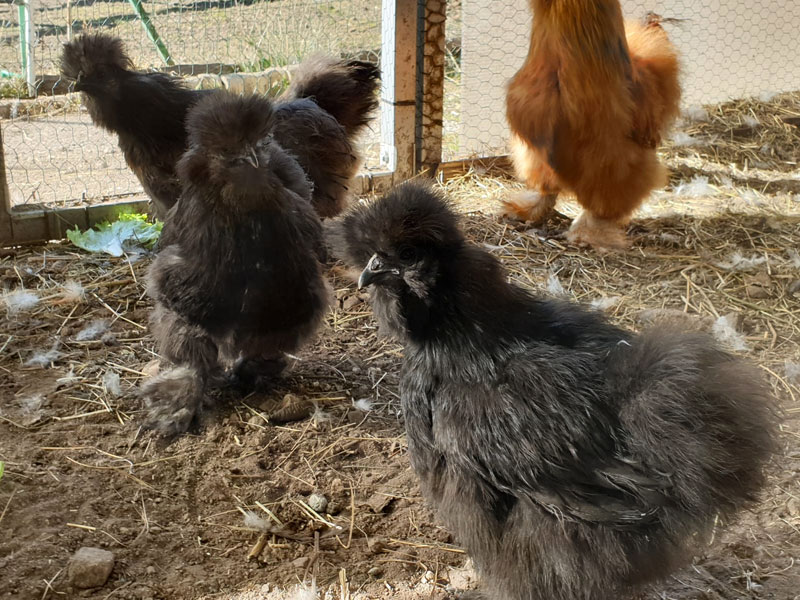
As an avid poultry enthusiast, you may have heard of the Galline Moroseta, a unique and captivating chicken breed from Italy. With its striking appearance, charming personality, and rich history, it’s no wonder why this breed has captured the hearts of many. In this article, we’ll delve into the world of Galline Moroseta, exploring its origins, characteristics, care, and utilization.
Origins and History
The exact origin of Galline Moroseta is shrouded in mystery, with various sources attributing its creation to China or Southeast Asia. However, it’s clear that this breed has been prized for centuries for its exceptional qualities. Over time, the Moroseta has undergone significant transformations, particularly regarding its plumage color and body shape.
One theory suggests that the Moroseta was first introduced to Italy by Italian traders who had traveled extensively throughout Asia and brought back exotic birds with them. These early introductions likely sparked a fascination among Italian breeders, leading to the development of this remarkable breed.
Characteristics
Galline Moroseta is a stunning example of Italian poultry artistry, boasting an iridescent black plumage with striking green and purple undertones. Its slender yet sturdy build makes it a delight to behold. With a characteristic “pon-pon” on its forehead, this breed exudes an irresistible charm.
Morphology
The Moroseta’s body is sleek and elongated, with a broad, deep chest. Its head is small, featuring a short, strong beak and dark eyes. The legs are compact, with robust feet and sharp claws. One distinctive feature is the blue-colored lobes of its ears.
Colorations
While black plumage is most characteristic of the Moroseta, this breed also comes in an array of other colors, including white, gray, red, golden, brown, and cream. The beak and eyes are dark, while the lobes of its ears display a striking blue hue.
Care and Management
Galline Moroseta makes an excellent choice for those new to backyard poultry keeping. They are relatively low-maintenance, requiring only basic care and attention. Regular cleaning of their enclosure is essential to prevent disease and parasite buildup. Adequate ventilation and protection from the elements are also crucial.
In addition to providing a clean and well-ventilated environment, it’s essential to offer your Moroseta a balanced diet that includes a mix of grains, seeds, and vegetables. Fresh water must always be available to prevent dehydration.
Feeding and Nutrition
A balanced diet is vital for the Moroseta’s health and productivity. A mix of grains, seeds, and vegetables should be provided, along with adequate protein sources like eggs or fish meal. Some recommended foods include:
- Oats and barley
- Sunflower seeds and pumpkin seeds
- Leafy greens like kale and spinach
- Fresh fruits like apples and berries
Breeding and Production
While Galline Moroseta are prized for their ornamental qualities, they also produce eggs and meat. While egg production is lower than other breeds, a single Moroseta can lay around 120-150 eggs per year. Meat production is limited due to the breed’s relatively small size, with an average weight of 1.5-2 kg.
To ensure optimal egg production, it’s essential to provide your Morosetas with adequate light and space. A minimum of 12 hours of daylight is recommended, along with a spacious enclosure that allows for easy movement and exercise.
Breeding Strategies
If you’re interested in breeding Galline Moroseta for their eggs or meat, there are several strategies to consider:
- Linebreeding: This involves mating birds with closely related ancestry to emphasize desirable traits.
- Selection breeding: This approach focuses on selecting individuals with specific characteristics, such as egg-laying ability or meat quality.
- Crossing breeds: By crossing the Moroseta with other breeds, you can create new hybrids that combine the best qualities of both species.
Conclusion
Galline Moroseta is an extraordinary chicken breed, offering a unique blend of beauty, charm, and practicality. Whether you’re looking for a show-stopping ornamental or a friendly companion, this Italian bird has something to offer. By understanding its history, characteristics, care requirements, and production capabilities, you’ll be better equipped to make the most of your Galline Moroseta experience.
Frequently Asked Questions
Q: What is the origin of Galline Moroseta?
A: The exact origin of Galline Moroseta is unclear, with various sources attributing its creation to China or Southeast Asia.
Q: How big does a Moroseta get?
A: On average, a Moroseta weighs around 1.5-2 kg and measures approximately 50-60 cm in height.
Q: What kind of plumage coloration can I expect from a Moroseta?
A: While black is the most characteristic plumage color, Morosetas also come in various other colors, including white, gray, red, golden, brown, and cream.
Q: How do I care for my Moroseta’s enclosure?
A: Regular cleaning of the enclosure is crucial to prevent disease and parasite buildup. Adequate ventilation and protection from the elements are also essential.
Q: Can I use Morosetas for egg production?
A: While not as prolific as other breeds, a single Moroseta can lay around 120-150 eggs per year.
Q: Is it possible to breed Morosetas for meat production?
A: Due to their relatively small size, Morosetas are not well-suited for large-scale meat production. However, they do produce high-quality meat when raised on a balanced diet and proper care.
Q: Are there any specific health concerns I should be aware of with Moroseta breeding?
A: As with all chicken breeds, it’s essential to monitor your Morosetas’ health closely, watching for signs of disease or parasite infestation. Regular vaccinations and parasite control measures can help prevent issues.
Q: Can I keep Morosetas in a small space?
A: While Morosetas are relatively low-maintenance, they still require adequate space to roam and exercise. A minimum of 10-15 square feet per bird is recommended for optimal health and well-being.
Q: How long do Morosetas live?
A: With proper care and management, Morosetas can live up to 8-10 years in captivity.
Additional Resources
If you’re interested in learning more about Galline Moroseta or would like to connect with other breeders, there are several resources available:
- The Italian Chicken Breeders Association (Associazione Caccia Italiana): This organization provides information on various Italian chicken breeds, including the Moroseta.
- The American Poultry Association (APA): While not exclusively focused on Italian breeds, the APA offers a wealth of information on chicken breeding and care.
- Online forums and social media groups: Joining online communities dedicated to poultry keeping can provide valuable insights and connections with other breeders.
By exploring these resources and gaining a deeper understanding of Galline Moroseta, you’ll be better equipped to appreciate the unique qualities and charms of this extraordinary breed.


