
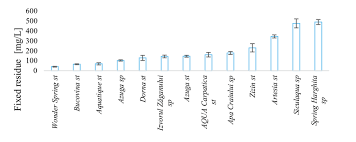
Water is essential for our health, but have you ever stopped to think about what makes it “good” water? The answer lies in the concept of fixed residue (RF), a measure of the amount of dissolved salts in water. In this article, we’ll delve into the world of RF, its importance, and how to choose the right water for your needs.
What is Fixed Residue in Water?
Fixed residue refers to the weight of dissolved salts in water after it has been filtered and evaporated at 180°C. This process ensures that all water molecules are removed, including those that might be attached to minerals or other compounds. The resulting RF value represents the concentration of these dissolved salts.
Types of Salts Present in Water
There are several types of salts present in water, some of which are essential for our health while others can have negative effects. Some common salt types include:
- Idrati (inorganic): These salts contain water molecules and can be beneficial for our bodies.
- Carbonates: These salts are commonly found in mineral water and can help with digestion.
- Sulfates: While sulfates can have negative effects, they also play a role in various biological processes.
How to Interpret the Fixed Residue Value
The fixed residue value is a crucial factor when choosing the right water. Here’s how it works:
- Low RF values (less than 50 mg/L) indicate water that is relatively light and may not be suitable for everyone.
- Moderate RF values (between 50-1500 mg/L) suggest water with a balanced level of minerals, making it suitable for everyday consumption.
- High RF values (above 1500 mg/L) indicate water that is more concentrated, potentially beneficial but also requiring careful consideration.
Choosing the Right Water Based on Fixed Residue
Not all waters are created equal. Different types of water cater to specific needs and requirements:
- Oligomineral water: With an RF value below 50 mg/L, these waters are suitable for everyday consumption, especially for those with sensitive stomachs or kidney problems.
- Bicarbonated water: Rich in bicarbonate (above 600 mg/L), this type of water is beneficial for digestive issues and acid reflux.
- Acqua effervescente naturale: With carbon dioxide content above 250 mg/L, these waters are not suitable for everyone, particularly those with meteorism or acid gastritis.
Residue Fisso in Acque Minerali: Elenco
When shopping for mineral water, it’s essential to check the fixed residue value:
- Vitasnella: Oligomineral water with an RF value of 390 mg/L.
- Lauretana: Very light water with a low RF value of only 14 mg/L, suitable for promoting diuresis.
- Sant’Anna: Extremely lightweight, with a barely detectable RF value (22 mg/L), ideal for preparing baby food.
- Rocchetta: Oligomineral natural water with a low RF value (181.6 mg/L).
- Panna: Another oligominerale water with an RF value of 141 mg/L.
Health Benefits and Risks of Fixed Residue in Water
The fixed residue in water can have both positive and negative effects on our health:
- Positive effects:
- Mineral balance: The right amount of dissolved salts in water can help maintain a healthy mineral balance in the body.
- Hydration: Drinking enough water with a balanced RF value is essential for proper hydration.
- Digestive health: Certain types of salt, such as bicarbonate, can be beneficial for digestive issues and acid reflux.
Potential Risks:
- Kidney problems: Excessive consumption of highly concentrated water (high RF values) may put a strain on the kidneys.
- Mineral imbalance: Drinking too much mineral water with high RF values may lead to an excessive intake of certain minerals, potentially causing imbalances.
Conclusion
Understanding fixed residue in water is crucial for making informed choices about the quality of your drinking water. By considering the types of salts present, interpreting RF values, and selecting waters tailored to individual needs, you can ensure a healthy and refreshing beverage experience.


