
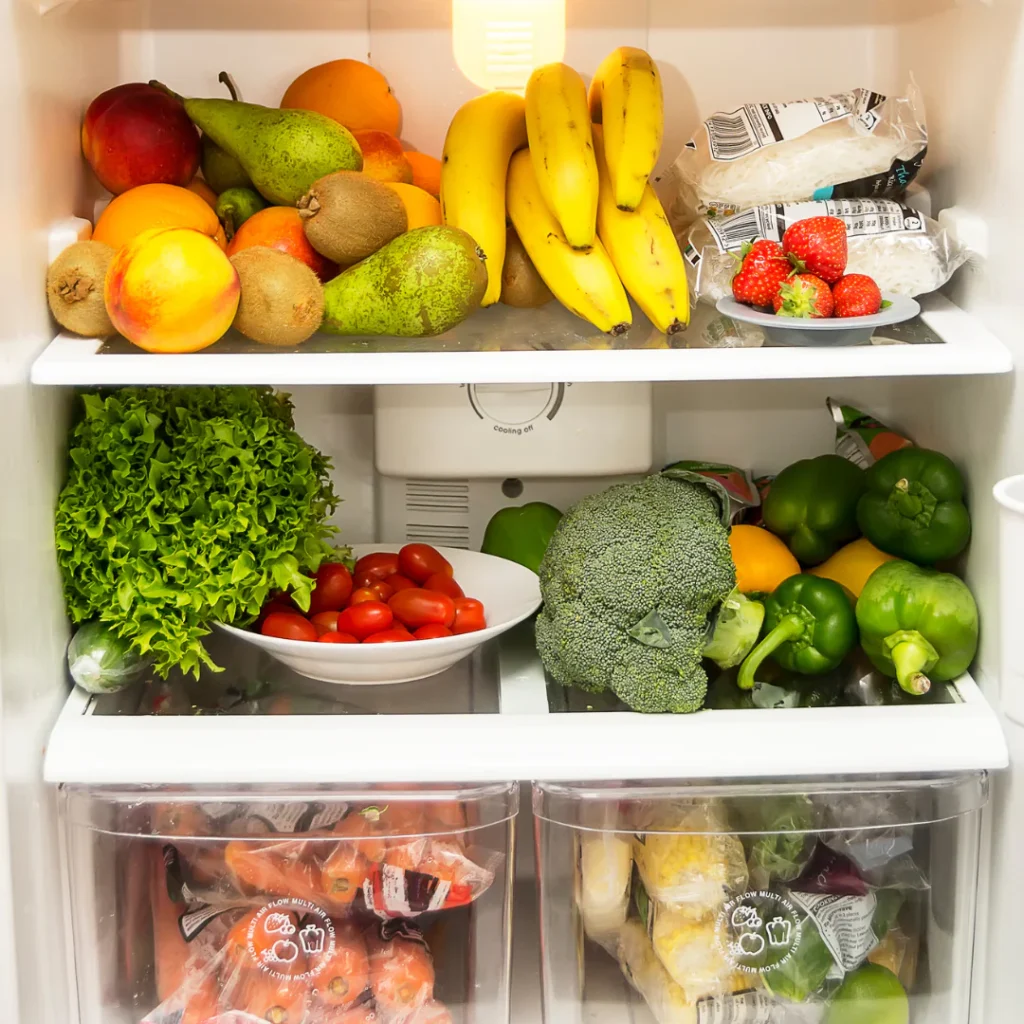
As we all know, a balanced diet is crucial to maintain our energy levels throughout the day. Fruits are an essential component of a healthy diet, providing vital vitamins A, C, and folate, as well as minerals like potassium. With their low calorie count, minimal fat content, and high antioxidant and fiber levels, fruits are a nutritional powerhouse that should be consumed regularly.
However, proper storage is equally important to preserve the quality and nutritional value of these fruits. Inadequate storage can lead to spoilage, flavor loss, and even foodborne illnesses. In this article, we’ll explore five essential tips for optimizing fruit storage, ensuring you get the most out of your produce while minimizing waste.
1. The Importance of Buying the Right Amount
When purchasing fruits, it’s easy to overbuy, especially when they’re on sale. But remember that buying too much can lead to spoilage and food waste. Consider your personal consumption habits and only buy what you can use before it spoils. This will not only reduce waste but also help you save money.
In fact, research suggests that one-third of the produce in the United States is lost or wasted during storage and transportation. By being mindful of your purchases, you can significantly reduce this amount and make a positive impact on the environment.
2. Proper Transportation and Storage
Proper transportation and storage of fruits are crucial to maintaining their quality. When transporting fresh produce, use paper bags or bamboo containers instead of plastic bags, which can trap heat and moisture. Store fruits in a cool, dry place until they’re ready for refrigeration.
For example, if you’re buying apples from an orchard, consider purchasing them at the peak ripeness and storing them in a cool, well-ventilated area to maintain their crispness and flavor.
3. Temperature Control: The Key to Perfect Storage
When it comes to storing fruits, temperature control is essential. In a static refrigerator, the coldest part is typically located at the bottom, with temperatures ranging from 2-4°C (36-39°F). Intermediate shelves usually have temperatures between 4-5°C (39-41°F), while top shelves reach up to 8°C (46°F).
The ideal storage temperature for fruits varies depending on the type, but generally falls between 10-15°C (50-59°F). For example, delicate fruits like strawberries and grapes should be stored at a cooler temperature of around 5-7°C (41-45°F), while firmer fruits like apples and pears can tolerate slightly warmer temperatures.
4. Reversing Fruit Spoilage: A Simple Trick
If you’ve purchased overripe or spoiled fruit, don’t worry! There are simple ways to reverse spoilage. For example, placing a banana or apple near the spoiled fruit can help accelerate its ripening process by releasing ethylene gas.
Another trick is to store fruits in a “cold and dark” environment, which helps slow down the ripening process. This method has been shown to increase the shelf life of fruits like bananas and apples by up to 50%.
5. Optimizing Storage Space with Conteniors
To optimize storage space in your refrigerator, consider using containers specifically designed for fruits. These containers allow for air circulation and prevent overcrowding, which can lead to reduced airflow and increased spoilage.
When choosing a container, look for one that is well-ventilated, has a non-slip bottom, and is easy to clean. Additionally, store fruits away from direct sunlight and heat sources, such as the oven or radiator, to maintain their freshness.
Bonus Tip: The Science Behind Fruit Ripening
Fruit ripening is a complex process that involves multiple biochemical reactions. Ethylene gas, produced naturally by fruits as they age, plays a crucial role in ripening. By understanding how ethylene gas affects fruit ripening, you can take steps to control the ripening process and extend the shelf life of your produce.
For example, storing fruits near other fruits that are not yet ripe can help trigger their own ripening process. This is known as the “self-pruning” effect, where one fruit’s ethylene gas production stimulates the ripening of adjacent fruits.
Frequently Asked Questions
Q: What types of fruits should not be stored in the refrigerator?
A: Fruits like bananas, apples, mangoes, papayas, and citrus fruits are best stored at room temperature or in a cool, dry place. Refrigeration can cause them to become mushy or develop off-flavors.
Q: How often should I check on my stored fruits?
A: Regularly inspect your stored fruits for signs of spoilage, such as mold, sliminess, or an off smell. This will help you catch any issues early and prevent further decay.
Q: Can I store fruits together in the same container?
A: While it’s tempting to pack fruits tightly, this can lead to reduced airflow and increased spoilage. Store fruits separately, allowing for air circulation between each fruit to maintain their freshness.
Q: How long can I store fruits in the refrigerator?
A: The shelf life of stored fruits depends on factors like type, storage conditions, and handling practices. Generally, most fruits can be stored for several days to a week or more when properly cared for.
Q: Can I wash my fruits before storing them?
A: Washing fruits before storage can lead to excessive moisture, causing spoilage and mold growth. Instead, gently rinse your fruits just before consumption, allowing excess moisture to evaporate.
Q: What’s the best way to keep my stored fruits fresh for longer?
A: Proper handling practices, such as regular inspections, gentle storage conditions, and minimal handling, can help extend the shelf life of your stored fruits.
By following these tips and understanding the importance of proper fruit storage, you’ll be able to enjoy a wider variety of delicious and nutritious fruits throughout the year. Happy storing!
Common Mistakes in Fruit Storage
When it comes to storing fruits, there are several common mistakes that can lead to spoilage and waste. Here are some examples:
- Not checking on stored fruits regularly
- Storing fruits too close together or in airtight containers
- Washing fruits before storage (leading to excessive moisture)
- Leaving fruits out at room temperature for extended periods
- Overusing ethylene-producing fruits like bananas
By avoiding these mistakes and following the tips outlined in this article, you can enjoy fresh, delicious fruits all year round.
Conclusion
Optimizing fruit storage is an essential step in maintaining the quality and nutritional value of your produce. By buying the right amount, transporting and storing fruits properly, controlling temperature, reversing spoilage, and optimizing storage space, you can ensure that your fruits remain fresh and delicious for a longer period.
Remember to stay informed about the latest research on fruit ripening and storage, and experiment with different techniques to find what works best for you. Happy storing!


