
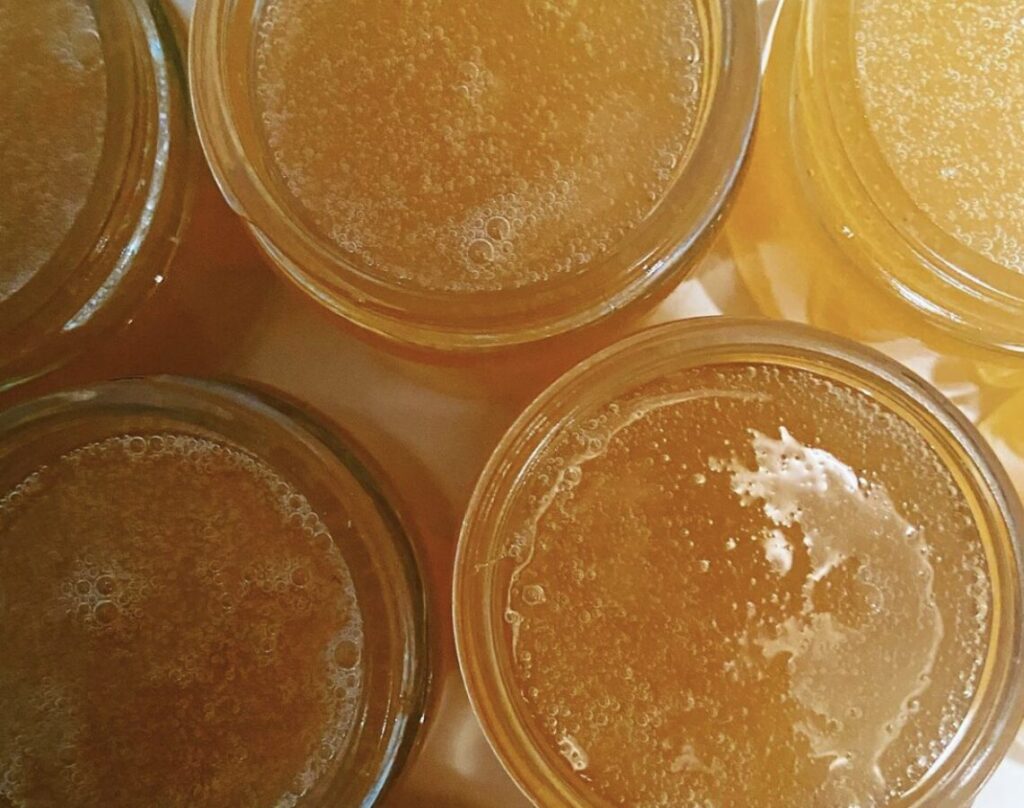
The Crystallization of Honey: What’s Really Going On?
As a honey enthusiast, you might have wondered why your favorite sweetener sometimes turns into a solid, crystallized mass. Some people might even view this as a negative aspect of honey, seeing it as something that’s gone wrong or unappetizing to the taste. But what if we told you that crystallization is actually a natural process that occurs in some types of honey? In fact, it’s a sign of quality and authenticity.
What is Crystallization?
To understand why honey crystallizes, we need to dive into the chemistry behind it. Honey is primarily composed of sugars, with water making up only about 14% of its content. This high sugar concentration creates a supersaturated solution that can lead to crystallization over time. Think of it like a recipe for disaster – when too many ingredients are mixed together in just the right proportions, you get a perfect storm of chemical reactions.
Why Does Honey Crystallize?
Now that we’ve explained what crystallization is, let’s talk about why honey undergoes this process. It all comes down to the type and amount of sugars present in the honey. Glucose and fructose are the two main types of sugars found in honey, with different solubility rates affecting the crystallization process. When glucose is present in higher amounts, it can lead to faster crystallization. On the other hand, honey with a higher fructose content tends to remain liquid for longer.
The Role of Acidity
Acidity also plays a crucial role in the crystallization process. Honey’s acidity level affects its solubility and ability to retain water. When acidity is too low, crystallization occurs more quickly. Conversely, when acidity is high, it slows down or even prevents crystallization altogether.
Factors Influencing Crystallization
While honey’s chemical composition is a significant factor in crystallization, other external factors can also influence the process. Temperature, for example, plays a crucial role in determining how quickly or slowly honey crystallizes. Warmer temperatures can slow down crystallization, while cooler temperatures speed it up.
How to Revive Crystallized Honey
So, what can you do if your honey has crystallized? Don’t worry; there are some simple methods to revive it:
- Store the honey in a cool, dry place (around 40°C/104°F) for a few weeks.
- Mix the honey with warm water and stir gently before re-adding it to your food or drink.
Types of Honey Crystallization
Not all crystallized honeys are created equal. Some types of honey tend to crystallize more quickly than others due to their unique chemical compositions. For instance, honey made from clover flowers tends to crystallize faster than honey produced from buckwheat flowers.
The Benefits of Unpasteurized Honey
Crystallization is often seen as a negative aspect of honey, but it’s actually a sign of quality and authenticity. Unpasteurized honey is less processed and retains more of its natural properties, including antibacterial and anti-inflammatory compounds. So, if your honey crystallizes, don’t worry – it might just be a sign that you have high-quality, raw honey on your hands.
The Art of Beekeeping
Beekeepers play a crucial role in the production of high-quality, raw honey. By carefully managing their bees and harvesting their honey at the right time, beekeepers can ensure that their products retain their natural properties and flavor. In fact, many beekeepers use traditional methods to produce honey, such as extracting it from beehives using manual equipment.
The Importance of Honey Bees
Honey bees are responsible for pollinating over 75% of the world’s crop species, including fruits, vegetables, and nuts. Without these busy insects, our food supply would be severely impacted. In addition to their role in pollination, honey bees also contribute to the health of ecosystems by maintaining the diversity of plant species.
The Impact of Climate Change on Honey Bees
Climate change is having a significant impact on honey bee populations worldwide. Warmer temperatures and changing weather patterns are altering the availability of nectar and pollen, making it harder for bees to survive. In addition, pesticides and other chemicals used in agriculture are also harming honey bees, further threatening their populations.
Conclusion
Crystallization is a natural process that occurs in some types of honey due to their unique chemical compositions. While it may seem like a negative aspect of honey, crystallization is actually a sign of quality and authenticity. By understanding the factors influencing crystallization and knowing how to revive crystallized honey, you can enjoy your favorite sweetener at its best.
Frequently Asked Questions
Q: What causes honey to crystallize?
A: Honey crystallizes due to its high sugar content, which creates a supersaturated solution that can lead to crystallization over time.
Q: Can all types of honey crystallize?
A: No, not all types of honey tend to crystallize at the same rate. Factors such as glucose and fructose content, acidity level, temperature, and storage conditions influence crystallization rates.
Q: Is it safe to consume crystallized honey?
A: Yes, crystallized honey is still edible and can be consumed safely. In fact, some people prefer it for its unique texture and flavor.
Q: Can I reverse crystallization in my honey?
A: Yes, you can try reviving crystallized honey by storing it in a cool, dry place or mixing it with warm water before re-adding it to your food or drink.
Q: Is pasteurized honey more processed than unpasteurized honey?
A: Pasteurization is a process that involves heating honey to kill off bacteria and extend its shelf life. While it can help preserve honey’s quality, it also destroys some of the natural compounds found in raw, unprocessed honey.
Q: Can crystallized honey affect my health?
A: There is no scientific evidence to suggest that crystallized honey has any negative effects on human health. In fact, many people believe that raw, unprocessed honey contains beneficial compounds that can aid in digestion and overall well-being.
Q: How do I choose the best honey for my needs?
A: When choosing a honey, consider factors such as its origin, production methods, and chemical composition. Look for high-quality, raw honeys produced by reputable beekeepers who follow sustainable practices.


