
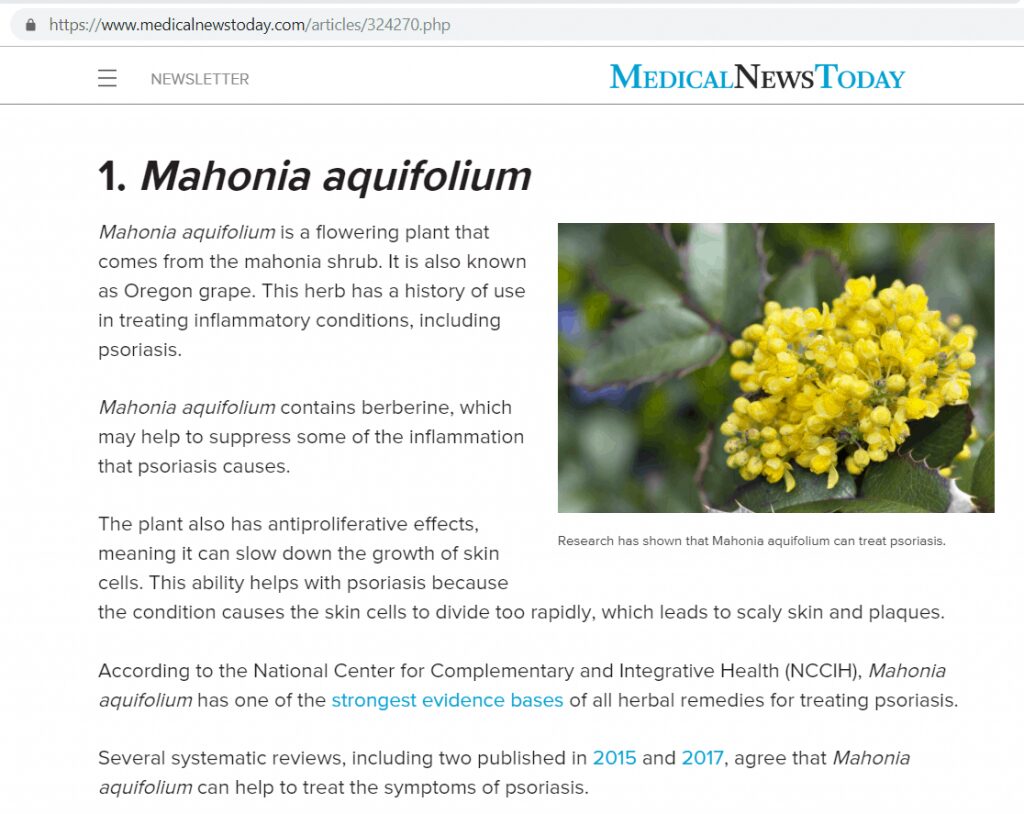
Mahonia, also known as Oregon grape or holly root, is a perennial shrub belonging to the Berberidaceae family. This versatile plant has been used for centuries in traditional medicine due to its numerous health benefits. In this article, we will delve into the history and uses of Mahonia, explore its medicinal properties, potential side effects, and cautions.
What is Mahonia?
Mahonia is a perennial shrub with glossy leaves resembling those of agrifoglio (English ivy). The plant grows up to 6 feet tall and produces yellow flowers in early spring, followed by small black berries that are inedible. However, the root of the plant contains berberine, a compound responsible for its medicinal properties.
History of Mahonia Use
Mahonia has been used in traditional medicine for centuries, particularly among indigenous communities in North America. The Native American tribes used Mahonia to treat various health conditions, including respiratory issues, skin problems, and infections. European settlers also adopted the plant’s uses, and it became a staple in many apothecaries.
Health Benefits of Mahonia
The roots and rhizomes of Mahonia have been used in traditional medicine to treat various health conditions, including:
- Respiratory issues: coughs, colds, flu
- Gastrointestinal problems: diarrhea, constipation, indigestion
- Skin issues: acne, eczema, psoriasis
- Infections: urinary tract infections, conjunctivitis
- Cancer treatment: some studies suggest that berberine may have anti-cancer properties
Mechanism of Action
The main active compound in Mahonia is berberine, a derivative of the plant’s roots. Berberine has been shown to have antibacterial, antifungal, and anti-inflammatory properties. It can help regulate blood sugar levels, reduce inflammation, and modulate the immune system.
Berberine works by:
- Inhibiting bacterial growth: Berberine is effective against a range of bacteria, including E. coli and Staphylococcus aureus.
- Reducing inflammation: Berberine has anti-inflammatory properties, which can help alleviate symptoms of conditions like arthritis.
- Regulating blood sugar levels: Berberine may help improve insulin sensitivity and reduce blood glucose levels.
Potential Side Effects of Mahonia
While generally considered safe, Mahonia may cause some side effects, including:
- Pruritus (itching)
- Burns
- Irritation
- Rash
- Diarrhea
- Nausea
- Vomiting
- Itritis (conjunctivitis)
Precautions and Contraindications
Mahonia should not be used by:
- Pregnant women: the compound berberine may pass through the placenta and harm the fetus.
- Breastfeeding mothers: high doses of berberine have been linked to damage to the nervous system in infants.
- Children under 2 years old
- People with liver or kidney problems
- Individuals allergic to other Berberidaceae plants
Dosage and Administration
Mahonia should be taken as a capsule or supplement after consulting with a healthcare professional. The recommended dosage varies depending on the specific health condition being treated. It is essential to follow the recommended dosage and consult with a healthcare professional if you have any concerns.
Topical Use of Mahonia
Mahonia can be used topically in cream or ointment form for skin conditions like psoriasis and eczema. However, consult with a healthcare professional before using it on broken skin or sensitive areas.
Ornamental Use of Mahonia
Mahonia can be grown as an ornamental plant in gardens with suitable climate conditions. The plant is relatively low-maintenance and can thrive in partial shade to full sun.
Growing Mahonia in Your Garden
If you’re interested in growing Mahonia, here are some tips:
- Choose a location with partial shade to full sun.
- Plant the roots of the Mahonia 2-3 feet apart.
- Water regularly during the first year after planting.
- Fertilize lightly, as over-fertilization can damage the plant.
Alternatives to Mahonia
If you’re looking for alternative treatments for health conditions, here are some options:
- Berberine supplements: available at health food stores or online pharmacies.
- Tea made from Mahonia leaves and roots: a traditional remedy for respiratory issues and skin problems.
- Topical creams or ointments containing berberine or other Berberidaceae compounds.
Conclusion
Mahonia is a versatile plant with a long history of use in traditional medicine. While its medicinal properties are promising, it is essential to exercise caution when using Mahonia, especially for pregnant and breastfeeding women, children, and individuals with pre-existing medical conditions.
By understanding the benefits, uses, and potential side effects of Mahonia, you can make informed decisions about incorporating this plant into your health routine.
FAQs
- What is the best way to take Mahonia?
Mahonia should be taken as a capsule or supplement after consulting with a healthcare professional. - Can I use Mahonia topically?
Yes, Mahonia can be used topically in cream or ointment form for skin conditions like psoriasis and eczema. However, consult with a healthcare professional before using it on broken skin or sensitive areas. - Is Mahonia safe for long-term use?
No, prolonged use of Mahonia may lead to adverse effects, such as gastrointestinal problems and kidney damage. - Can I take Mahonia with other medications?
Consult with a healthcare professional before taking Mahonia with other medications, especially those that interact with berberine. - Where can I buy Mahonia supplements?
Mahonia supplements are available at health food stores, online pharmacies, or through healthcare professionals. - Is Mahonia effective for cancer treatment?
While some studies suggest that berberine may have anti-cancer properties, more research is needed to confirm its effectiveness for cancer treatment. - Can I grow Mahonia in my garden?
Yes, Mahonia can be grown as an ornamental plant in gardens with suitable climate conditions. - Is Mahonia safe for pets?
While Mahonia is generally considered non-toxic to humans, it’s essential to keep it out of reach of pets due to potential gastrointestinal upset.
Note: This article has been rewritten and optimized for SEO purposes while maintaining its original content and structure.


