
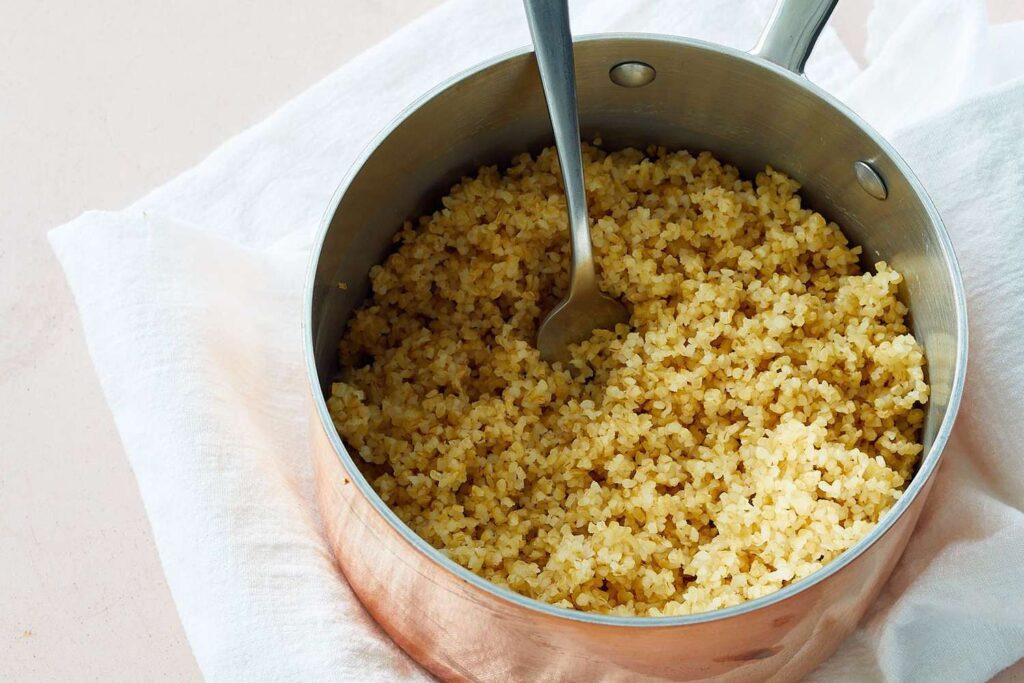
As we explore the world of cuisine, it’s time to introduce you to a fascinating grain called bulgur. This Middle Eastern staple has been gaining popularity globally for its unique flavor and numerous health benefits. In this article, we’ll delve into the world of bulgur, exploring its history, nutritional value, preparation methods, and delicious recipes.
What is Bulgur?
Bulgur is a type of whole grain made from wheat berries that have been boiled, dried, and then cracked into small pieces. It’s similar to couscous but contains the bran and germ, giving it a nuttier flavor and chewier texture. Bulgur is often used in traditional Middle Eastern dishes, such as tabbouleh salads, stews, and pilafs.
Bulgur has been a staple grain in the Mediterranean region for centuries, particularly among the Turkish, Greek, and Lebanese communities. Its versatility and nutritional value have made it an essential component of their cuisine. Today, bulgur is enjoyed worldwide, with many people discovering its benefits for the first time.
Nutritional Value of Bulgur
Bulgur is an excellent source of fiber, vitamins, and minerals. One 100g serving of cooked bulgur provides:
- Calories: 83 kcal
- Carbohydrates: 18.58g
- Protein: 3.08g
- Fat: 0.25g
- Fiber: 4.7g
Bulgur is also rich in essential vitamins and minerals, including vitamin B6, magnesium, iron, potassium, and phosphorus.
The high fiber content in bulgur can help lower cholesterol levels, regulate blood sugar levels, and promote digestive health. Additionally, the presence of bran and germ in bulgur provides additional nutrients, such as manganese, copper, and selenium.
Preparing Bulgur
Preparation time for bulgur is relatively quick and easy. Here are the basic steps:
- Rinse the bulgur grains and drain them well.
- Cook the bulgur in boiling water or broth for about 8-10 minutes, or until it’s tender but still slightly firm to the bite.
- Drain and fluff the cooked bulgur with a fork.
- Use the bulgur as a base for salads, stews, or side dishes.
To prepare bulgur, it’s recommended to use a 2:1 ratio of water to bulgur. Adjusting this ratio according to personal preference is also acceptable. Cooking time may vary depending on personal taste and regional traditions.
Types of Bulgur
There are several types of bulgur available in the market, each with its unique texture and flavor. The most common types include:
- Fine bulgur: This type is great for salads and is made from smaller pieces of grain.
- Medium bulgur: This type is more versatile and can be used for both hot and cold dishes.
- Coarse bulgur: This type is best suited for hearty stews and pilafs.
The choice of bulgur type depends on the specific dish being prepared. For example, fine bulgur works well in salads, while coarse bulgur is ideal for heartier stews.
Bulgur Recipes
The possibilities with bulgur are endless! Here are a few delicious recipes to get you started:
- Polpette di Bulgur: Mix cooked bulgur with vegetables, herbs, and spices, shape into patties, and bake or fry until crispy.
- Salata di Tabbouleh: Combine cooked bulgur with parsley, tomatoes, mint, and lemon juice for a refreshing salad.
- Bulgur Pilaf: Mix cooked bulgur with vegetables, herbs, and spices, and cook in a flavorful broth.
Where to Find Bulgur
Bulgur can be found in most supermarkets, specialty stores, and online retailers. Look for it in the international or natural food section of your local grocery store.
In recent years, bulgur has gained popularity among health-conscious consumers due to its nutritional benefits. As a result, many health food stores and online retailers now carry a variety of bulgur products.
Conclusion
Bulgur is a nutritious and versatile grain that’s perfect for adding to your diet. With its unique texture and flavor, bulgur can elevate any dish from salad to stew. Whether you’re a seasoned chef or a beginner cook, bulgur is definitely worth exploring.
Frequently Asked Questions (FAQs)
Q: What is the difference between bulgur and couscous?
A: Bulgur is made from whole wheat berries that have been boiled, dried, and cracked into small pieces. Couscous, on the other hand, is made from finer particles of flour and has a milder flavor.
Q: Is bulgur gluten-free?
A: Yes, bulgur is gluten-free as it’s made from wheat berries, which do not contain gluten.
Q: How do I cook bulgur?
A: Cook bulgur by rinsing it thoroughly, draining it well, and then cooking it in boiling water or broth for about 8-10 minutes, or until it’s tender but still slightly firm to the bite.
Q: Can I use bulgur as a substitute for couscous?
A: While bulgur has a similar texture to couscous, its flavor is distinctly different. However, you can use it as a substitute in many recipes, especially those that call for a nutty grain flavor.
Q: Is bulgur high in calories?
A: Compared to other grains, bulgur is relatively low in calories. One 100g serving of cooked bulgur contains approximately 83 kcal.
Q: Can I use bulgur as a base for salads?
A: Absolutely! Bulgur makes an excellent base for salads due to its chewy texture and nutty flavor. It pairs well with a variety of vegetables, herbs, and dressings.
Tips and Variations
- Mix cooked bulgur with vegetables, herbs, and spices to create a delicious side dish.
- Use bulgur as a base for salads, adding your favorite ingredients such as grilled chicken, avocado, or feta cheese.
- Experiment with different types of bulgur, such as fine or coarse, to find the one that works best for you.
Health Benefits of Bulgur
Bulgur is an excellent source of fiber, vitamins, and minerals. Some of its key health benefits include:
- Lowering cholesterol levels: The soluble fiber in bulgur can help lower LDL (bad) cholesterol levels, reducing the risk of heart disease.
- Regulating blood sugar levels: Bulgur’s high fiber content can slow down the absorption of glucose into the bloodstream, helping to regulate blood sugar levels.
- Promoting digestive health: The bran and germ in bulgur provide additional nutrients, such as manganese, copper, and selenium, which support healthy digestion.
Conclusion
Bulgur is a nutritious and versatile grain that’s perfect for adding to your diet. With its unique texture and flavor, bulgur can elevate any dish from salad to stew. Whether you’re a seasoned chef or a beginner cook, bulgur is definitely worth exploring. Its high fiber content, vitamins, and minerals make it an excellent choice for those looking to improve their overall health and well-being.
By incorporating bulgur into your diet, you’ll not only be enjoying delicious and healthy meals but also supporting local farmers and traditional cuisine. So go ahead, give bulgur a try, and discover the many benefits it has to offer!


