
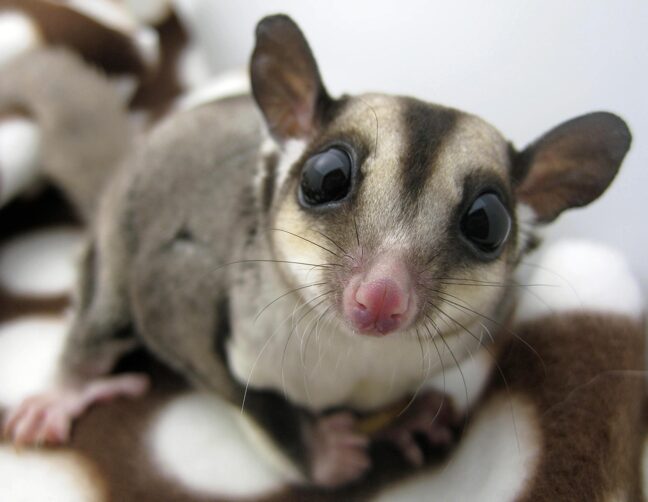
As a popular pet, sugar gliders have captured the hearts of many animal lovers. However, before bringing one home, it’s essential to understand their unique characteristics, habitat, diet, and care requirements. In this article, we’ll delve into the world of sugar gliders, exploring their origins, behavior, diet, and care requirements in depth.
What is a Sugar Glider?
The scientific name for sugar gliders is Petaurus breviceps, meaning “short-tailed acrobat.” This nickname refers to the animal’s ability to glide through the air, using its patagium – a membrane that stretches from its wrists to its ankles. With its large eyes, small head, and distinctive stripes, the sugar glider is an adorable creature that has won over many fans.
Habitat and Distribution
Sugar gliders are native to Australia, New Guinea, and Indonesia, where they inhabit tropical forests. They are nocturnal animals, meaning they’re active at night and rest during the day. This means that if you plan to keep a sugar glider as a pet, be prepared for their energetic nighttime antics.
Characteristics and Behavior
Sugar gliders are social creatures that thrive in pairs or groups. They’re known for their affectionate nature and enjoy human interaction. However, they can be sensitive to noise and may not appreciate loud sounds or sudden movements. As marsupials, sugar gliders have a unique way of communicating – using high-pitched squeaks and chirps.
One of the most interesting aspects of sugar glider behavior is their ability to form strong bonds with their owners. They’re known to recognize their owners’ voices and can even respond to their names. However, this also means that they require attention and interaction throughout the day, as they can become bored or anxious if left alone for extended periods.
Diet and Nutrition
In the wild, sugar gliders feed on small insects, fruits, and vegetation. As pets, they require a balanced diet that includes a mix of protein-rich foods (such as insects or fish) and fiber-rich foods (like hay or leafy greens). It’s essential to provide them with a calcium supplement to support their bone growth.
Sugar gliders have specific dietary needs that must be met in order to maintain their health and well-being. A diet that is deficient in protein, for example, can lead to weight loss and poor overall health. On the other hand, a diet that is too rich in sugar can cause digestive problems and other health issues.
Care Requirements
To keep sugar gliders happy and healthy, you’ll need to invest in a spacious enclosure that mimics their natural habitat. A large aviary or cage with plenty of room for climbing and playing is ideal. Provide plenty of toys, perches, and hiding places to keep your sugar glider stimulated.
In addition to providing a suitable environment, it’s essential to provide regular veterinary care for your sugar glider. This includes regular check-ups, vaccinations, and parasite control measures. Sugar gliders are also prone to certain health issues, such as respiratory problems and dental disease, so it’s crucial to work with a veterinarian who has experience caring for these animals.
Cost and Pricing
Sugar gliders are considered exotic pets and can be quite expensive. Prices vary depending on the breeder, age, and health of the animal. On average, you can expect to pay between $150 and $300 for a pet sugar glider, although this cost may not include the enclosure or other necessary equipment.
It’s also worth noting that owning a sugar glider can come with additional costs, such as food, veterinary care, and supplies. These costs can add up quickly, so it’s essential to factor them into your budget before bringing a sugar glider home.
Conclusion
Sugar gliders are fascinating animals that make unique and loving pets. With their large eyes, striking stripes, and acrobatic abilities, they’re sure to captivate any animal enthusiast. However, before bringing one home, be prepared for the challenges of caring for a nocturnal, social creature with specific dietary needs.
By understanding sugar glider behavior, diet, and care requirements, you can provide your pet with the best possible life. Whether you’re an experienced pet owner or just starting out, we hope this guide has been informative and helpful in your journey to becoming a sugar glider parent.
FAQs
- What do sugar gliders eat in the wild?
In the wild, sugar gliders feed on small insects, fruits, and vegetation. - How much space do sugar gliders need?
Sugar gliders require a spacious enclosure that mimics their natural habitat, with plenty of room for climbing and playing. - Are sugar gliders social animals?
Yes, sugar gliders are highly social creatures that thrive in pairs or groups. - Can I keep two sugar gliders together?
It’s recommended to keep two sugar gliders together, as they’re social animals that enjoy each other’s company. - How often should I clean my sugar glider’s cage?
It’s essential to clean your sugar glider’s cage regularly, at least once a week, to maintain their health and well-being. - Can sugar gliders be kept in small cages?
No, sugar gliders require large enclosures that provide plenty of space for climbing, playing, and exercising. - How long do sugar gliders live?
Sugar gliders can live up to 10-15 years in captivity, with proper care and attention. - Are sugar gliders easy to handle?
While sugar gliders are generally affectionate, they can be delicate and require gentle handling.
Additional Tips for Sugar Glider Owners
- Provide a balanced diet that includes a mix of protein-rich foods and fiber-rich foods.
- Ensure your sugar glider has plenty of space to climb and play.
- Keep their cage clean and well-ventilated.
- Handle them gently and with care.
- Spend quality time with your sugar glider each day.
- Be prepared for the costs associated with owning a sugar glider, including food, veterinary care, and supplies.
Sugar Glider Health Issues
While sugar gliders are generally healthy animals, they can be prone to certain health issues. These include:
- Respiratory problems: Sugar gliders are susceptible to respiratory infections, such as pneumonia.
- Dental disease: Sugar gliders’ teeth grow continuously, making them prone to dental problems if not properly cared for.
- Obesity: A diet that is too rich in sugar and fat can lead to obesity in sugar gliders.
- Skin problems: Sugar gliders’ skin can become irritated or infected if they’re exposed to certain allergens.
Common Breeding and Health Issues
Some common breeding and health issues that affect sugar gliders include:
- Genetic defects: Some breeders may have sugar gliders with genetic defects, such as misaligned eyes or malformed ears.
- Mite infestations: Sugar gliders can be prone to mite infestations, which can cause skin problems and discomfort.
- Respiratory infections: Sugar gliders are susceptible to respiratory infections, which can be fatal if left untreated.
Veterinary Care for Sugar Gliders
When it comes to veterinary care, sugar gliders require specialized attention. They need regular check-ups, vaccinations, and parasite control measures to maintain their health and well-being.
If you’re experiencing any issues with your sugar glider’s health or behavior, don’t hesitate to seek advice from a veterinarian who has experience caring for these animals. With the right care and attention, sugar gliders can thrive as pets and bring joy and companionship into our lives.


