
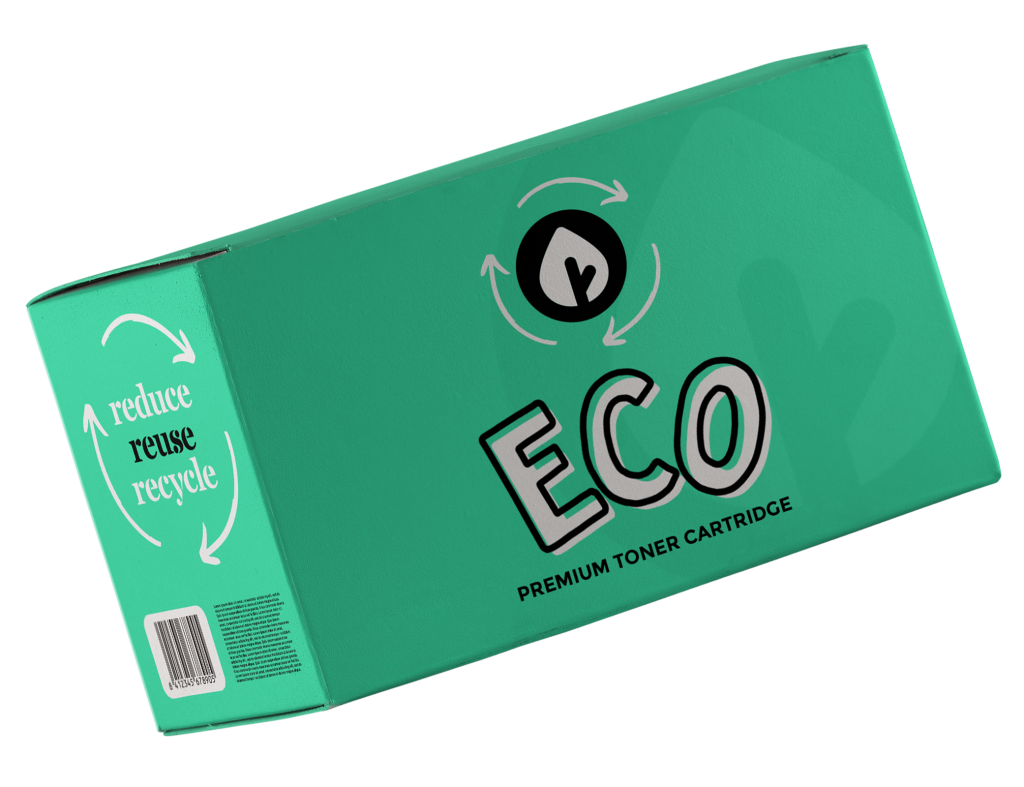
In today’s world, where the environment is facing numerous challenges, the need for sustainable and eco-friendly products has never been more pressing. One such product that has gained significant attention in recent years is sustainable toner from certified biomass. This innovative technology allows for a 30% reduction in CO2 emissions compared to traditional toners.
What is Sustainable Toner?
Sustainable toner is a type of printing solution made from certified biomass, which reduces carbon emissions and promotes environmentally friendly practices. This innovative technology has been developed by Kyocera Mita Document Solutions, a leading global provider of printing solutions. The company has partnered with the Roundtable on Sustainable Palm Oil (RSPO) to develop this new line of sustainable toners.
A New Standard in Printing
Kyocera Mita’s decision to adopt sustainable toner from certified biomass sets a new standard in the printing industry. By reducing CO2 emissions and promoting environmentally friendly practices, this innovative technology has the potential to make a significant impact on the environment.
The Importance of RSPO
The Roundtable on Sustainable Palm Oil (RSPO) was founded in 2004 by the World Wide Fund for Nature (WWF) with the goal of promoting sustainable palm oil production methods. The organization sets strict social and ecological criteria for palm oil production, ensuring that environmentally friendly practices are used to minimize harm to the environment.
Sustainable Palm Oil Production
RSPO-certified palm oil production involves careful planning and management to ensure that the resources used do not compromise the well-being of local communities or the environment. This approach not only reduces the environmental impact but also ensures that the products derived from palm oil are sustainably sourced.
Benefits of Sustainable Toner
So, what makes sustainable toner from certified biomass so special? The answer lies in its production process. The 30% of biomaterial used to make this toner is carbon-neutral, meaning no new CO2 emissions are released into the atmosphere. This innovative approach reduces the overall environmental impact of printing, making it a more sustainable choice.
Kyocera Mita’s Commitment
Kyocera Mita has committed to reducing its environmental footprint by adopting sustainable toners on some of its newest multifunction printers. These printers will be equipped with the BIOMASS toner technology, which is made from certified biomass and reduces CO2 emissions by 30%. This commitment demonstrates Kyocera Mita’s dedication to sustainability and reducing its impact on the environment.
The Future of Printing
As consumers become increasingly aware of their impact on the environment, companies will continue to adopt innovative solutions like sustainable toner. The future of printing is looking greener than ever, with technology that reduces carbon emissions and promotes environmentally friendly practices.
Key Facts About Sustainable Toner
- 30% reduction in CO2 emissions compared to traditional toners
- Made from certified biomass
- Carbon-neutral production process
- Adopted by Kyocera Mita on some of its newest multifunction printers
Conclusion
In conclusion, sustainable toner from certified biomass is a game-changer for the printing industry. By reducing CO2 emissions and promoting environmentally friendly practices, this innovative technology has the potential to make a significant impact on the environment.
Frequently Asked Questions (FAQs)
Q: What is sustainable toner made of?
A: Sustainable toner is made from certified biomass, which reduces CO2 emissions by 30%.
Q: How does RSPO certification work?
A: RSPO certification ensures that palm oil production methods meet strict social and ecological criteria.
Q: What are the benefits of sustainable toner?
A: Sustainable toner reduces CO2 emissions, promotes environmentally friendly practices, and is made from certified biomass.
Q: Which companies adopt sustainable toners?
A: Kyocera Mita has adopted sustainable toners on some of its newest multifunction printers.
Q: How can I reduce my environmental impact with printing?
A: Using sustainable toner from certified biomass is just one way to reduce your environmental impact with printing.
Q: What is the future of sustainable toner in the printing industry?
A: As consumers become increasingly aware of their impact on the environment, companies will continue to adopt innovative solutions like sustainable toner.
Real-World Applications of Sustainable Toner
Sustainable toner from certified biomass has numerous real-world applications across various industries. Here are a few examples:
- Multifunction Printers: Kyocera Mita’s decision to adopt sustainable toner on some of its newest multifunction printers sets a new standard in the printing industry.
- Packaging Printing: Sustainable toner can be used for packaging printing, reducing CO2 emissions and promoting environmentally friendly practices.
- Document Printing: Using sustainable toner for document printing reduces the environmental impact of traditional printing methods.
Case Study: Kyocera Mita’s Adoption of Sustainable Toner
Kyocera Mita has committed to reducing its environmental footprint by adopting sustainable toners on some of its newest multifunction printers. This decision sets a new standard in the printing industry and demonstrates Kyocera Mita’s dedication to sustainability.
Conclusion: A New Standard for Printing
In conclusion, sustainable toner from certified biomass is a game-changer for the printing industry. By reducing CO2 emissions and promoting environmentally friendly practices, this innovative technology has the potential to make a significant impact on the environment. As consumers become increasingly aware of their impact on the environment, companies will continue to adopt innovative solutions like sustainable toner.
Recommendations for Implementing Sustainable Toner
Here are some recommendations for implementing sustainable toner:
- Conduct an Environmental Impact Assessment: Conduct an environmental impact assessment to determine the potential benefits and drawbacks of using sustainable toner.
- Partner with a Supplier: Partner with a supplier that offers sustainable toners made from certified biomass.
- Educate Employees: Educate employees about the benefits of sustainable toner and its production process.
Conclusion: A Brighter Future for Printing
In conclusion, sustainable toner from certified biomass is a bright future for printing. By reducing CO2 emissions and promoting environmentally friendly practices, this innovative technology has the potential to make a significant impact on the environment. As consumers become increasingly aware of their impact on the environment, companies will continue to adopt innovative solutions like sustainable toner.
Final Thoughts
In conclusion, sustainable toner from certified biomass is an innovative solution that reduces CO2 emissions and promotes environmentally friendly practices. By adopting this technology, companies can reduce their environmental footprint and promote sustainability in the printing industry. As consumers become increasingly aware of their impact on the environment, it is essential to adopt innovative solutions like sustainable toner to create a brighter future for printing.
Glossary
- Carbon Emissions: The release of carbon dioxide into the atmosphere.
- Certified Biomass: Biomaterial used in sustainable toners that reduces CO2 emissions by 30%.
- Kyocera Mita Document Solutions: A leading global provider of printing solutions that has partnered with RSPO to develop sustainable toners.
- Multifunction Printer: A printer that can perform multiple functions, such as printing, scanning, and copying.
- Palm Oil Production: The production of palm oil, which is used in various products, including food and cosmetics.
- RSPO Certification: A certification program that ensures sustainable palm oil production methods meet strict social and ecological criteria.


