
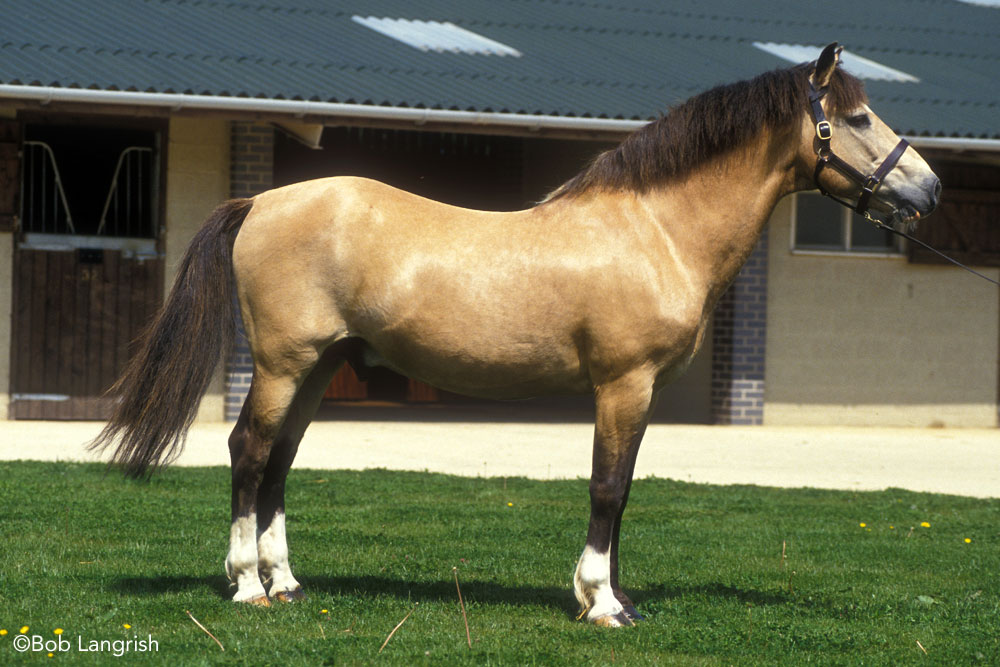
As we embark on this journey to explore the fascinating world of the New Forest pony, we find ourselves transported back in time to the last ice age, over 500,000 years ago. It was during this era that the first signs of the existence of this remarkable pony began to manifest. The icy grip of the glaciers had long since receded, leaving behind a landscape that would eventually become the New Forest in southern England.
The Origins of the New Forest Pony
The name “New Forest Pony” is a testament to its long-standing presence in the area, which dates back thousands of years. The earliest recorded evidence of the pony’s existence comes from the remains of bronze age horses found in the region. These ancient equines were likely the result of natural selection and genetic adaptation, allowing them to thrive in the harsh conditions of the prehistoric landscape.
As we delve deeper into the history of the New Forest pony, we find that it was during the Middle Ages that this breed truly began to take shape. The Norman Conquest of 1066 brought with it a influx of new horse breeds from across Europe, including the famous Andalusian and Arabian horses. These exotic animals were highly prized by the nobility for their strength, beauty, and versatility.
Over time, these imported horses interbred with the native ponies of the New Forest, resulting in the development of a unique breed that was well-suited to the rugged terrain and harsh climate of the area. The resulting pony was robust, intelligent, and adaptable, with a keen instinct for survival and a strong work ethic.
Genetic Connections: Unraveling the Mystery
Recent genetic studies have shed light on the pony’s ancestry, suggesting a connection to two ancient Celtic breeds: the Asturcón and the Pottok. While this theory is still being researched, it has sparked interest among equine enthusiasts and experts alike. The discovery of a genetic mutation in the CLCN1 gene has also led to efforts to identify and breed horses that are free from this debilitating condition.
One of the most significant findings in recent years was the identification of a unique genetic marker found only in New Forest ponies. This marker, known as the “New Forest pony gene,” is believed to have originated in the area over 2,000 years ago, when the first horses were introduced by the Celts. The presence of this gene has been confirmed through DNA analysis and breeding studies.
Characteristics: Size, Strength, and Versatility
New Forest ponies come in a range of sizes, with an average height of 120-145 cm at the withers. Despite their compact stature, they possess remarkable strength and agility, making them ideal for various roles such as riding lessons, driving, and carriage work.
Their size and strength are not just physical attributes; New Forest ponies also have a unique temperament that sets them apart from other breeds. They are known to be highly intelligent and willing to please, making them an excellent choice for riders of all experience levels. Their calm demeanor and gentle nature have earned them a reputation as one of the most popular breeds among horse enthusiasts.
The Temperament: Docile, Intelligent, and Adaptable
One of the most distinctive characteristics of the New Forest pony is its gentle nature. These ponies are known to be highly intelligent and willing to please, making them an excellent choice for riders of all experience levels. Their versatility has allowed them to thrive in various environments, from agricultural settings to equestrian competitions.
Their adaptability is perhaps one of their most impressive qualities. New Forest ponies can excel in a wide range of roles, from riding lessons to driving and carriage work. They are also known to be excellent companions, forming strong bonds with their owners and other animals in the herd.
Attitudes: Agricultural Work, Riding, and Companionship
Today, New Forest ponies are primarily used for riding lessons, particularly for children and nervous adults. They also excel in driving and carriage work, making them an excellent choice for those seeking a reliable and gentle mount. Additionally, their calm demeanor and affectionate nature have earned them a spot as loyal companions.
In fact, many people consider New Forest ponies to be the perfect family pet or companion animal. Their gentle nature and intelligence make them an excellent choice for families with children, while their calm demeanor ensures that they are always a soothing presence in the home.
Health Concerns: Miotonia Congenita
While the New Forest pony is generally robust and resilient, they can be affected by a genetic condition known as miotonia congenita. This rare disorder affects muscle tone and has been identified in several cases. Efforts are being made to identify carriers of this mutation and breed horses that are free from it.
Miotonia congenita is a serious condition that requires careful management and breeding practices to minimize its impact on the pony’s health and well-being. Researchers are working tirelessly to develop genetic testing protocols and breeding strategies that can help reduce the incidence of this debilitating condition.
Conclusion
As we conclude our exploration of the New Forest pony, it becomes clear that this ancient breed is a testament to the power of adaptation and resilience. With their rich history, unique characteristics, and gentle nature, they have earned a special place in the hearts of equine enthusiasts worldwide. Whether you’re a seasoned rider or simply a fan of these remarkable animals, the New Forest pony is sure to captivate and inspire.
Frequently Asked Questions
- Q: What is the origin of the New Forest pony?
A: The New Forest pony’s origins date back thousands of years, with early evidence found in the remains of bronze age horses. - Q: How tall can New Forest ponies grow?
A: On average, New Forest ponies reach a height of 120-145 cm at the withers. - Q: What is the temperament of the New Forest pony like?
A: Known for their gentle nature, intelligence, and adaptability, New Forest ponies make excellent companions for riders of all experience levels. - Q: Can New Forest ponies be used for agricultural work?
A: Yes, these ponies are well-suited for various roles such as riding lessons, driving, and carriage work. - Q: Are there any health concerns associated with the New Forest pony?
A: Miotonia congenita is a genetic condition that can affect some New Forest ponies, causing muscle tone issues. - Q: How are efforts being made to identify carriers of the miotonia congenita mutation?
A: Researchers are working to breed horses that are free from this debilitating condition through careful selection and genetic testing. - Q: Can I buy a New Forest pony as a pet or companion?
A: While not recommended for inexperienced owners, New Forest ponies can make excellent companions for those who have experience with horse care and riding. - Q: How can I learn more about the New Forest pony?
A: Visit reputable breed associations, attend equine events, and engage with online communities to stay up-to-date on this fascinating breed.
By exploring the history, genetics, and characteristics of the New Forest pony, we gain a deeper appreciation for this remarkable breed. Their unique combination of strength, intelligence, and gentle nature makes them an excellent choice for riders and companions alike. Whether you’re a seasoned enthusiast or simply a fan of these incredible animals, the New Forest pony is sure to captivate and inspire.


