
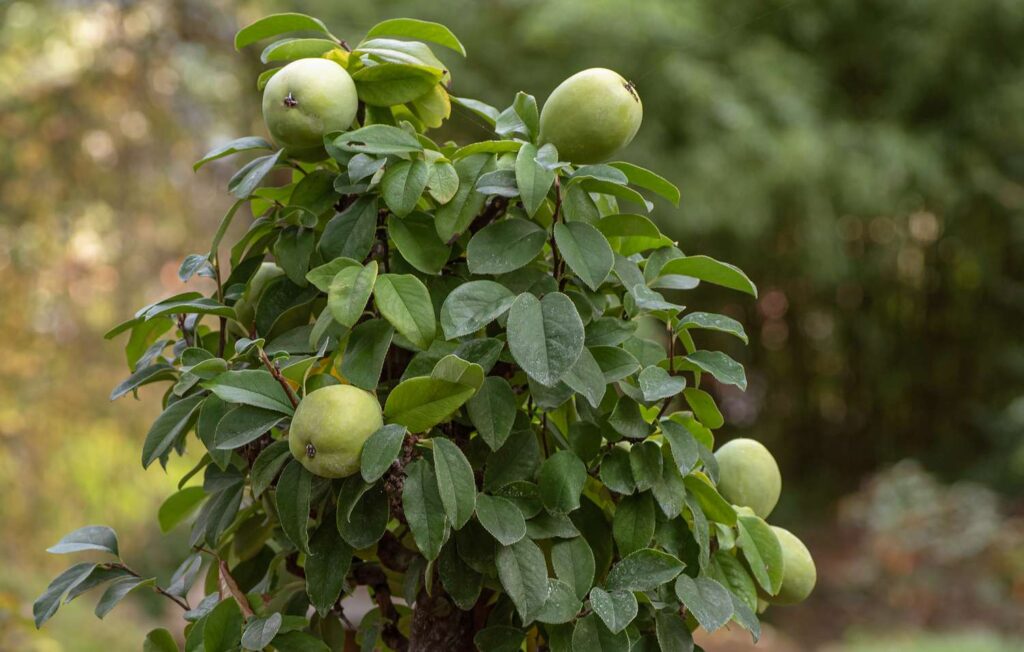
In the realm of fruit trees, there exists a fascinating yet often overlooked species known as Cydonia oblonga, commonly referred to as the cotogno or Asian pear tree. Native to Asia Minor, this remarkable tree has been cultivated for centuries not only for its stunning floral displays but also for its delectable fruits. In this article, we will delve into the world of cotogno, exploring its unique characteristics, cultivation methods, and applications.
The Cotogno Tree: A Rustic yet Resilient Species
Cotogno is a deciduous tree with small, evergreen leaves that shed in winter. It grows to be around 5 meters tall, making it an ideal choice for low-maintenance gardens or orchards. The tree’s robust nature and adaptability have earned it a special place in the hearts of fruit enthusiasts worldwide.
Characteristics of Cotogno: A Fruitful yet Challenging Tree
The cotogno tree boasts striking features that set it apart from other fruit trees:
- Flowers: Delicate, white or pale-pink blooms that bloom on short stalks
- Leaves: Oval-shaped leaves with a soft, velvety texture and an intense green color
- Fruit: A pear-like fruit with a yellowish-brown skin, containing a granular pulp and several seeds
The Cotogno Fruit: A Taste of Perfection?
While the cotogno fruit may seem appealing at first glance, its unique characteristics present some challenges:
- Tannins and Pectine: The high concentration of tannins and pectine in the fruit makes it unpalatable raw
- Culinary Uses: Cooking or processing the fruit is necessary to make it edible
Cotogno as a Portainnesto: Unlocking its Potential
The cotogno tree’s unique features make it an excellent choice for grafting and propagation:
- Easy Grafting: The tree’s rapid growth rate and adaptability make it easier to propagate using grafting techniques
- Versatility: Cotogno can be used as a rootstock for other fruit trees, such as melons and peres
Cultivating the Cotogno: Tips and Tricks
To successfully cultivate the cotogno tree, follow these guidelines:
- Choose the Right Variety: Select a variety that suits your climate and desired use (fruit or ornamental)
- Planting: Plant in well-draining soil with full sun
- Irrigation: Water regularly, but avoid overwatering
- Pruning: Prune annually to maintain shape and promote fruit production
Common Issues When Growing Cotogno
When growing cotogno, you may encounter some common issues:
- Root Rot: Overwatering can lead to root rot, causing the tree to become soft and mushy
- Pest Infestation: Aphids and mites are common pests that target cotogno trees
- Diseases: Fungal diseases such as powdery mildew and rust can affect cotogno trees
Pest Management Techniques
To manage pest infestations effectively, try these techniques:
- Physical Removal: Regularly inspect your tree for signs of pests and manually remove any affected leaves or branches
- Insecticides: Use insecticides specifically labeled for use on fruit trees to control aphid and mite populations
Disease Management Techniques
To manage fungal diseases, try these techniques:
- Copper Fungicides: Apply copper fungicides as a preventative measure to protect against powdery mildew
- Trichoderma Treatment: Treat affected branches with Trichoderma, a natural fungus that competes with pathogenic fungi
Fertilization and Mulching
To maintain the health and productivity of your cotogno tree:
- Soil Fertilization: Apply a balanced fertilizer in early spring to promote healthy growth
- Mulching: Mulch around the base of the tree to retain moisture, suppress weeds, and regulate soil temperature
Conclusion
In conclusion, the cotogno tree is a fascinating species that offers numerous benefits for gardeners and fruit enthusiasts alike. By understanding its unique characteristics, cultivation methods, and applications, you can unlock its full potential and enjoy the rewards of this often-overlooked fruit tree.
Frequently Asked Questions (FAQs)
- Q: What is the best time to plant a cotogno tree?
A: The ideal time for planting a cotogno tree depends on your location, but generally falls between March and April. - Q: How often should I water my cotogno tree?
A: Water regularly during dry spells, but avoid overwatering to prevent root rot. - Q: Can I use the cotogno fruit without cooking it?
A: Due to its high concentration of tannins and pectine, it’s recommended to cook or process the fruit before consumption. - Q: How can I propagate my cotogno tree using grafting techniques?
A: Grafting involves taking cuttings from the parent tree (cotogno) and joining them to a compatible rootstock.


