
Introduction
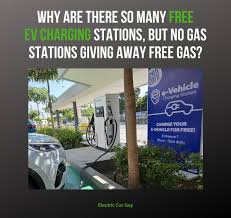
As we continue to transition towards a more sustainable future, the importance of electric vehicles (EVs) cannot be overstated. However, one crucial aspect of EV ownership remains a point of contention: charging costs. In this article, we’ll explore the concept of free charging stations and why they should become a standard feature in Italy’s EV infrastructure.
The Problem with Charging Costs
Imagine driving down the road, enjoying the scenic views, when suddenly you realize your battery is running low. You pull over to find a convenient charging station, but instead of being greeted by a friendly attendant, you’re faced with a hefty bill. This is the reality for many EV owners in Italy, where charging costs can be prohibitively expensive.
For instance, let’s consider a typical scenario in Italy:
- A driver arrives at a major intersection, notices their battery is nearly depleted, and pulls over to charge.
- After a few minutes, they discover that the charging station requires a payment of €0.50 per kilowatt-hour (kWh) for an average EV with a 60 kWh capacity.
- This translates to a daily cost of around €15, which adds up quickly when used frequently.
The German Model: A Beacon of Hope
So, why not learn from our neighbors across the border? In Germany, a pilot project is underway to install free charging stations at street lamps. The concept may seem straightforward, but it’s actually quite complex. By leveraging existing infrastructure, these stations can provide a convenient and cost-effective way for EV owners to top up their batteries.
The German model has several key components:
- Street Lamp Charging: This approach involves installing charging points within existing street lamp structures.
- Low-Cost Installation: The infrastructure is built at minimal cost using existing power lines, reducing the financial burden on municipalities.
- High-Charge Capacity: Street lamps can accommodate high-power charging, allowing drivers to quickly recharge their batteries.
While this model may not be suitable for all areas, it demonstrates a viable alternative to traditional charging station models. By adopting this approach, Italy can reduce its reliance on costly charging infrastructure and create a more sustainable transportation system.
The Italian Energy Market: An Overcapacity Problem
But why hasn’t Italy adopted this approach? The answer lies in the country’s energy market, which is currently plagued by overcapacity. According to data from the Italian Renewable Energy Association (asRinnovabili), the country produces more electricity than it consumes, resulting in an excess of 40 GW.
This surplus energy is a wasted opportunity, as it cannot be stored like gas or used to optimize existing infrastructure. So, why not use this excess energy to power free charging stations? It’s a no-brainer, but there are complexities involved that need to be addressed.
One major challenge is the lack of coordination between regional and national authorities. In Italy, energy production and distribution are managed by multiple entities, which can lead to inefficiencies and inconsistencies in policy implementation.
The Benefits of Free Charging Stations
So, what would happen if Italy were to adopt free charging stations? The benefits would be numerous:
- Increased adoption rates: By making charging more accessible and affordable, EV owners will be more likely to choose electric vehicles.
- Reduced energy waste: By utilizing excess energy, we can minimize the amount of power wasted during peak hours.
- Improved air quality: Electric vehicles produce zero tailpipe emissions, reducing greenhouse gas emissions and improving air quality.
Real-World Examples: Successful Charging Stations in Italy
There are several examples of successful free charging stations in Italy:
- The City of Turin’s Free Charging Station Network: This network provides over 500 free charging points across the city, catering to both public and private fleets.
- The Fiat 500e’s Free Charging Station Program: Fiat Chrysler Automobiles (FCA) offers a comprehensive charging station program for its electric vehicles, including the popular Fiat 500e.
These examples demonstrate that implementing free charging stations is feasible in Italy, with positive outcomes for both EV owners and the environment.
Conclusion
The debate about charging costs has been ongoing for far too long. It’s time to rethink our approach and explore innovative solutions that benefit both EV owners and the environment. Italy can learn from Germany’s example and take the first step towards a more sustainable transportation system. By providing free charging stations, we can create a level playing field for all electric vehicles.
Frequently Asked Questions
- What is overcapacity in the context of energy production?
- How does the German model of free charging stations work?
- Why hasn’t Italy adopted this approach yet?
- What are the benefits of free charging stations for EV owners and the environment?
- Can we store excess energy like gas or use it to optimize existing infrastructure?
- How can we minimize energy waste during peak hours?
- Will providing free charging stations lead to increased adoption rates of electric vehicles?
- What role can Italy play in promoting sustainable transportation systems?


