
Introduction
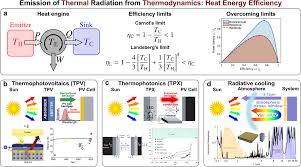
Thermal irradiation is one of the mechanisms by which heat is transmitted without a physical support, allowing it to pass from a warmer body to a cooler one even in a vacuum. This characteristic makes thermal irradiation an essential aspect of energy transmission and consumption. In this article, we will delve into the world of thermal irradiation, exploring its importance for energy efficiency, how it affects buildings, and its impact on photovoltaic systems.
What is Thermal Irradiation?
Thermal irradiation refers to the emission or absorption of electromagnetic radiation within a specific wavelength range, typically from 0.1 mm to 100 mm. This range includes all radiations of the visible spectrum (wavelengths between 0.4 and 0.76 mm) and part of the infrared and ultraviolet radiation. Thermal irradiation plays a crucial role in various natural processes, such as the Earth’s climate system, where it influences the global temperature distribution.
Why is Thermal Irradiation Important for Energy Efficiency?
Thermal irradiation is essential for understanding energy efficiency, particularly in buildings. Approximately 40% of the energy currently used in Europe is dedicated to heating homes and offices: correctly insulated buildings consume significantly less energy. Insulation panels can block thermal irradiation, reducing heat transfer between a building’s interior and exterior.
History of Thermal Irradiation Research
The study of thermal irradiation dates back to the 19th century when scientists like Wilhelm Wien first described its properties. In the early 20th century, researchers such as Albert Einstein developed the theory of black-body radiation, which explained how objects emit electromagnetic radiation due to their temperature.
Mechanisms of Heat Transfer
There are three primary mechanisms by which heat is transferred: conduction, convection, and thermal irradiation. Conduction occurs when two objects in physical contact exchange heat energy. Convection happens when a fluid (liquid or gas) transfers heat through the movement of molecules. Thermal irradiation, on the other hand, involves the transfer of heat through electromagnetic radiation.
Thermal Irradiation in Buildings
The heat from a building escapes through conduction, convection, and thermal irradiation. Correct insulation can prevent this loss of energy by blocking thermal irradiation with materials like mineral wool. This process allows buildings to consume significantly less energy when properly insulated.
Impact of Thermal Irradiation on Photovoltaics
Temperature is a limiting factor for photovoltaics (PV). That’s why when measuring solar irradiance to estimate the potential capacity of an installed PV system in a specific geographic area, temperature also affects the cell photovoltaic measurement. This can be measured using a thermocouple.
Consequences of Thermal Irradiation
Thermal irradiation has significant consequences for energy efficiency, particularly in buildings and solar power systems. By understanding thermal irradiation, we can develop more sustainable solutions that consume less energy and reduce our carbon footprint.
Frequently Asked Questions (FAQs)
Q: What is thermal irradiation?
A: Thermal irradiation is the mechanism by which heat is transmitted without a physical support, allowing it to pass from a warmer body to a cooler one even in a vacuum.
Q: How does thermal irradiation affect buildings?
A: The heat from a building escapes through conduction, convection, and thermal irradiation. Correct insulation can prevent this loss of energy.
Q: What role does temperature play in photovoltaics?
A: Temperature affects the performance of solar panels, reducing their energy production. Measuring temperature is crucial when estimating the potential capacity of an installed PV system.
Q: How important is thermal irradiation for energy efficiency?
A: Blocking thermal irradiation with insulation panels can significantly reduce energy consumption in buildings and create more efficient heating and cooling systems.
Q: What materials are used to prevent thermal irradiation?
A: Insulation made from mineral wool prevents convection, blocks radiation, and limits heat transfer.
Q: Can temperature be controlled in photovoltaic systems?
A: No, temperature cannot be directly controlled in solar power systems. However, understanding its impact is crucial for estimating their potential capacity.
Q: Why is thermal irradiation a critical factor in energy efficiency?
A: Blocking thermal irradiation with insulation panels can significantly reduce energy consumption and create more efficient heating and cooling systems, making it a critical factor in achieving energy efficiency.
Q: How does thermal irradiation compare to other mechanisms of heat transfer?
A: Thermal irradiation is one of the mechanisms by which heat is transferred without a physical support, allowing it to pass from a warmer body to a cooler one even in a vacuum.
Q: What are the benefits of understanding thermal irradiation for energy efficiency?
A: Understanding thermal irradiation allows us to develop sustainable buildings and solar power systems that consume less energy and reduce our carbon footprint.
Future Directions
The study of thermal irradiation is an active area of research, with ongoing efforts to improve its understanding and application. In the future, researchers are expected to investigate new materials and technologies for better insulation and more efficient solar panels. Additionally, advancements in computational modeling will enable more accurate predictions of thermal radiation and its impact on energy efficiency.
Conclusion
In conclusion, understanding thermal irradiation is crucial for developing sustainable buildings and solar power systems that consume less energy and reduce our carbon footprint. By blocking thermal irradiation with insulation panels, we can significantly reduce energy consumption and create more efficient heating and cooling systems.


