
Introduction
The Cedar of Lebanon, a towering tree with immense size and significant importance, has been a part of human history for centuries. Belonging to the Pinaceae family, alongside other ornamental trees like the Atlas Cedar, Deodara Cedar, and Cyprus Cedar, this majestic species has captivated people’s imagination.
Origin and History
The Cedrus libani, also known as the Lebanese Cedar, is native to Asia Minor and can grow up to 30-40 meters tall. Its dark bark, short green needles, and pyramidal shape make it a striking feature in any landscape. This evergreen conifer has been an integral part of human civilization, with records of its use dating back thousands of years.
The Cedar’s Properties
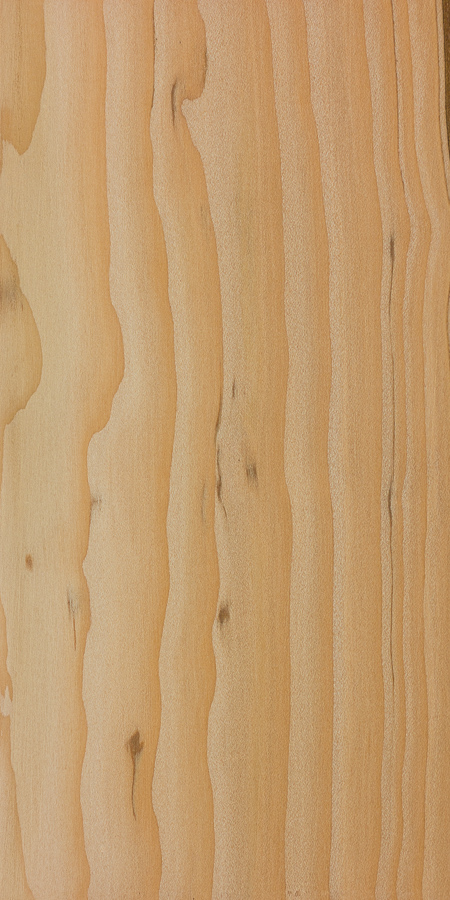
The cedar tree is renowned for its massive trunk and resistance to decay, as well as its aromatic wood. The wood is often used to create furniture, decorative elements, and even coffins. The leaves and bark of the cedar have been utilized in traditional medicine for their expectorant and anti-inflammatory properties.
Medicinal Uses
In recent times, the cedar tree has gained attention for its potential medicinal benefits. Macerated glycerite made from the cedar’s gemstones is recommended to alleviate psoriasis symptoms, while a decotted resin extracted from the bark serves as an excellent antaccharial and antibronchial agent.
Growing Requirements
Due to its size and longevity, the Cedrus libani requires minimal pruning, except in cases of dead or diseased branches. However, it is crucial to consider the space needed for this majestic tree to grow, as it can create problems or even damage nearby structures if not properly cared for.
Introduction to Europe and Italy
The cedar tree was introduced to Europe at the end of the 18th century, with Italy becoming a significant hub for its cultivation in the early 19th century. Today, Ferrara and the Isola della Maddalena are home to some remarkable examples of Cedrus libani trees.
Price and Availability
A packet of cedar seeds containing 20 pieces can be purchased for €3.50. While it may take time and patience to grow a mature tree from seed, the end result is well worth the effort.
Cultural Significance
Throughout history, the Cedar of Lebanon has played a significant role in various civilizations, including the Phoenicians, Egyptians, Greeks, Romans, Babylonians, and Persians. Each culture has recognized its importance and utilized it for various purposes, from shipbuilding to temple construction.
The cedar tree’s significance extends beyond its practical uses; it also holds deep spiritual and symbolic meaning in many cultures. In ancient times, the cedar was considered a sacred tree, associated with the gods and goddesses of various pantheons. Its evergreen nature made it a symbol of eternal life, rebirth, and fertility.
The Cedar in Literature and Art
Throughout literature and art history, the cedar has been depicted as a majestic and awe-inspiring presence. In ancient Greek mythology, the cedar was associated with Zeus, while in Norse mythology, it was connected to Odin. The tree’s features have inspired countless works of art, from Renaissance paintings to modern sculptures.
The Cedar in Music
The cedar tree has also played a significant role in music history. In ancient times, the cedar wood was used to create instruments, such as flutes and lyres. Today, the sound of the cedar is still evoked by musicians who play instruments carved from this majestic wood.
Growing and Care for Cedar Trees
To ensure the longevity and health of a Cedrus libani tree, proper care is essential. Planting in well-drained soil with full sun is crucial, while regular watering and fertilization can help promote healthy growth.
Pest and Disease Management
Regular monitoring for pests and diseases is necessary to prevent damage to cedar trees. Common pests include aphids, scale insects, and fungi, which can be controlled through integrated pest management techniques.
Harvesting Cedar Wood
Cedar wood is often harvested from mature trees when they are around 100-150 years old. Harvesting involves carefully removing the tree’s branches and leaves, followed by a controlled burning process to prevent damage to the remaining timber.
Sustainability of Cedar Tree Cultivation
As the demand for cedar wood increases, sustainable cultivation practices become increasingly important. Plantations of Cedrus libani trees have been established in various parts of the world, with a focus on reforestation and conservation efforts.
Conclusion
In conclusion, the cedar tree is an extraordinary species with a rich history, cultural significance, and medicinal properties. Its massive size, resistance to decay, and aromatic wood make it an ideal choice for furniture-making and decorative elements. As we explore the wonders of this majestic tree, let us not forget its role in human civilization and the importance of responsible cultivation.
Frequently Asked Questions (FAQs)
Q: What is the average lifespan of a Cedar of Lebanon tree?
A: The average lifespan of a Cedrus libani tree can range from 500 to 1,000 years.
Q: Can I grow a cedar tree from seed?
A: While it is possible to grow a cedar tree from seed, it may take several decades for the tree to mature.
Q: Are cedar trees suitable for indoor cultivation?
A: Yes, cedar trees can thrive indoors with proper care and lighting conditions.
Q: What are some common pests that affect Cedar of Lebanon trees?
A: The most common pests affecting Cedrus libani trees include aphids, scale insects, and fungi.
Q: Can I use cedar wood for cooking or food preparation?
A: No, cedar wood is not suitable for cooking or food preparation due to its aromatic properties.
Q: Are there any medicinal benefits associated with Cedar of Lebanon bark?
A: Yes, the bark of the Cedrus libani tree has been used in traditional medicine for its expectorant and anti-inflammatory properties.


