
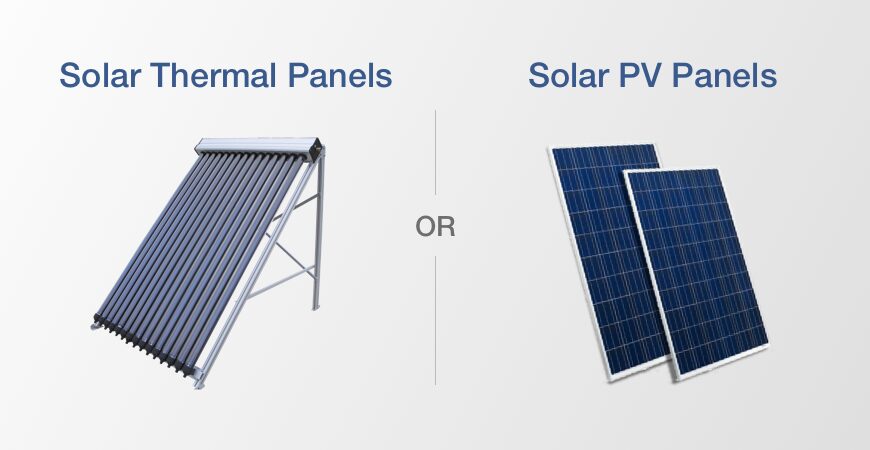
As we continue to navigate the challenges of climate change, energy security, and sustainable development, solar power has emerged as a promising solution. However, beneath its surface, the solar panel technology also poses some intriguing paradoxes. In this article, we will delve into the limitations and potential of solar panels, particularly when combined with concentrated solar power (CSP) technology.
The Paradox of Solar Panel Efficiency
One of the most striking aspects of solar panels is their inefficiency. Despite harnessing the energy from the sun’s rays, these panels often fail to fully exploit their potential due to various factors such as heat, shading, and angle of incidence. This limitation can result in significant energy losses, particularly during periods of low sunlight.
For instance, a typical photovoltaic system might have an efficiency rate of around 15-20%. However, this means that for every unit of sunlight it receives, the panel only converts a fraction of that energy into usable electricity. In contrast, CSP technology can achieve efficiencies as high as 40%, making it a more efficient option.
The Rise of Concentrated Solar Power (CSP)
To address this issue, CSP technology has emerged as a game-changer. By concentrating solar energy through mirrors or lenses, CSP systems can achieve higher efficiency rates and generate more electricity from the same amount of sunlight. This technology has gained significant traction in recent years, with many countries investing heavily in CSP infrastructure.
One of the key advantages of CSP is its ability to store energy generated during peak periods for use during off-peak hours. This feature enables greater flexibility in the energy grid, allowing CSP systems to provide stable and reliable power supply even when the sun is not shining.
The CSP Advantage: Energy Storage and Flexibility
CSP technology offers several benefits that make it an attractive option for those seeking a more comprehensive energy mix. By storing energy generated during peak periods, CSP systems can help stabilize the grid and reduce reliance on fossil fuels. This feature enables greater flexibility in the energy grid, allowing CSP systems to provide stable and reliable power supply even when the sun is not shining.
For instance, CSP systems can be used to generate electricity during peak hours of demand, such as lunchtime or early evening, and then use stored energy to meet demand during off-peak hours. This feature enables greater flexibility in the energy grid, allowing CSP systems to provide stable and reliable power supply even when the sun is not shining.
The Solar Panel Conundrum: Balancing Convenience and Sustainability
As we gaze out at our comfortable homes, offices, and cities, it’s natural to feel a sense of unease about the environmental impact of our daily lives. However, when it comes to solar panels, there’s often an uncomfortable trade-off between convenience and sustainability.
By choosing not to invest in CSP technology or by relying solely on photovoltaic systems, we may be overlooking opportunities for more efficient energy generation. For instance, if we install a traditional photovoltaic system, we may end up with higher upfront costs compared to CSP technology.
The CSP Solution: A Bridge Between Solar Panels and Thermal Energy
CSP technology has the potential to bridge this gap by providing a middle ground between solar panels and thermal energy. By harnessing the power of concentrated sunlight, CSP systems can generate heat or electricity that can be stored and used later, reducing our reliance on fossil fuels.
This synergy between solar and thermal energy could lead to a more comprehensive and sustainable energy mix. For instance, CSP systems can be used to generate heat for industrial processes or provide hot water for buildings, reducing our reliance on fossil fuels and lowering greenhouse gas emissions.
The Solar Panel-Electricity Conundrum: A Tale of Two Systems
When comparing the performance of photovoltaic systems and CSP technology, it becomes clear that both have their strengths and weaknesses. While solar panels excel in terms of efficiency and upfront costs, CSP technology offers greater flexibility and energy storage capabilities.
For instance, traditional photovoltaic systems are best suited for areas with high levels of sunlight and minimal shading. However, these systems can struggle to provide stable power supply during periods of low sunlight or when the sun is not shining.
In contrast, CSP technology offers a more reliable source of electricity, even in areas with limited sunlight. By storing energy generated during peak periods, CSP systems can provide stable and reliable power supply even when the sun is not shining.
The Future of Solar Energy: A Collaborative Approach
As we move forward in the realm of solar energy, it’s essential that we adopt a collaborative approach. By combining photovoltaic systems with CSP technology, we can create hybrid solutions that maximize efficiency and minimize losses.
This partnership between two seemingly disparate technologies has the potential to revolutionize our approach to renewable energy generation. For instance, by integrating CSP technology into traditional photovoltaic systems, we can reduce the environmental impact of these systems while improving their performance.
Conclusion
In conclusion, the relationship between solar panels and concentrated solar power is complex and multifaceted. While solar panels offer efficient energy generation, CSP technology provides greater flexibility and energy storage capabilities.
By embracing a collaborative approach and exploring ways to combine these technologies, we can unlock new possibilities for sustainable energy generation. As we move forward in the realm of solar energy, it’s essential that we adopt a more comprehensive and sustainable approach, one that balances convenience and sustainability while minimizing our reliance on fossil fuels.
Frequently Asked Questions (FAQs)
- What are the limitations of solar panel efficiency?
Solar panels often fail to fully exploit their potential due to factors such as heat, shading, and angle of incidence, resulting in significant energy losses.
- How does CSP technology compare to photovoltaic systems?
CSP technology offers greater flexibility and energy storage capabilities compared to photovoltaic systems, making it an attractive option for those seeking a more comprehensive energy mix.
- Can solar panels be combined with other renewable energy sources?
Yes, solar panels can be paired with other renewable energy sources such as wind power or hydroelectricity to create hybrid systems that maximize efficiency and minimize losses.
- What are the benefits of using CSP technology for energy storage?
CSP technology enables greater flexibility in the energy grid by allowing stored energy to be used during off-peak hours, reducing our reliance on fossil fuels and improving overall sustainability.
- How can we balance convenience and sustainability when it comes to solar panels?
By adopting a hybrid approach that combines photovoltaic systems with CSP technology, we can create more efficient energy generation solutions while minimizing the environmental impact of our daily lives.
- What is the future of solar energy, and how will CSP technology play a role?
The future of solar energy lies in embracing a collaborative approach between photovoltaic systems and CSP technology, unlocking new possibilities for sustainable energy generation and reducing our reliance on fossil fuels.
- Can CSP technology be used to generate electricity during periods of low sunlight?
Yes, CSP technology can provide stable and reliable power supply even when the sun is not shining due to its ability to store energy generated during peak periods.
- How will the increasing adoption of CSP technology impact the solar panel industry?
The integration of CSP technology with photovoltaic systems is expected to drive innovation and growth in the solar panel industry, leading to more efficient energy generation solutions and a reduced carbon footprint.


