
As our thirst for energy continues to grow, we are faced with a daunting challenge: how to meet the ever-increasing demand for electricity without sacrificing our planet’s well-being. The answer lies in harnessing clean and sustainable sources of energy, such as solar power. In this article, we will delve into the world of concentrated solar energy (CSE) and explore its potential to revolutionize the way we generate electricity.
The Problem with Traditional Solar Energy
Traditional solar panels, while a significant step forward, are not enough to meet our growing energy needs. These panels have a limited efficiency rate, which means they can only convert a portion of the sun’s rays into usable energy. Moreover, their installation requires complex infrastructure and permits, making them a less attractive option for individuals and businesses.
The Solution: Concentrated Solar Energy
To overcome these limitations, concentrated solar energy emerges as a promising solution. CSE uses a large system of mirrors or lenses to concentrate sunlight onto a smaller area, increasing the temperature and efficiency of electricity generation. This technology has the potential to not only reduce greenhouse gas emissions but also provide a reliable source of clean energy.
How Concentrated Solar Energy Works
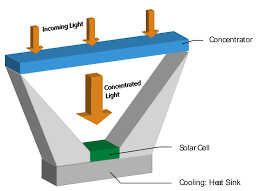
The CSE system consists of three main components:
- Concentratore primario: A large system of mirrors or lenses that focuses sunlight onto a smaller area.
- Ricevitore fotovoltaico: A small panel of high-efficiency photovoltaic cells that convert the concentrated sunlight into electricity.
- Sistema di raffreddamento: A cooling system to maintain the temperature of the photovoltaic cells below 90°C.
Benefits of Concentrated Solar Energy
CSE offers several benefits over traditional solar energy, including:
- Higher efficiency rates: By concentrating sunlight onto a smaller area, CSE can achieve higher temperatures and greater heat transfer, resulting in increased electricity generation.
- Lower installation costs: The cost of installing CSE systems is often lower than that of traditional solar panels, making it an attractive option for individuals and businesses.
- Greater reliability and consistency of energy output: CSE systems are less susceptible to shading and weather conditions, ensuring a more consistent flow of electricity.
- Reduced greenhouse gas emissions: By reducing our reliance on fossil fuels, CSE can help lower carbon emissions and mitigate the impact of climate change.
Challenges and Opportunities
While CSE holds great promise, there are still challenges to overcome. The high initial investment required for large-scale deployment can be a barrier to entry for many companies and individuals. However, as the technology advances and economies of scale improve, the cost of CSE is expected to decrease significantly.
The Future of Solar Energy
As we move forward in our pursuit of sustainable energy solutions, it’s clear that concentrated solar energy will play an increasingly important role. By combining traditional solar panels with CSE, we can create fields of solar energy that are not only more efficient but also more reliable and cost-effective.
Here are some key points to consider:
- System design: Careful consideration must be given to the design of both the concentrator system and the photovoltaic cells to ensure optimal performance.
- Cooling systems: Effective cooling systems are crucial to maintaining the temperature of the photovoltaic cells at safe levels.
- Scalability: Large-scale deployment of CSE requires careful planning and management to ensure efficient use of resources.
Case Studies
Several companies and organizations have successfully implemented CSE systems, demonstrating its potential for large-scale energy production. Some notable examples include:
- Noor-Ouarzazate solar complex: Located in Morocco, this complex is one of the largest solar farms in the world, with a capacity of over 510 MW.
- Solar Star project: In California, USA, this project uses CSE to generate over 579 MW of electricity, making it one of the largest solar power plants in North America.
FAQs
Here are some frequently asked questions about concentrated solar energy:
- What is concentrated solar energy, and how does it work?
- Concentrated solar energy (CSE) is a technology that uses a large system of mirrors or lenses to concentrate sunlight onto a smaller area, increasing the temperature and efficiency of electricity generation.
- How efficient is CSE compared to traditional solar panels?
- CSE has higher efficiency rates than traditional solar panels due to its ability to focus sunlight onto a smaller area, resulting in increased heat and energy production.
- What are the benefits of using concentrated solar energy?
- CSE offers several benefits over traditional solar energy, including higher efficiency rates, lower installation costs, greater reliability and consistency of energy output, and reduced greenhouse gas emissions.
By understanding the power of concentrated solar energy and its potential to transform the way we generate electricity, we can take a crucial step towards creating a more sustainable future.


