
The Dangers of Giving Milk to Cats: A Comprehensive Guide
Are you considering giving milk to your feline friend? Think again! While it may seem harmless, feeding milk to cats can have serious health consequences. In this article, we’ll delve into the world of feline nutrition and explore why milk is not a suitable substitute for their dietary needs.
The Myth Behind Milk for Cats
It’s easy to assume that if milk is good for humans, it must be beneficial for our feline companions as well. However, this assumption overlooks the significant differences between human and feline physiology. What works for us may not work for cats, and in some cases, can even cause harm.
Why Milk Is Not Suitable for Cats
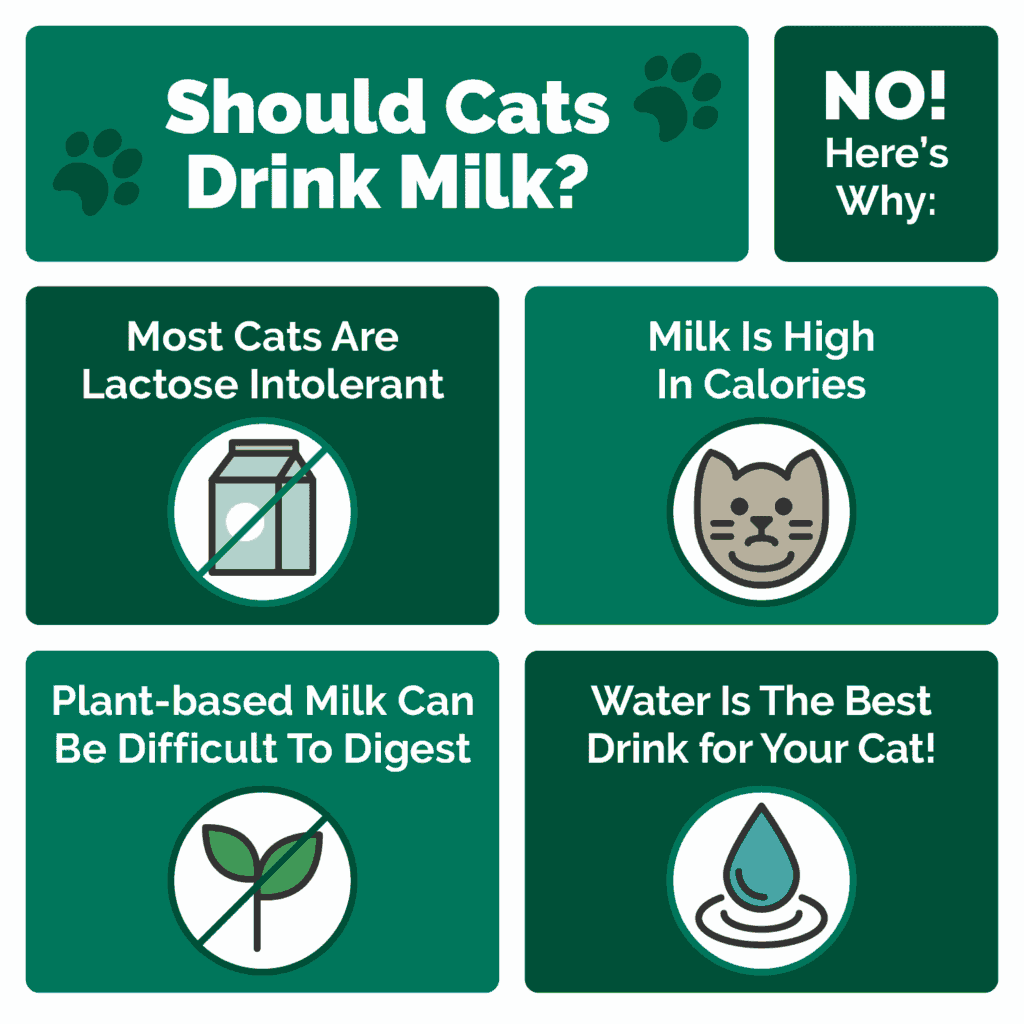
Milk contains lactose, a sugar that is difficult for cats to digest. In fact, most adult cats are lactose-intolerant, meaning they lack the enzyme lactase that breaks down lactose into easily absorbed sugars. When cats consume milk, it can lead to digestive issues such as diarrhea, gas, and bloating.
Dangers of Giving Milk to Kittens
Kittens have a different nutritional requirement than adult cats. While milk is necessary for kittens’ growth and development during the first few weeks of life, it’s not suitable for them beyond that age. Overfeeding with milk can lead to obesity, dental problems, and other health issues.
When to Give Milk to Cats: Special Cases
While milk should not be a regular part of your cat’s diet, there may be exceptional circumstances where it’s necessary under the guidance of a veterinarian. These cases include:
- Malnutrition: In severe cases of malnutrition or starvation, a veterinarian may recommend a milk replacer specifically designed for cats.
- Illness: If your cat is seriously ill or has a compromised digestive system, a veterinarian may suggest a milk-based diet to help with recovery.
The Risks of Giving Milk to Adult Cats
Feeding milk to adult cats can lead to various health problems, including:
- Diarhea and Vomiting: Milk can cause stomach upset and diarrhea in cats.
- Malabsorption: The lactose in milk can lead to malabsorption of essential nutrients, particularly calcium and phosphorus.
- Gastrointestinal Issues: Milk can irritate the digestive system, leading to inflammation and damage.
When Giving Milk Is Not an Option
If you’re considering giving your cat milk as a treat or reward, think twice. Milk is not a suitable substitute for their regular diet, which should consist of high-quality commercial cat food or homemade diets specifically formulated for cats.
Conclusion
While it may seem harmless to give milk to cats, the risks associated with this practice far outweigh any potential benefits. By understanding the nutritional needs of our feline friends and providing them with a balanced, healthy diet, we can ensure they lead happy, healthy lives.
Frequently Asked Questions (FAQs)
- Can I still give my kitten milk if it’s over three weeks old?
No, kittens should not be given milk beyond the age of three to four weeks. - Is milk safe for cats with food allergies or sensitivities?
Milk can exacerbate existing allergies or sensitivities in cats. - Can I use cow’s milk instead of cat milk replacer for my kitten?
No, cow’s milk is not suitable for kittens and can cause digestive issues. - How often should I feed my adult cat milk as a treat?
Milk should never be fed to adult cats as a regular part of their diet. - Can I give milk to my cat if it has pancreatitis or other digestive issues?
No, milk can worsen existing digestive problems in cats. - Is there a type of milk that is safe for cats?
There is no specific type of milk that is safe for cats. Milk replacers specifically designed for kittens are the best option. - Can I use goat’s milk or sheep’s milk instead of cat milk replacer?
No, these milks are not suitable for kittens and can cause digestive issues. - How long should I give my kitten milk after weaning?
Kittens should never be given milk beyond the age of three to four weeks.
By following these guidelines and prioritizing your cat’s health, you can ensure they live a happy, healthy life.


