
As we explore the world of weather, it’s essential to understand the complexities of air currents. One such phenomenon is the ascending air current, also known as the “corrente ascendente” in Italian. This article will delve into the risks and benefits associated with these currents, helping you navigate the skies with confidence.
What are Ascending Air Currents?
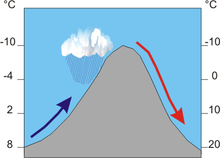
Ascending air currents occur when a mass of air rises, often due to the presence of mountains or temperature differences. As the air ascends, it cools, expanding and becoming less dense. This process creates an area of low pressure near the surface, drawing in more air from surrounding areas.
Where do Ascending Air Currents Form?
Ascending air currents can form in several ways:
- Mountainous terrain: When a mass of air moves over a mountain, it is forced to rise, creating an ascending current.
- Temperature differences: When warm air rises and cools, it expands and becomes less dense, creating an ascending current.
- Instability in the atmosphere: When the atmosphere is unstable, warm air rises faster than cooler air, creating an ascending current.
The Effects of Ascending Air Currents
Ascending air currents can have significant effects on the environment:
- Formation of clouds and precipitation: As warm air rises, it cools, condensing into clouds and eventually forming precipitation.
- Wind patterns: Ascending air currents can create wind patterns that affect weather conditions.
- Aerial traffic: Pilots need to be aware of ascending air currents when flying, as they can impact aircraft performance and safety.
The Relationship Between Ascending Air Currents and Convective Currents
Convective currents are related to the formation of cells in the atmosphere. These cells rotate, mixing warm and cool air masses. Ascending air currents are often formed within these convective currents, where warm air rises and cools, creating a stable atmosphere.
The Impact on Birds and Aviation
Ascending air currents have significant effects on birds and aviation:
- Birds: Many bird species use ascending air currents to soar and glide.
- Aviation: Pilots need to be aware of ascending air currents when flying, as they can impact aircraft performance and safety.
Conclusion
Ascending air currents are an essential aspect of understanding weather patterns. By recognizing the risks and benefits associated with these currents, we can better navigate the skies and appreciate the complexities of the atmosphere. Whether you’re a bird in flight or a pilot navigating the skies, it’s crucial to stay informed about ascending air currents.
FAQs
- What are the primary causes of ascending air currents?
- How do ascending air currents affect precipitation patterns?
- Can ascending air currents impact aircraft performance and safety?
- Which bird species use ascending air currents for soaring and gliding?
- How can pilots prepare for ascending air currents while flying?
Additional Factors to Consider
- Wind shear: Wind shear occurs when wind speed or direction changes rapidly with height. This can affect the stability of aircraft and increase the risk of turbulence.
- Altitude limitations: Ascending air currents often occur at high altitudes, where pilots must be aware of altitude limitations and ensure they have sufficient oxygen for their flight.
- Weather patterns: Weather patterns such as fronts or low-pressure systems can impact ascending air currents, creating areas of instability or turbulence.
Mitigating Risks
To mitigate the risks associated with ascending air currents:
- Monitor weather forecasts: Stay informed about weather conditions and forecast changes that may impact your flight.
- Use navigation tools: Utilize navigation tools such as GPS or radar to detect wind shear, altitude limitations, and other factors that may affect your flight.
- Follow standard operating procedures: Adhere to standard operating procedures for navigating air currents, including flying at safe altitudes and speeds.
Conclusion
Ascending air currents are a complex phenomenon with significant effects on the environment. By understanding the risks and benefits associated with these currents, we can better navigate the skies and appreciate the complexities of the atmosphere. Whether you’re a bird in flight or a pilot navigating the skies, it’s crucial to stay informed about ascending air currents and take steps to mitigate potential risks.


