
As we discuss sustainable diets, it’s natural to wonder if we’re talking about the scale. According to the Food and Agriculture Organization (FAO), a sustainable diet is one that has a low environmental impact while also ensuring food security and nutritional health for current and future generations.
Sustainable diets contribute to biodiversity protection and ecosystem preservation, are culturally acceptable, economically equitable, accessible, safe, and nutritious, all while optimizing natural resources and human capabilities. In essence, a sustainable diet is not just about personal health; it’s also about the planet’s well-being.
So, what exactly constitutes a sustainable diet? The FAO highlights the Mediterranean diet as a prime example. This dietary model emphasizes variety alongside excellent nutritional balance. Unlike other diets that might lack essential nutrients, the Mediterranean diet includes plenty of fruits, vegetables, legumes, and whole grains – foods with minimal environmental impact.
The Mediterranean diet stands out because it:
- Focuses on whole, plant-based foods: The high consumption of fruits, vegetables, and whole grains makes this diet a low-carbon choice.
- Balances protein sources: Moderate amounts of fish, dairy products, and meat contribute to overall nutritional health without overloading the environment.
- Includes healthy fats: Oils like olive oil are a key component, providing energy while minimizing waste.
By adopting a Mediterranean-inspired diet, we can make significant contributions to reducing greenhouse gas emissions. In fact, studies suggest that a family of four could save around 3.7 tons of CO2 by following this eating pattern for an entire year – equivalent to the emissions from driving one car or consuming twice as much natural gas.
But What About Cost?
When it comes to sustainable diets, affordability is a crucial factor. In times of economic uncertainty, a model that fits within everyone’s budget is essential. Research conducted by the Barilla Center for Food Nutrition found that various menu options in Italy had relatively low costs:
- Meat-based menus: €43 per week in Milan and €34 in Naples
- Balanced meat menus: €40 in Milan and €32 in Naples
- Vegetarian meals: €35 per week in Milan and €28 in Naples
- Vegan diets: €33 in Milan and €26 in Naples
These figures show that a sustainable diet can be just as affordable as traditional eating patterns.
Getting Started with Sustainable Diets
Incorporating more plant-based meals into your routine is an excellent way to start reducing your environmental footprint. By making informed choices about the foods you eat, you’ll not only benefit from improved health but also contribute to a healthier planet.
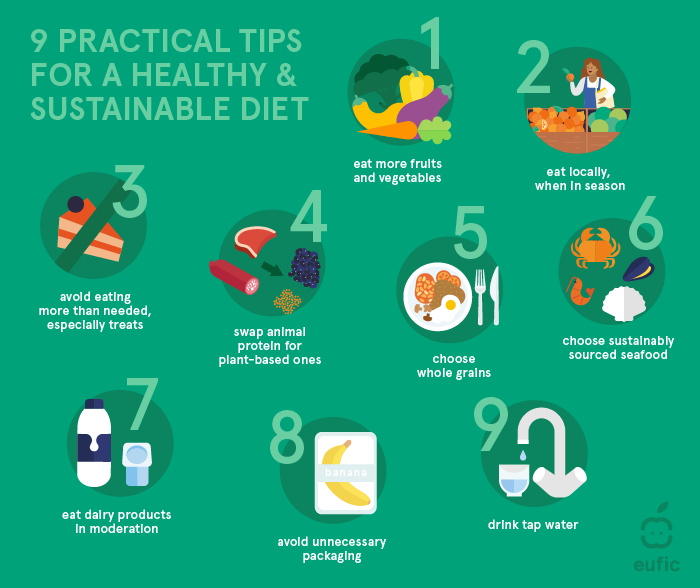
Here are some simple tips to get you started:
- Plan your meals around seasonal produce for lower carbon emissions
- Incorporate more legumes, beans, and lentils into your diet
- Explore different cuisines for inspiration, such as Mediterranean or Asian
- Limit meat consumption, especially red and processed meats
By adopting sustainable eating habits, you’ll be taking a crucial step towards creating a healthier, more environmentally conscious food system.
Frequently Asked Questions
- What are the most environmentally friendly protein sources?
- Legumes (beans, lentils, peas), nuts, and seeds
- How can I make my diet more sustainable on a budget?
- Plan meals around seasonal produce, shop for whole grains and legumes in bulk, and explore affordable cuisines like Mediterranean or Asian.
- What are some simple ways to reduce food waste?
- Plan meals based on the ingredients you already have, use up leftovers creatively, and compost food scraps
- Can a vegan diet be sustainable?
- Yes, a well-planned vegan diet can be both healthy and environmentally friendly
- How much can I save by adopting a sustainable diet?
- Studies suggest that a family of four could save around 3.7 tons of CO2 per year by following a Mediterranean-inspired diet
By making conscious choices about the foods we eat, we can create a more sustainable future for ourselves and generations to come.
Conclusion
A sustainable diet is not just a personal choice; it’s also an environmental imperative. By adopting dietary habits that prioritize plant-based eating, reduced food waste, and efficient resource use, we can significantly reduce our carbon footprint.
As we navigate the complex relationships between food, health, and sustainability, one thing becomes clear: every meal has the power to shape a better future for our planet.
Additional Tips for Sustainable Eating
- Eat local and seasonal: Choose produce from local farmers’ markets or join a community-supported agriculture (CSA) program to reduce transportation emissions.
- Reduce food packaging waste: Opt for bulk purchases, reuse containers, and choose products with minimal packaging.
- Support sustainable agriculture: Look for certifications like Fairtrade, Organic, or Regenerative Agriculture when purchasing food.
- Make meal prep a habit: Plan ahead, cook in bulk, and portion out meals to reduce food waste and save time.
By incorporating these additional tips into your sustainable eating routine, you’ll be taking another step towards creating a healthier planet for generations to come.


