
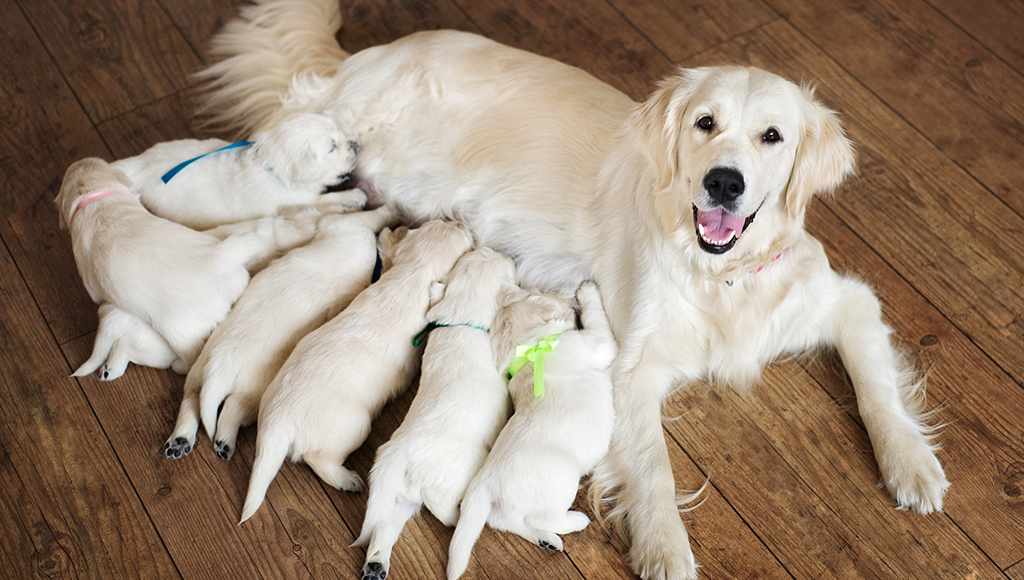
As a new puppy parent, you’re likely excited to welcome your furry friend into your family. However, raising a healthy and happy puppy requires attention to detail, patience, and dedication. In this comprehensive guide, we’ll cover everything from recognizing your puppy’s sex at birth to providing the best possible care for your growing pup.
Understanding Puppy Development
Puppies are born blind, deaf, and helpless, relying on their mother for nutrition and protection. As they grow, they develop rapidly, and their needs change significantly. Understanding puppy development is crucial to provide the right care and attention.
Recognizing a Newborn Puppy’s Sex
Determining a puppy’s sex at birth can be challenging. If you’ve adopted a puppy or purchased one from a breeder, you might already know its sex. However, if you’re handling a newborn puppy for the first time, it’s essential to exercise caution. Here are some tips:
- Handle the puppy gently and carefully, supporting its body with your hands.
- Place the puppy on a warm surface, like an towel or blanket, to keep it cozy.
- Use a gentle touch to feel for the sex organs, but avoid forcing them open.
It’s also worth noting that sexing newborn puppies can be tricky. The best way to determine the sex of a puppy is through ultrasound around 4-5 weeks old, as the test will give more accurate results than visual examination at birth.
Nutrition and Feeding
Puppies have unique nutritional needs. The first few weeks are critical for proper growth and development. Here are some feeding guidelines:
- Feed your puppy every 2-3 hours, starting from birth.
- Use a high-quality puppy food that meets their nutritional needs.
- Introduce solid foods around 6-8 weeks old, gradually increasing the amount of solid food in their diet.
For optimal nutrition, it’s recommended to use a nutrient-rich puppy food that contains the following essential nutrients:
- High-quality protein (e.g., chicken, beef, or lamb)
- Complex carbohydrates (e.g., oats, brown rice, or sweet potatoes)
- Healthy fats (e.g., omega-3 fatty acids from fish oil or flaxseed oil)
Socialization and Training
Puppy socialization is critical for developing good behavior and preventing anxiety. Here are some tips:
- Expose your puppy to new environments, people, and other animals from an early age.
- Use positive reinforcement training methods, like clicker training or reward-based training.
- Be patient and consistent, as puppies learn rapidly.
Some essential socialization activities include:
- Visiting dog parks or puppy play areas
- Meeting new people, including children and seniors
- Exposing your puppy to different textures, smells, and sounds
- Playing with toys and engaging in interactive games
Common Health Issues in Puppies
Regular veterinary check-ups can help identify potential health issues early on. Here are some common health concerns to watch out for:
- Vaccinations: Follow the recommended vaccination schedule to protect your puppy from serious diseases.
- Dental care: Brush your puppy’s teeth regularly to prevent dental problems.
- Parasites: Regularly check for fleas, ticks, and heartworms.
Some additional health issues to be aware of include:
- Hypothyroidism (a common condition in small breeds)
- Patellar luxation (kneecap dislocation)
- Legg-Calve-Perthes disease (hip joint disorder)
Caring for Your Puppy’s Teeth
Puppy teething can be painful. Here are some tips:
- Provide teething toys or chew treats to soothe the gums.
- Brush your puppy’s teeth regularly to prevent tartar buildup.
- Gradually introduce dental chews and healthy snacks to promote oral health.
Some essential dental care tips include:
- Introduce a toothbrush at 3-4 weeks old, using a small, soft-bristled brush
- Use dog-specific toothpaste or a non-toxic human toothpaste with a small amount of water
- Brush your puppy’s teeth gently but thoroughly, focusing on the areas around their front teeth and gums
Tips for Raising a Happy and Healthy Puppy
Raising a happy and healthy puppy requires attention, patience, and dedication. Here are some additional tips:
- Provide plenty of exercise and playtime to keep your puppy active and engaged.
- Establish a routine and stick to it for consistency and stability.
- Show love and affection to help build a strong bond with your puppy.
Some essential activities include:
- Playing fetch or hide-and-seek
- Training basic obedience commands (e.g., sit, stay, come)
- Providing mental stimulation through puzzle toys or scent games
Frequently Asked Questions
Here are some frequently asked questions about raising puppies:
Q: How often should I feed my puppy?
A: Feed your puppy every 2-3 hours, starting from birth. Gradually increase the interval as they grow older.
Q: When can I start training my puppy?
A: Start socialization and basic obedience training around 8 weeks old. Use positive reinforcement techniques for best results.
Q: How often should I take my puppy to the vet?
A: Follow the recommended vaccination schedule, and visit your vet regularly for check-ups and health monitoring.
Q: Can I leave my puppy alone for extended periods?
A: Puppies need attention and socialization. Leave them with a trusted friend or family member if you’re away for an extended period.
Q: How do I know when my puppy is ready for adult food?
A: Transition your puppy to adult food around 9-12 months old, depending on their size and breed. Gradually introduce new foods to prevent digestive issues.
Q: Can I give my puppy human food?
A: Human food can be harmful to puppies. Stick to a balanced, nutrient-rich puppy food to ensure optimal health.
Q: How often should I bathe my puppy?
A: Bathe your puppy regularly, but avoid over-bathing. Puppies have sensitive skin and may develop allergies or irritation.
Q: Can I leave my puppy in a crate for extended periods?
A: Crate training can help with potty training and prevent destructive behavior. Leave your puppy in the crate for short periods initially and gradually increase the time as they mature.
Remember, raising a healthy and happy puppy requires attention to detail, patience, and dedication. By following these guidelines and tips, you’ll be well on your way to creating a lifelong bond with your furry friend.


