
Understanding and Implementing Fall Fertilization for a Green Lawn
As the summer months come to an end, many homeowners are left wondering how to keep their lawns looking their best during the colder winter months. One often-overlooked but crucial aspect of lawn care is fall fertilization, specifically the process known as “trasemina” in Italy. In this article, we’ll delve into what trasemina is, its benefits, and provide a step-by-step guide on how to implement it effectively.
What is Trasemina?
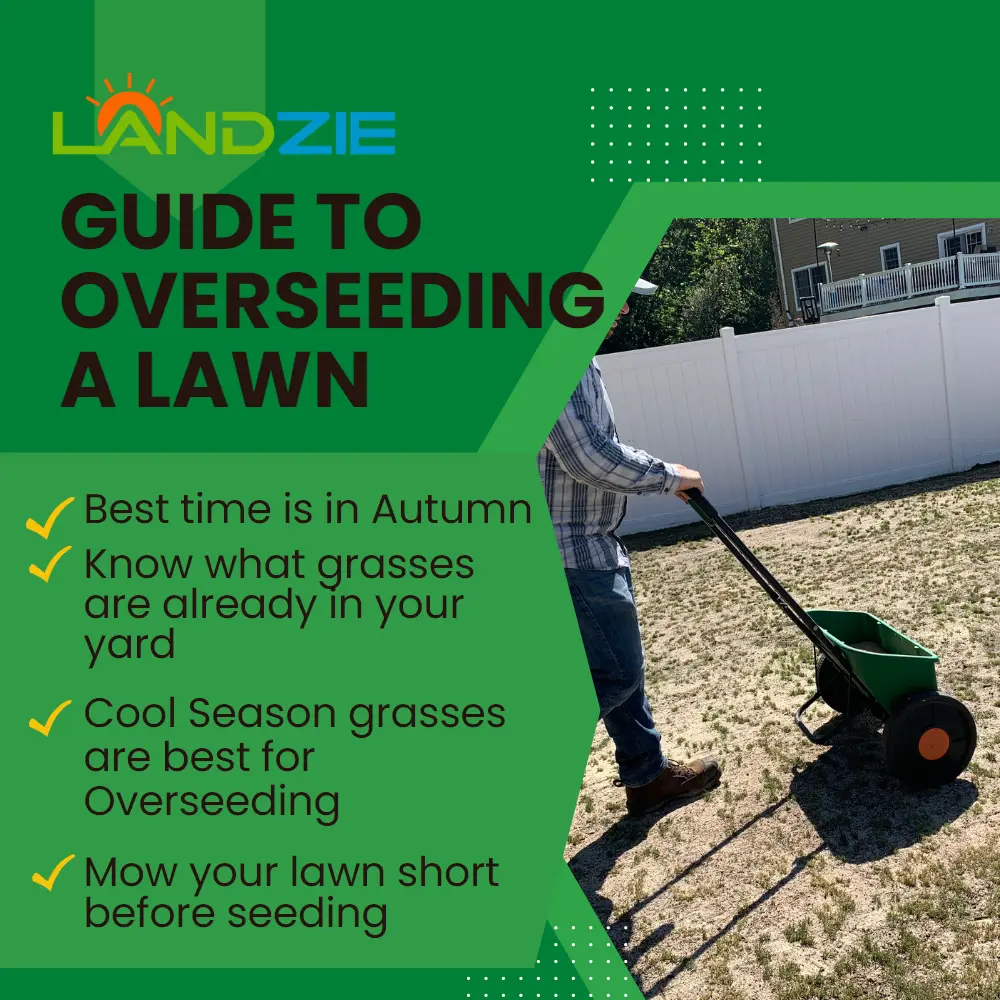
Trasemina, which translates to “greening” or “covering” the lawn, is an essential process that involves scattering seeds of Lolium perenne onto your existing lawn. This practice helps maintain a lush green appearance during the fall season when the grass starts to turn yellow and lose its vibrant color.
Why Do Lawns Turn Yellow in Fall?
As the temperatures drop, lawns begin to undergo a change in color due to reduced sunlight hours and decreased photosynthesis. The grass blades may also start to go dormant, leading to a yellowish hue. This is a natural process, but it doesn’t have to be permanent.
How Does Trasemina Work?
The trasemina process involves distributing the Lolium perenne seeds onto your existing lawn, ensuring they germinate and establish themselves among the existing grass blades. To facilitate germination, it’s essential to water the seeded area thoroughly after application.
While waiting for the seeds to sprout, you can expect the new growth to reach about 8-10 centimeters in height before proceeding with a light mowing or “tosatura” to reveal the vibrant green color of your lawn. Before mowing, ensure that the seeds have taken root by gently tugging on a handful of grass.
Benefits of Trasemina
The benefits of implementing trasemina are numerous:
- Maintains a lush green appearance during the fall season
- Encourages healthy growth and prevents yellowing
- Enhances the overall aesthetic appeal of your lawn
Step-by-Step Guide to Implementing Trasemina
Here’s a simple, step-by-step guide to help you get started with trasemina:
- Prepare Your Lawn: Before applying the seeds, ensure that your lawn is free from debris and weeds.
- Determine the Right Seeds: Select high-quality Lolium perenne seeds specifically designed for fall fertilization.
- Apply the Seeds: Evenly distribute the seeds across your lawn using a spreader or by hand.
- Water Thoroughly: After application, water the seeded area to facilitate germination.
- Wait and Mow: Allow the new growth to reach about 8-10 centimeters in height before proceeding with a light mowing.
Additional Tips for Optimal Results
While implementing trasemina, keep these additional tips in mind:
- Maintain proper lawn care practices throughout the year
- Apply a balanced fertilizer rich in phosphorus and potassium during spring and fall
- Regularly aerate your lawn to promote healthy root growth
By incorporating trasemina into your fall lawn care routine, you’ll be able to maintain a lush, green appearance even during the colder winter months. With a little planning and attention to detail, you can enjoy a beautiful, vibrant lawn all year round.
Frequently Asked Questions (FAQs)
Here are some frequently asked questions about trasemina that we’ve answered for your convenience:
- Q: What type of seeds should I use for trasemina?
- A: High-quality Lolium perenne seeds specifically designed for fall fertilization.
- Q: How often should I water the seeded area?
- A: Water thoroughly after application to facilitate germination.
- Q: Can I apply fertilizer in addition to trasemina?
- A: Yes, apply a balanced fertilizer rich in phosphorus and potassium during spring and fall for optimal results.
Common Mistakes to Avoid When Implementing Trasemina
To ensure the success of your trasemina process, avoid these common mistakes:
- Insufficient seed coverage: Make sure to evenly distribute the seeds across your lawn.
- Inadequate watering: Water the seeded area thoroughly after application to facilitate germination.
- Poor timing: Apply the seeds at the right time to ensure optimal germination and growth.
Tips for Maintaining a Healthy Lawn Throughout the Year
While implementing trasemina, keep these additional tips in mind:
- Maintain proper lawn care practices throughout the year
- Regularly aerate your lawn to promote healthy root growth
- Apply a balanced fertilizer rich in phosphorus and potassium during spring and fall
By following these tips and avoiding common mistakes, you can enjoy a lush, green lawn all year round.
The Importance of Soil Quality
Soil quality plays a significant role in maintaining a healthy lawn. Here are some key factors to consider:
- pH level: Maintain a pH level between 6.0 and 7.0 for optimal growth.
- Nutrient content: Ensure your soil contains essential nutrients like nitrogen, phosphorus, and potassium.
Conclusion
Trasemina is an essential process that helps maintain a lush green appearance during the fall season. By following this step-by-step guide, you can ensure the success of your trasemina process and enjoy a beautiful, vibrant lawn all year round. With proper planning, attention to detail, and regular maintenance, you can keep your lawn looking its best throughout the year.
References
- “Lolium perenne” – Encyclopedia Britannica
- “Trasemina: A Guide to Fall Fertilization” – Italian Gardening Magazine


