
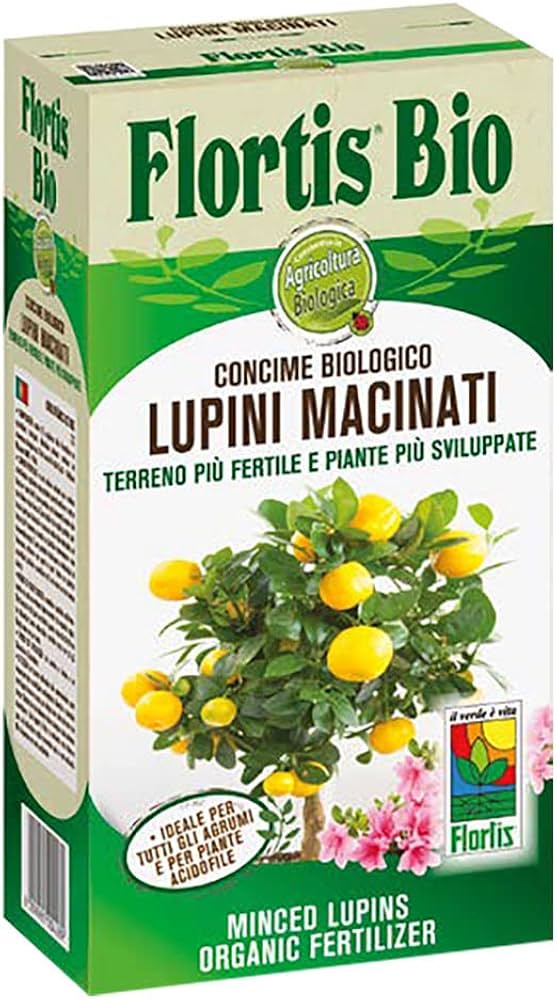
As a gardener, you’re likely aware of the importance of using organic fertilizers to promote healthy plant growth. One such fertilizer is lupin meal, a natural, vegetal-based amendment that’s perfect for acid-loving plants. In this article, we’ll delve into the world of lupin meal and explore its benefits, uses, and how to incorporate it into your gardening routine.
What is Lupin Meal?
Lupin meal, also known as lupin flour, is a nutrient-rich fertilizer made from the dried and ground seeds of the lupin plant. This legume is native to the Mediterranean region and is prized for its high protein content and ability to fix nitrogen in the soil.
Benefits of Lupin Meal
Lupin meal offers several benefits that make it an excellent choice for acid-loving plants:
- High Nitrogen Content: Lupin meal is rich in nitrogen, which promotes healthy leaf growth and green coloration.
- Acidic pH Balance: The natural acidity of lupin meal helps to balance the soil pH, creating an optimal environment for acid-loving plants like azaleas, rhododendrons, and camellias.
- Slow-Release Fertilizer: Lupin meal is a slow-release fertilizer that provides nutrients to the plant over a longer period, reducing the need for frequent applications.
When to Use Lupin Meal
The best time to use lupin meal depends on your specific gardening needs. In general, it’s recommended to apply lupin meal in the spring, just before new growth begins. This allows the nutrients to be absorbed by the plant as it grows.
How to Apply Lupin Meal
To get the most out of lupin meal, follow these application guidelines:
- Dose Rate: Use 80-120 grams of lupin meal per square meter of soil.
- Application Method: Mix the lupin meal into the soil or use it as a top dressing around plants.
Plant Species Suitable for Lupin Meal
Lupin meal is particularly beneficial for acid-loving plant species like:
- Azaleas
- Geraniums
- Rhododendrons
- Camellias
- Orchids
- Mandarins
- Lemons
Comparing Lupin Meal to Other Organic Fertilizers
When it comes to choosing an organic fertilizer, lupin meal stands out for its unique benefits. Here’s a comparison with other popular options:
| Fertilizer | Nitrogen Content | pH Balance |
|---|---|---|
| Lupin Meal | High (20-30%) | Acidic (5.5-6.0) |
| Compost | Medium (10-15%) | Neutral (7.0) |
| Manure Tea | Low (2-3%) | Alkaline (8.0) |
Purchasing Lupin Meal
Lupin meal is widely available at garden centers, online retailers, and specialty stores. Look for high-quality products that are labeled as “lupin meal” or “lupin flour.” Some popular brands include:
- Garden One
- Green Earth
- Eco-Friendly
Cost of Lupin Meal
The cost of lupin meal varies depending on the brand, quality, and quantity. Here’s a rough estimate of what you can expect to pay:
- 20 kg bag: €39
- 3 kg bag: €16.90
Using Lupin Meal in Combination with Other Fertilizers
While lupin meal is an excellent fertilizer on its own, it can be combined with other organic fertilizers for even better results. Here are some popular combinations:
- Lupin Meal + Compost: Mix lupin meal with compost to create a nutrient-rich fertilizer that promotes healthy plant growth.
- Lupin Meal + Manure Tea: Combine lupin meal with manure tea for a slow-release fertilizer that provides nutrients over a longer period.
- Lupin Meal + Worm Castings: Mix lupin meal with worm castings to create a nutrient-rich fertilizer that supports healthy microorganisms in the soil.
Tips and Tricks for Using Lupin Meal
Here are some additional tips and tricks for using lupin meal effectively:
- Soil pH Test: Before applying lupin meal, test your soil pH to ensure it’s within the optimal range for acid-loving plants.
- Determine the Plant’s Needs: Research the specific needs of your plants and adjust the application rate accordingly.
- Avoid Over-Fertilization: Don’t over-fertilize with lupin meal or any other fertilizer, as this can lead to nutrient imbalances and damage to your plants.
Conclusion
Lupin meal is a versatile, natural fertilizer that offers numerous benefits for acid-loving plants. Its high nitrogen content, acidic pH balance, and slow-release properties make it an excellent choice for promoting healthy plant growth. By incorporating lupin meal into your gardening routine, you can enjoy vibrant, thriving plants that will bring joy to your outdoor space.
FAQs
1. What is the ideal dosage of lupin meal per square meter of soil?
The recommended dose rate is 80-120 grams of lupin meal per square meter of soil.
2. Can I use lupin meal on plants other than acid-loving species?
While lupin meal is particularly beneficial for acid-loving plants, it can be used on a wide range of plant species. However, the results may vary depending on the specific plant requirements.
3. How long does it take for lupin meal to release its nutrients?
Lupin meal is a slow-release fertilizer that provides nutrients over a longer period, typically 2-4 weeks.
4. Can I mix lupin meal with other fertilizers or soil amendments?
While it’s possible to mix lupin meal with other fertilizers or soil amendments, it’s essential to follow the recommended application rates and guidelines to avoid over-fertilization or nutrient imbalances.
5. Is lupin meal suitable for container gardening?
Yes, lupin meal can be used in container gardens. However, make sure to follow the recommended application rates and guidelines to avoid over-fertilization.
6. Can I purchase lupin meal online?
Yes, many online retailers offer high-quality lupin meal products that can be shipped directly to your doorstep.


