
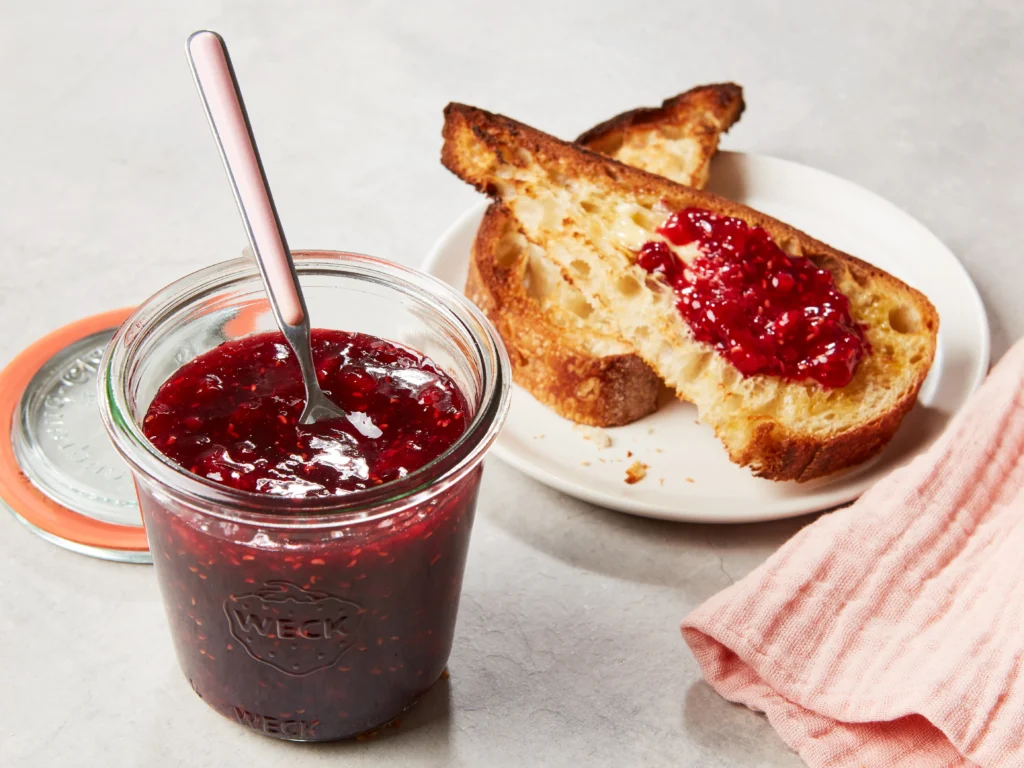
As we embark on this culinary journey, let’s start by exploring the world of marmellata and confettura. While often used interchangeably, these terms have distinct meanings in the world of food preservation. So, what’s the difference between marmellata and confettura?
Marmellata vs Confettura: Understanding the Difference
As of 1982, a European Union directive has defined marmellata specifically as a product obtained from the cooking of citrus fruits (oranges, mandarins, lemons), whereas any other fruit-based product is referred to as confettura. In simpler terms, when we talk about marmellata, we’re talking about citrus-based jams, while lamponi jam should be labeled as confettura.
Now that we’ve covered the technical aspects, let’s dive into the fun part – making a delicious lamponi jam! In this article, we’ll explore two different recipes: one with and one without sugar. We’ll also discuss the benefits of using natural sweeteners and how to avoid botulism when preserving food at home.
The Joy of Making Lamponi Jam
Lamponi are delicate fruits that can be consumed fresh or used in a variety of sweet treats, including jams and preserves. The beauty of making lamponi jam lies in its simplicity and flexibility. You can experiment with different ingredients and flavor combinations to create unique recipes.
Ingredients for Traditional Lamponi Jam
For our traditional recipe, we’ll need the following ingredients:
- 1 kg of lamponi
- 800g of sugar
- 1 mela (apple)
- 20g of lemon zest
- Freshly squeezed lemon juice
The Art of Making Traditional Lamponi Jam
To make our jam, follow these steps:
- Wash the lamponi thoroughly and let them dry on a clean towel or paper towels.
- Peel the apple and chop it into small pieces.
- In a saucepan, combine the lamponi and apple pieces over medium heat. Cook for 10 minutes.
- Add sugar, lemon zest, and freshly squeezed lemon juice to the mixture. Stir well and continue cooking for another 15 minutes.
- Reduce heat to low and let the jam simmer until it reaches your desired consistency. Be sure to stir occasionally to prevent burning.
Tips and Variations
For a more natural approach, consider using less sugar or opting for alternative sweeteners like honey or maple syrup. Keep in mind that reducing sugar content may affect the jam’s texture and shelf life. If you prefer a sweeter jam, simply increase the amount of sugar to your taste.
One popular variation is adding other fruits to create unique flavor combinations. For example, try pairing lamponi with peaches or pineapple for a sweet and tangy twist on the traditional recipe.
Lamponi Jam without Sugar: A Healthier Alternative
If you’re watching your sugar intake or prefer a more natural sweetener, try making lamponi jam with less sugar. Simply reduce the amount of sugar in the traditional recipe and add a mela (apple) for every 500g of lamponi used.
Lamponi Jam without Sugar: A Healthier Alternative
For those looking to avoid added sugars altogether, consider using only fresh fruit and natural sweeteners like stevia or monk fruit. However, keep in mind that reducing sugar content can result in a longer cooking time, so be patient!
Avoiding Botulism: Preserving Food Safety
When working with raw fruits and preserving them at home, it’s crucial to maintain proper food safety standards. Always work in clean environments, follow proper sterilization techniques for vases and utensils, and consult reputable sources for guidance on safe canning practices.
Here are some additional tips to ensure your homemade jam is safe to eat:
- Use a candy thermometer to check the jam’s temperature, which should reach 220°F (104°C) for proper sterilization.
- Sterilize equipment thoroughly by submerging them in boiling water or using a dishwasher with a sanitizing cycle.
- Always store sealed jars of jam in a cool, dry place away from direct sunlight.
Growing Your Own Lamponi
If you’re interested in growing your own lamponi, here are some tips to get you started:
- Choose a variety of lamponi that is well-suited for your climate and soil type.
- Plant lamponi trees or bushes in well-draining soil with full sun exposure.
- Water regularly and fertilize lightly to promote healthy growth.
Raspberry Ketone: An Integrator with Lamponi
Raspberry ketone is a natural compound found in raspberries and other fruits. It has been shown to have potential health benefits, including:
- Antioxidant properties
- Anti-inflammatory effects
- Potential weight loss aid
When using raspberry ketone as an integrator with lamponi, keep the following tips in mind:
- Use high-quality raspberry ketone supplements or fresh raspberries for optimal results.
- Start with a small amount and adjust to taste, as raspberry ketone can be potent.
- Consult with a healthcare professional before using raspberry ketone for medicinal purposes.
Frequently Asked Questions
Q: Can I make lamponi jam without sugar?
A: Yes! By reducing sugar content or opting for alternative sweeteners, you can create a healthier and more natural version of your favorite jam.
Q: How do I prevent botulism when preserving food at home?
A: Always follow proper sterilization techniques for vases and utensils, work in clean environments, and consult reputable sources for guidance on safe canning practices.
Q: Can I use raspberries as an alternative to lamponi?
A: While not the same, you can experiment with different fruits and flavor combinations to create unique recipes. Keep in mind that cooking times may vary depending on fruit type.
Q: What is raspberry ketone and how does it interact with lamponi?
A: Raspberry ketone is a natural compound found in raspberries and other fruits. It has been shown to have potential health benefits, but more research is needed to confirm its effects.
Q: How do I store my homemade lamponi jam?
A: Store your jarred jam in a cool, dry place away from direct sunlight. Check the seal regularly for any signs of spoilage or leaks.
Q: Can I make lamponi jam in advance?
A: Yes! Homemade jam can be stored for several months if sealed properly and kept at room temperature. For longer storage, consider canning or freezing your jam.
Q: What are some common mistakes to avoid when making lamponi jam?
A: Common errors include overcooking the jam, not using enough sugar, or failing to sterilize equipment properly.
Conclusion
Making lamponi jam is a fun and rewarding process that allows you to experiment with different flavors and ingredients. By following these simple recipes and tips, you’ll be well on your way to creating delicious homemade jams that will impress your friends and family. Remember to always prioritize food safety when preserving food at home, and enjoy the many benefits of making your own jam!


