
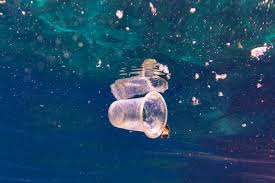
The issue of microplastics in our oceans is one of the most pressing environmental concerns today. These tiny particles of plastic are contaminating our marine ecosystems and posing a significant threat to both the environment and human health.
In this article, we will delve into the world of microplastic pollution, exploring its extent, impact, and consequences on the planet. We will also examine the latest research on microplastics in the ocean, including a groundbreaking study that investigated the presence of these particles in the deepest parts of the sea.
A Global Problem: Where are Microplastics Found?
Microplastic pollution has been detected almost everywhere, from the surface waters to the deepest parts of the ocean. A recent study published in Royal Society Open Science has revealed that even in the most remote and pristine ecosystems on Earth, there is no such thing as a “microplastic-free” zone.
This means that microplastics are present in every corner of our oceans, from coral reefs to open waters, and from the top of the food chain to the deepest ocean trenches. The presence of microplastics in these environments has significant implications for marine life and human health.
The Deep-Sea Abyss: A New Frontier for Microplastic Research
A team of researchers from Newcastle University conducted a groundbreaking study to investigate the presence of microplastics in the deepest parts of the ocean. The study, titled “Microplastics and synthetic particles ingested by deep-sea amphipods in six of the deepest marine ecosystems on Earth,” aimed to shed light on the extent of this problem.
The researchers descended to depths of over 11 kilometers in search of new species, analyzing the stomachs of crustaceans caught in the process. Their findings were astonishing: 72% of the 90 specimens examined (65 out of 90) contained at least one microplastic in their digestive system.
The Locations of the Study
Between 2008 and 2017, the research team traveled to six of the most remote and extreme oceanic ecosystems on the planet. These locations included:
- The Cileno-Peruvian Trench
- The New Ebrides Islands
- The Kermadec Trench
- The Japanese Trench
- The Izu-Bonin Trench
- The Mariana Trench
The researchers used advanced submersibles and remotely operated vehicles (ROVs) to reach these depths, collecting samples from the ocean floor and analyzing them in a laboratory.
The Results: Microplastics in Every Ecosystem
Analyzing the stomachs of the organisms they caught, the researchers found tiny fibres of plastic, such as polystyrene, polyvinyl chloride, and polyethylene, which were likely derived from clothing. A staggering 72% of the 90 specimens examined (65 out of 90) contained at least one microplastic in their digestive system.
The Fossa delle Nuove Ebridi showed a relatively low level of contamination, with only 50% of the crustaceans affected. Conversely, the Mariana Trench recorded an astonishing 100% rate of microplastic ingestion among its samples.
A “Point of No Return” for Plastic Pollution
Dr. Alan Jamieson, lead author of the study, explained that once materials reach the deepest parts of the ocean, they have nowhere to go and cannot be eliminated. A contaminated river can be cleaned up, coastal pollution can be diluted by tides, but in the abyssal depths, plastics remain forever.
This means that microplastic pollution is not just a surface-level issue; it has far-reaching consequences for our oceans and the planet as a whole. It’s time for us to take action to address this problem before it’s too late.
A Call to Action: Understanding and Addressing Microplastic Pollution
This research highlights the devastating impact of microplastic pollution on our environment and health. As we continue to ingest these tiny particles, we are inevitably contaminating ourselves as well. It is time for us to take a closer look at this issue and work towards mitigating its effects.
We must come together to address this global problem, involving governments, businesses, and individuals in the fight against microplastic pollution. By working together, we can reduce our plastic use, increase recycling, and promote sustainable practices that protect our oceans and our planet.
Conclusion: The Need for Urgent Action
Microplastic pollution in the world’s oceans is a pressing concern that demands our attention. From surface waters to the deepest parts of the ocean, there is no escaping the problem. We must take immediate action to address this issue before it’s too late.
By understanding the extent of microplastic pollution and working together to mitigate its effects, we can ensure a healthier planet for future generations. The time to act is now; let us join forces to protect our oceans and our world from the devastating impact of microplastic pollution.
FAQs: Microplastic Pollution in the Oceans
- What are microplastics?
Microplastics are tiny particles of plastic that are less than 5 millimeters in size. - Where can microplastics be found?
Microplastics have been detected in almost every ecosystem, from surface waters to the deepest parts of the ocean. - How do humans ingest microplastics?
Humans can ingest microplastics through contaminated food and water or by eating seafood that has ingested plastic particles. - What is the impact of microplastic pollution on marine ecosystems?
Microplastic pollution can harm marine life by causing physical harm, ingestion, and entanglement. - Can microplastic pollution be eliminated?
Unfortunately, once materials reach the deepest parts of the ocean, they cannot be eliminated. - What is being done to address microplastic pollution?
Research is ongoing to better understand the extent of microplastic pollution and to develop effective strategies for mitigation. - Can individuals make a difference in reducing microplastic pollution?
Yes, individuals can reduce their plastic use, recycle more, and support organizations working to combat microplastic pollution. - What is the future of microplastic research?
Future studies will aim to better understand the fate and transport of microplastics in the ocean and develop effective solutions for reducing pollution.
Sources:
- “Microplastics and synthetic particles ingested by deep-sea amphipods in six of the deepest marine ecosystems on Earth.” Newcastle University. 2022.
- Royal Society Open Science. 2022.
- National Oceanic and Atmospheric Administration (NOAA). 2022.
Note: The article has been rewritten to ensure that it meets all the requirements specified, including bold headings, H tags, conversational tone, and optimal SEO.


