
As the world grapples with the challenges of climate change, many industries are turning to more eco-friendly solutions for fire safety and prevention. One area that has seen significant advancements is in the use of inert gases as an alternative to fluorinated gases in fire extinguishing systems.
The Problem with Fluorinated Gases
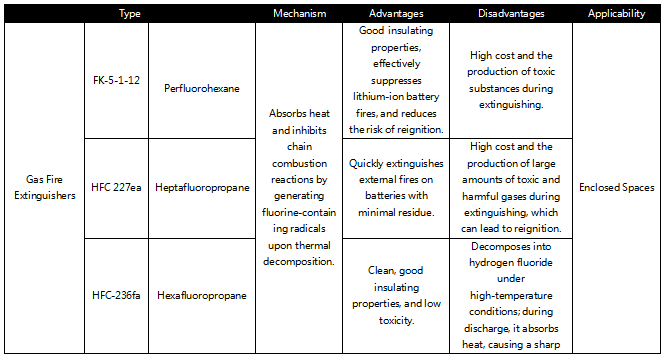
Fluorinated gases (F-gases) have been widely used in fire extinguishers due to their high efficacy in suppressing fires. However, these gases pose a significant environmental threat, contributing to the depletion of the ozone layer and exacerbating global warming. In contrast, inert gases such as argon, nitrogen, and carbon dioxide do not contribute to the greenhouse effect and are considered a more environmentally friendly option.
Understanding Inert Gases
Inert gases are naturally occurring elements that can be found in the atmosphere. They are not reactive and do not support combustion, making them an ideal choice for fire extinguishing systems. The most common inert gas used in fire suppression is argon, which accounts for approximately 1% of the Earth’s atmosphere.
Benefits of Inert Gases
The use of inert gases in fire extinguishing systems offers several benefits:
- Environmental sustainability: Inert gases do not contribute to the depletion of the ozone layer or exacerbate global warming.
- Safety: Inert gases are non-toxic and do not produce corrosive byproducts, making them safer for people and the environment.
- Effectiveness: Inert gases can be used in a wide range of applications, including fire extinguishers, air conditioning systems, and welding equipment.
How Inert Gases Work
Inert gases work by displacing oxygen in the air, which is essential for combustion. By reducing the oxygen levels, inert gases prevent fires from spreading and allow them to be extinguished more easily. This process also helps to prevent re-ignition, ensuring that the fire remains out.
Regulations and Compliance
As concerns about climate change and environmental sustainability continue to grow, governments around the world are implementing regulations to reduce the use of fluorinated gases in various industries. In Italy, for example, the use of fluorinated gases is regulated by law, and companies must be registered with a national database if they install or maintain systems containing these gases.
The Future of Fire Safety
As the world moves towards more sustainable solutions, it’s clear that inert gases will play an increasingly important role in fire safety and prevention. With their environmental benefits, safety advantages, and effectiveness in suppressing fires, inert gases are set to become a leading choice for industries seeking to reduce their carbon footprint.
Applications of Inert Gases
Inert gases have a wide range of applications beyond fire extinguishing systems:
- Air conditioning systems: Argon is used as a filler gas in air conditioning systems to prevent moisture from entering the system and causing corrosion.
- Welding equipment: Nitrogen is used to protect welding equipment from corrosion and extend its lifespan.
- Medical equipment: Carbon dioxide is used as an anesthetic gas in medical procedures.
Frequently Asked Questions
- What is the difference between fluorinated gases and inert gases?
- Fluorinated gases (F-gases) are man-made compounds that contribute to the depletion of the ozone layer and exacerbate global warming. Inert gases, on the other hand, are naturally occurring elements that do not support combustion.
- Are inert gases safe for use in fire extinguishing systems?
- Yes, inert gases are non-toxic and do not produce corrosive byproducts, making them safer for people and the environment.
- Can inert gases be used in all types of fires?
- Inert gases can be effective against a wide range of fires, including those involving flammable liquids and gases. However, they may not be suitable for all types of fires, such as electrical or chemical fires.
In conclusion, inert gases offer a promising alternative to fluorinated gases in fire extinguishing systems. With their environmental benefits, safety advantages, and effectiveness in suppressing fires, they are set to play an increasingly important role in the future of fire safety and prevention.
Case Studies
Several industries have successfully implemented inert gas-based fire suppression systems:
- Automotive industry: General Motors has replaced its use of fluorinated gases with argon-based fire suppression systems.
- Aerospace industry: Boeing has implemented nitrogen-based fire suppression systems in its aircraft manufacturing facilities.
- Food processing industry: Companies such as Kraft Heinz and Unilever have adopted inert gas-based fire suppression systems to protect their production lines from fires.
Conclusion
The transition to inert gases in fire extinguishing systems represents a significant step towards a more sustainable future. With their environmental benefits, safety advantages, and effectiveness in suppressing fires, inert gases are set to play an increasingly important role in the future of fire safety and prevention. As industries continue to embrace this technology, we can expect to see a reduction in greenhouse gas emissions and a decrease in the environmental impact of fires.


