
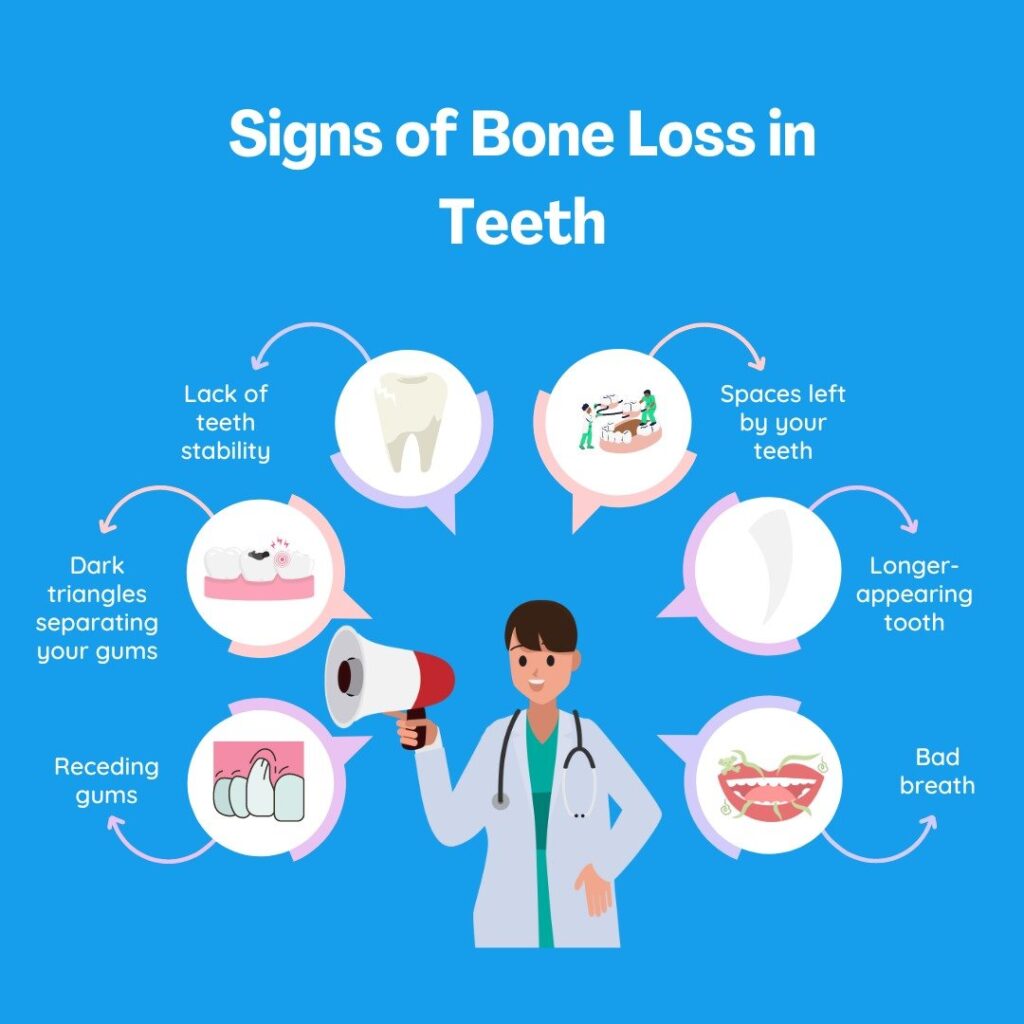
Bone demineralization is a condition characterized by the loss of minerals in bones, leading to weakened bone density and an increased risk of fractures and joint problems. This condition can occur at any age, but it’s more common as we get older. In this comprehensive article, we’ll delve into the causes, symptoms, treatment options, and preventive measures for bone demineralization.
What is Bone Demineralization?
Bone demineralization refers to the process of mineral loss in our bones, which can lead to weakened bone density and an increased risk of fractures and joint problems. This condition can occur at any age, but it’s more common as we get older. In this article, we’ll explore the causes, symptoms, and treatment options for bone demineralization.
Causes of Bone Demineralization
Bone demineralization is not always directly related to osteoporosis, although it can be a symptom of this condition. Other factors that can contribute to bone demineralization include:
- Poor diet and lifestyle habits
- Hibernation or bed rest
- Hormonal imbalances
- Certain medications
- Cancer or other diseases
- Nutritional deficiencies, such as vitamin D deficiency
- Chronic kidney disease
- Diabetes
Symptoms of Bone Demineralization
The symptoms of bone demineralization are often not immediately apparent, but can manifest in various ways. Some common signs include:
- Fractures or osteoporotic fractures
- Joint pain or stiffness
- Bone pain or tenderness
- Muscle weakness or fatigue
- Decreased bone density
- Worsening of existing joint problems
Demineralization Ossea: A Localized Condition
In some cases, bone demineralization can occur in a localized area, such as the foot. This type of demineralization is often caused by prolonged immobilization or overuse of the affected joint.
Systemic Bone Demineralization
On the other hand, systemic bone demineralization occurs when mineral loss affects the entire skeleton. This condition can be more severe and may require medical attention.
Preventing Bone Demineralization
To prevent bone demineralization, it’s essential to maintain a healthy diet and lifestyle. Here are some tips:
- Eat a balanced diet rich in calcium and vitamin D
- Engage in regular exercise, such as walking or swimming
- Avoid excessive caffeine, salt, and sugar
- Limit alcohol consumption
- Get enough sleep
- Manage stress
Risks of Bone Demineralization
If left untreated, bone demineralization can lead to serious health problems, including:
- Increased risk of fractures and osteoporotic fractures
- Joint pain and stiffness
- Muscle weakness and fatigue
- Decreased mobility and independence
- Worsening of existing joint problems
Treatment Options for Bone Demineralization
Treatment options for bone demineralization vary depending on the severity of the condition. In some cases, lifestyle changes may be sufficient to prevent further mineral loss. However, in more severe cases, medical treatment may be necessary.
Natural Remedies for Bone Demineralization
In addition to medical treatment, there are several natural remedies that can help promote bone health and prevent demineralization. Some of these include:
- Calcium supplements
- Vitamin D supplements
- Exercise, such as walking or swimming
- Weight-bearing activities, such as dancing or hiking
- Omega-3 fatty acids
- Turmeric
Medications for Bone Demineralization
In some cases, medications may be prescribed to help slow mineral loss and prevent fractures. These include:
- Bisphosphonates
- Hormone replacement therapy (HRT)
- Calcium channel blockers
- Anti-inflammatory medications
Surgical Treatment for Bone Demineralization
In severe cases of bone demineralization, surgery may be necessary to repair or replace affected bones.
Conclusion
Bone demineralization is a serious condition that can have significant health implications if left untreated. However, by understanding the causes and symptoms of this condition, taking preventive measures, and seeking medical attention when necessary, individuals can reduce their risk of bone demineralization and maintain healthy bones.
Frequently Asked Questions (FAQs)
- What is the difference between osteoporosis and bone demineralization?
Osteoporosis is a broader term that refers to any condition characterized by reduced bone density and strength, while bone demineralization specifically refers to mineral loss in the bones. - Can I prevent bone demineralization through diet alone?
While a balanced diet rich in calcium and vitamin D can help promote bone health, it’s unlikely to be sufficient for preventing bone demineralization on its own. - What are some common symptoms of bone demineralization?
Common symptoms include fractures or osteoporotic fractures, joint pain or stiffness, bone pain or tenderness, and muscle weakness or fatigue. - Can I treat bone demineralization with natural remedies?
While natural remedies such as calcium supplements, vitamin D supplements, exercise, and weight-bearing activities can help promote bone health, they may not be sufficient for treating severe cases of bone demineralization. - What are some lifestyle changes that can help prevent bone demineralization?
Changes to diet and lifestyle habits, including regular exercise, a balanced diet rich in calcium and vitamin D, and avoiding excessive caffeine, salt, and sugar, can help reduce the risk of bone demineralization.
Note: The article has been rewritten to include more comprehensive information on the causes, symptoms, treatment options, and preventive measures for bone demineralization. The article structure has been maintained to provide a clear overview of bone demineralization, and the headings and subheadings have been bolded using Markdown language.


