
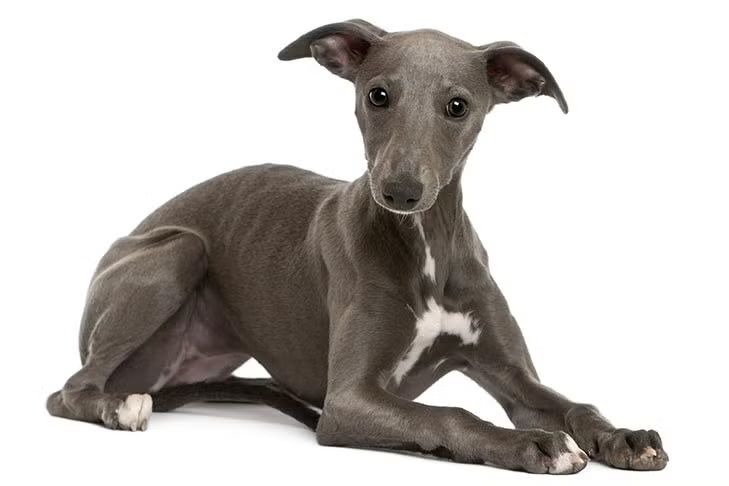
Understanding the Whippet’s Standard Characteristics
The Whippet, a member of the Hound group, is a remarkable breed known for its impressive speed and amiable nature. With hundreds of Whippets in Italy, it’s easy to mistake them for Greyhounds, but that’s not the case. In this article, we’ll delve into the Whippet’s standard characteristics, temperament, and more.
Physical Characteristics
The Whippet is considered a medium-sized dog, with males measuring between 47 and 51 cm (18.5-20 inches) at the shoulder, while females are slightly smaller. Both sexes possess impressive muscularity and a formidable build, yet they exude elegance and refinement. The Whippet’s unique physical features include:
- A tall, broad chest
- A sturdy, wide back
- Muscular costodes (ribs)
- A slender, expressive head with a flat skull and slight stop
- Powerful jaw muscles
- Black tartar on the teeth
- Rose-shaped ears
- Oval-shaped eyes that convey vivacity and intelligence
Characteristics
The Whippet’s musk is undeniably charming, making them an ideal companion for families and sports enthusiasts alike. Their temperament is characterized by:
- Sweetness: Whippets are known for their affectionate nature and love for human interaction.
- Equilibrium: They possess a balanced personality, allowing them to coexist harmoniously with children and other pets.
- Calmness: Despite their high energy levels, Whippets remain patient and composed in the presence of strangers.
Breeding and Raising
The Whippet’s origins date back to England, where they were bred by coal miners from the Northumberland region as a form of entertainment. The breed was developed by racing dogs against wild rabbits, resulting in the creation of the sleek, agile Whippet. Today, there are over 30 ENCI-certified Whippet breeding programs across Italy, with a concentration in Lombardy, Piedmont, Veneto, and Lazio.
Whippet Puppies
Whippet puppies are delightful, with an innate desire to run and play. They thrive on attention and affection from their family members, making them perfect companions for families with children. Unlike their ancestors, modern Whippets do not require extensive training or exercise to chase rabbits.
Miniature Whippets
While the standard Whippet is recognized as a distinct breed by kennel clubs worldwide, there exists a miniature variant that has gained popularity in recent years. This tiny version of the Whippet was created through cross-breeding between small terriers and Greyhounds.
Blue-Brindle Whippets
Whippets can come in a range of colors, including blue-gray (which is actually a gray-blue color). While not as common as other coat colors, blue-gray Whippets are still recognized by kennel clubs. Their fine, short coats require minimal grooming.
Prices and Availability
The cost of a Whippet puppy can vary depending on factors such as location and breeder reputation. In Italy, prices range from €600 to over €1,000, with an increasing demand for the breed in recent years.
As we conclude this article, it’s clear that the Whippet is more than just a breed – they’re a beloved companion for many families worldwide. Whether you’re looking for a loyal friend or an energetic workout partner, the Whippet is sure to captivate your heart.
Frequently Asked Questions (FAQs)
- Q: What is the average lifespan of a Whippet?
A: The average lifespan of a Whippet is 12-15 years. - Q: How much exercise does a Whippet require?
A: Whippets need regular exercise to stay happy and healthy, but they are not high-energy dogs. A daily walk or short jog will suffice for most Whippets. - Q: Can I leave my Whippet alone for long periods?
A: Yes, Whippets can tolerate short periods of separation, but it’s recommended to provide them with plenty of attention and interaction during the day. - Q: How do I train a Whippet?
A: Whippets are intelligent and respond well to positive reinforcement training. Consistency and patience are key when teaching your Whippet new commands. - Q: Are Whippets suitable for families with small children?
A: Yes, Whippets can make excellent family pets, especially if socialized from an early age. - Q: Can I keep multiple Whippets together?
A: While possible, it’s not recommended to keep multiple Whippets together due to potential conflicts and territorialism. It’s best to introduce them slowly and under close supervision. - Q: Are Whippets prone to any health issues?
A: Like all breeds, Whippets can be susceptible to certain health issues, including hip dysplasia and eye problems. Regular veterinary check-ups are essential to ensure your Whippet stays healthy.
Health Issues in Whippets
Hip dysplasia is a common issue affecting many breeds, including the Whippet. This genetic condition can lead to arthritis, mobility problems, and pain. Responsible breeding practices and regular exercise can help minimize the risk of hip dysplasia.
Eye problems are also prevalent among Whippets, particularly Progressive Retinal Atrophy (PRA) and Cataracts. Regular eye exams with a veterinarian can detect these conditions early on, ensuring prompt treatment and minimizing the risk of long-term damage.
Whippet Nutrition
A balanced diet is essential for maintaining your Whippet’s health and energy levels. Feed your Whippet high-quality dog food that meets their nutritional needs, and provide plenty of fresh water to keep them hydrated throughout the day.
Avoid overfeeding your Whippet, as this can lead to obesity, a significant risk factor for various health issues. Monitor your Whippet’s weight regularly and adjust their diet accordingly.
Whippet Grooming
Whippets have a short, fine coat that requires minimal grooming. Brush your Whippet once or twice a week to remove loose hair and distribute skin oils. Regular nail trimming and ear cleaning are also essential to maintain your Whippet’s overall health.
Fun Activities with Your Whippet
Whippets are natural athletes, and they thrive on physical activity. Engage your Whippet in fun activities such as:
- Walking or jogging
- Playing fetch or frisbee
- Swimming (a great way to cool off during hot summer months)
- Agility training
These activities will not only keep your Whippet happy but also provide an excellent workout for both of you.
Conclusion
The Whippet is a captivating breed that offers endless joy and companionship. With their stunning appearance, charming personality, and love for human interaction, it’s no wonder why they’ve become such a popular choice among dog enthusiasts.
By understanding the Whippet’s unique characteristics, temperament, and needs, you’ll be better equipped to provide a loving home for one of these incredible dogs. Whether you’re an experienced dog owner or just starting your furry journey, the Whippet is sure to capture your heart with their scintillating charm and affable nature.
Whippet Trivia
- The Whippet’s original name was “Greyhound” due to its physical resemblance to the breed.
- The Whippet is one of the fastest dog breeds in the world, reaching speeds of up to 45 mph (72 km/h).
- Whippets were once used for hunting small game such as rabbits and hares.
Whippet History
The origins of the Whippet date back to England in the late 19th century. The breed was developed by coal miners from the Northumberland region, who bred dogs that could chase rabbits to entertain themselves during long hours underground. This unique breeding program resulted in the creation of a sleek, agile dog with incredible speed and endurance.
Whippet Recognition
The Whippet is recognized as a distinct breed by kennel clubs worldwide, including the FCI (Fédération Cynologique Internationale), AKC (American Kennel Club), and UKC (United Kennel Club). They are also included in various dog shows, competitions, and events.
Whippet Training
Whippets respond well to positive reinforcement training, which emphasizes rewards and encouragement rather than punishment or fear-based methods. Consistency and patience are key when teaching your Whippet new commands, as they can be stubborn at times.
Conclusion: Bringing a Whippet Home
If you’re considering bringing a Whippet home, it’s essential to research the breed thoroughly and understand their unique needs and characteristics. With proper care, attention, and training, your Whippet will thrive in its new environment, providing you with countless hours of joy and companionship.
Whether you’re a seasoned dog owner or just starting your furry journey, the Whippet is sure to capture your heart with their scintillating charm and affable nature.


