
Introduction
As one of the most beautiful butterflies in Italy, the macaon butterfly (Papilio machaon) is a popular sight among nature enthusiasts. But how much do we really know about this stunning insect? In this article, we’ll delve into the life cycle of the macaon butterfly, from its larval stage to adulthood, and explore ways to attract these beautiful creatures to your garden.
What is the Macaon Butterfly?
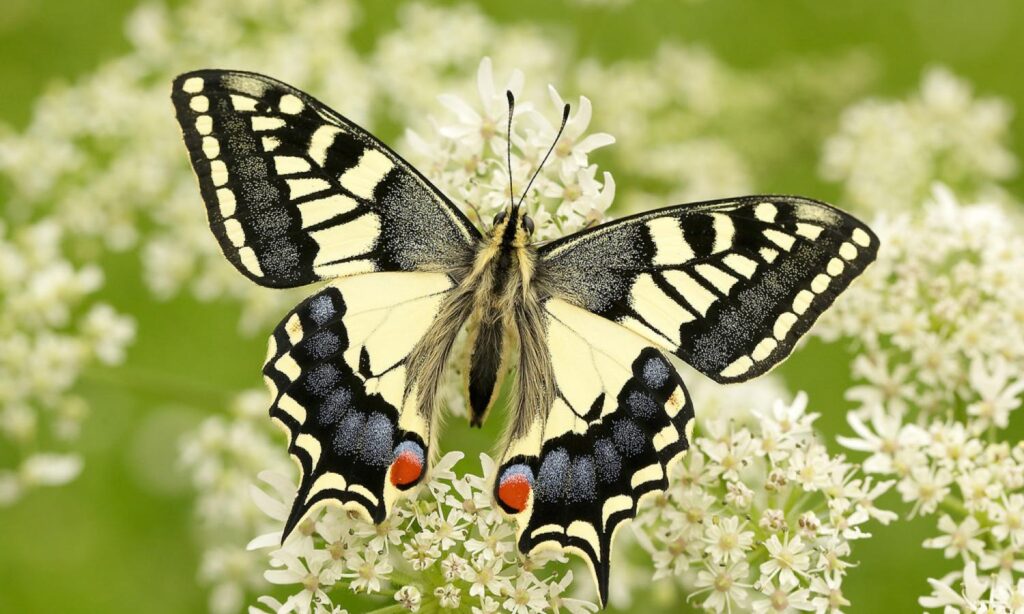
The macaon butterfly is a type of swallowtail butterfly that is native to Europe and Asia. Its distinctive yellow-ochre wings are adorned with black spots and veins, while its posterior wings feature two metallic blue spots and two red points surrounded by azure. The macaon butterfly’s body is a striking shade of green, with white stripes running along its sides.
Distinguishing the Macaon from the False Macaon
While the macaon butterfly is often confused with the false macaon (Iphiclides podalirius), there are some key differences between the two. The most notable difference is in the shape of the posterior wings, which feature a large ocular spot on the false macaon. Additionally, the stripes on the sides of the false macaon’s body are brown-red, while those on the macaon are white.
The Life Cycle of the Macaon Butterfly
The life cycle of the macaon butterfly is a complex process that involves several stages: egg, larva, pupa, and adult. The female macaon butterfly lays her eggs on the underside of leaves, where they hatch into larvae within 2-3 days.
Larval Stage (Braconid)
The larval stage of the macaon butterfly is also known as the braconid. During this stage, the larva eats and grows, shedding its skin several times as it outgrows it. The larva is green with white stripes running along its sides and features a pair of small, orange horns on its head.
Pupal Stage (Chrysalis)
When the larva reaches full size, it spins a silk pad and attaches itself to a leaf or twig using a thin thread. It then forms a chrysalis, which is essentially a protective casing for the pupa. The chrysalis is green with white stripes running along its sides and features a pair of small, orange horns on its head.
Adult Stage
After several weeks, the adult butterfly emerges from the chrysalis. Its wings are initially soft and folded, but as it pumps blood into them, they expand and dry, ready for flying. The adult macaon butterfly is a beautiful sight to behold, with its striking yellow-ochre wings and metallic blue spots.
Habitat and Diet
The macaon butterfly can be found in open areas such as meadows, fields, and gardens. It feeds on nectar from flowers, particularly those that are rich in nutrients like carotenoids and flavonoids.
How to Attract Macaon Butterflies to Your Garden
To attract macaon butterflies to your garden, you’ll want to create a welcoming environment that features the plants they love. Here are some tips:
- Plant carotene-rich flowers: Carrots, sweet potatoes, and other carotenoid-rich plants are perfect for attracting macaon butterflies.
- Use native plants: Choose plants that are native to your region, as these will be more attractive to local butterfly species like the macaon.
- Provide a source of water: Macaon butterflies need water to drink and to help them regulate their body temperature.
- Avoid using pesticides: Pesticides can harm or kill macaon butterflies, so it’s essential to avoid using them in your garden.
By following these tips, you can create a welcoming environment for macaon butterflies and enjoy watching these beautiful insects flit about your garden.
Conclusion
The life cycle of the macaon butterfly is a fascinating process that involves several stages: egg, larva, pupa, and adult. By understanding more about this beautiful insect, we can better appreciate its importance in our ecosystem and take steps to protect it. Whether you’re a seasoned gardener or just starting out, there are plenty of ways to attract macaon butterflies to your garden.
Frequently Asked Questions
Q: How long does the life cycle of the macaon butterfly last?
A: The entire life cycle of the macaon butterfly can take up to a year, from egg to adult.
Q: What do macaon butterflies eat?
A: Macaon butterflies feed on nectar from flowers, particularly those that are rich in nutrients like carotenoids and flavonoids.
Q: Can I keep macaon butterflies in captivity?
A: While it’s possible to keep macaon butterflies in a terrarium or other enclosure, they require specialized care and housing. It’s best to observe them in their natural habitat.
Q: How do I protect macaon butterflies from harm?
A: To protect macaon butterflies from harm, avoid using pesticides and herbicides, provide a source of water, and create a welcoming environment by planting native flowers and providing shelter.
Q: Can I attract other butterfly species to my garden besides the macaon?
A: Yes! Many butterfly species are attracted to similar plants and environments. By creating a diverse and welcoming garden, you can attract a variety of butterflies beyond just the macaon.
Q: How often do macaon butterflies emerge from their chrysalis?
A: Macaon butterflies typically emerge from their chrysalis after several weeks, although this can vary depending on factors like temperature and humidity.
Q: Can I feed macaon butterflies nectar directly from a flower?
A: While it’s tempting to offer macaon butterflies nectar from flowers, they actually prefer to drink nectar from water rather than collecting it directly from the flower.


