
As a gardener, choosing the right fertilizer for your plants is crucial for their growth and health. Two common types of fertilizers are organic and mineral-based. But what’s the difference between them? In this article, we’ll explore the benefits and drawbacks of each type of fertilizer and help you decide which one is best for your garden.
What Are Fertilizers?
Fertilizers provide essential nutrients to plants, such as nitrogen (N), phosphorus (P), and potassium (K). These macronutrients are necessary for plant growth, development, and reproduction. In addition to these three main nutrients, fertilizers may also contain micronutrients like calcium, magnesium, sulfur, and iron.
Organic vs. Mineral Fertilizers
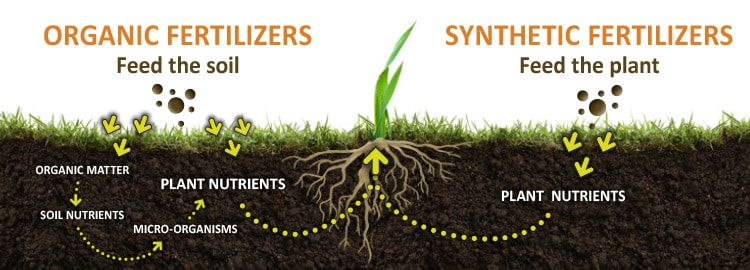
Organic fertilizers are derived from natural sources, such as animal waste, compost, or green manure. They release nutrients slowly over time, allowing plants to absorb them gradually. Mineral fertilizers, on the other hand, are made from inorganic compounds like ammonium nitrate or urea.
The main difference between organic and mineral fertilizers is how they provide essential nutrients to plants. Organic fertilizers decompose more slowly, while mineral fertilizers release nutrients immediately.
Types of Organic Fertilizers
Some common types of organic fertilizers include:
- Manure (animal waste): Manure from animals like cows, pigs, and horses is a rich source of nutrients for plants. It’s high in nitrogen, phosphorus, and potassium.
- Compost: Compost is made from decomposed organic matter like food scraps, leaves, and grass clippings. It’s a slow-release fertilizer that provides essential nutrients to plants.
- Green manure: Green manure is a type of crop that’s grown specifically for its nutrient content. It’s often used as a cover crop to improve soil health and fertility.
- Bone meal: Bone meal is made from animal bones and is high in phosphorus, which is essential for plant growth and development.
- Fish bone meal: Fish bone meal is made from ground fish bones and is high in nitrogen, phosphorus, and potassium.
These fertilizers are rich in nutrients and can be used to improve soil fertility and promote healthy plant growth.
Types of Mineral Fertilizers
Mineral fertilizers come in various forms, such as:
- Simple mineral fertilizers (e.g., ammonium nitrate): Simple mineral fertilizers are made from inorganic compounds like ammonium nitrate or urea. They provide essential nutrients quickly but may not be suitable for all plants.
- Complex mineral fertilizers (e.g., urea): Complex mineral fertilizers are made from a mixture of minerals and organic matter. They provide essential nutrients slowly over time, allowing plants to absorb them gradually.
- Organic-mineral blends: Organic-mineral blends combine the benefits of both organic and mineral fertilizers. They’re often used as a slow-release fertilizer to promote healthy plant growth.
These fertilizers are widely available and can be used to improve soil fertility and promote healthy plant growth.
Which One is Better?
It’s difficult to say whether organic or mineral fertilizers are better. Both types of fertilizers have their benefits and drawbacks. Here are some pros and cons of each:
Organic Fertilizers:
Pros:
- Release nutrients slowly, reducing soil pH fluctuations
- Promote beneficial microorganisms in the soil
- Can be made from locally sourced materials
- Provide a balanced nutrient profile
Cons:
- May not provide immediate results
- Can be expensive to produce and apply
- May require more time and effort to prepare
Mineral Fertilizers:
Pros:
- Provide immediate results
- Often cheaper than organic fertilizers
- Available in a wide range of forms and concentrations
- Easy to apply
Cons:
- Can lead to soil pH imbalances if not used correctly
- May harm beneficial microorganisms in the soil
- Limited nutrient profile
- Can be toxic to plants if overused
When to Use Organic Fertilizers
Organic fertilizers are best suited for gardens where you want to promote healthy plant growth and soil health. They’re often used in:
- Permaculture gardens: Permaculture gardens prioritize sustainable gardening practices, including the use of organic fertilizers.
- Organic farms: Organic farms use natural methods to grow crops, including the use of organic fertilizers.
- Home gardens: Home gardeners who want to promote healthy plant growth and soil health often use organic fertilizers.
When to Use Mineral Fertilizers
Mineral fertilizers are best suited for gardens where you want to provide immediate results. They’re often used in:
- Commercial farming: Commercial farmers may use mineral fertilizers to quickly increase crop yields.
- High-demand gardens: Gardens that require high levels of nutrients, such as orchards or vineyards, may benefit from the use of mineral fertilizers.
Conclusion
Choosing the right fertilizer for your plants is crucial for their growth and health. Organic and mineral fertilizers have different benefits and drawbacks, making them suitable for different types of gardens. By understanding the pros and cons of each type of fertilizer, you can make an informed decision about which one to use in your garden.
Ultimately, the best fertilizer for your garden will depend on your specific needs and goals. Whether you choose organic or mineral fertilizers, remember to always follow proper application rates and guidelines to ensure healthy plant growth and soil health.


