
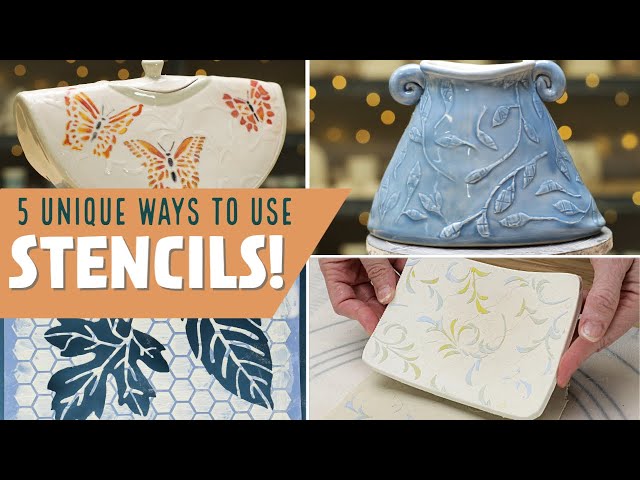
As a popular technique in various fields, stenciling can add a touch of elegance to your home decor, create stunning designs on glass surfaces, and even make unique gifts. In this article, we’ll delve into the world of stenciling, exploring its history, techniques, and applications.
The Basics of Stencil Design
Stencil design is all about replicating existing forms, symbols, or letters using a mask. The “mask,” or stencil, is a specific cutout created on various materials, including paper, plastic, glass, and more. This technique allows you to reproduce identical designs, adding a touch of professionalism to your projects.
Choosing the Right Stencil Support
The support material for your stencil can be either rigid or flexible. Flexible stencils are ideal for creating intricate designs on curved surfaces, such as vases, cars, or other irregular shapes. Rigid stencils, on the other hand, work best for flat surfaces like walls, furniture, and mirrors.
Tips for Choosing the Perfect Stencil Support
When selecting a stencil support, consider the surface you’ll be decorating. For smooth surfaces, rigid stencils are often preferred. However, if you’re working with curved or irregular shapes, flexible stencils may be a better choice. Always opt for a lucid surface to ensure easy cleaning and maintenance.
Creating Your Own Stencil
While store-bought stencils can be found in abundance, the most creative minds choose to create their own designs using materials like paper, cardstock, or even 3D-printed models. To make your own stencil, you’ll need basic art supplies, including drawing tools, adhesives, and a cutting tool.
A Step-by-Step Guide to Creating Your Own Stencil
Creating a stencil from scratch requires patience and creativity. Gather the necessary materials and follow these simple steps:
- Sketch out your design on paper or cardstock.
- Cut out the design using scissors, a craft knife, or a laser cutter.
- Apply adhesive to the back of the cutout.
- Attach the stencil to your surface.
Decorating Glass with Stencils
When it comes to decorating glass surfaces, acid etching is a popular technique. However, stenciling can also be used to create stunning designs on glass using specialized paints and techniques.
Tips for Decorating Glass with Stencils
To achieve professional-looking results when decorating glass with stencils, follow these tips:
- Use high-quality paint specifically designed for acid etching.
- Apply a coat of primer before painting to ensure better adhesion.
- Work in small areas, using a gentle touch to avoid streaks and unevenness.
The Art of Stenciling: A Guide to Getting Started
Stenciling is a versatile technique that can be applied to various fields. Whether you’re looking to decorate your home, create unique gifts, or explore artistic expression, stenciling offers endless possibilities.
- Experiment with different stencil designs and materials.
- Practice makes perfect – don’t be discouraged if your first attempts don’t yield the desired results.
- Join online communities or take classes to learn from experienced artists and designers.
By embracing the art of stenciling, you can unlock a world of creative possibilities and produce stunning results that will leave everyone in awe.
FAQs
- What is stencil design?
Stencil design is a technique used to replicate existing forms, symbols, or letters using a mask. - How do I create my own stencil?
Gather basic art supplies and follow the steps outlined above. - What materials can I use for stenciling?
Various materials can be used for stenciling, including paper, plastic, glass, and more. - Can I decorate glass surfaces with stencils?
Yes, but acid etching is often preferred for its professional-looking results. - How do I apply stencil paint to glass surfaces?
Use high-quality paint specifically designed for acid etching and work in small areas for even coverage. - What are some tips for decorating glass with stencils?
Use primer before painting, work gently to avoid streaks, and practice makes perfect. - Can I use stenciling for commercial purposes?
Absolutely – stenciling can be used in various fields, including graphic design, advertising, and more. - How do I store my stencil after completion?
Keep your stencil clean and dry to prevent damage or degradation over time. - Can I use stenciling for outdoor projects?
Yes, but ensure the stencil is durable enough to withstand weather conditions. - Where can I find more resources on stenciling?
Explore online communities, take classes, or attend workshops to learn from experienced artists and designers.
By exploring the world of stenciling and embracing its creative possibilities, you can unlock a new level of artistic expression and produce stunning results that will leave everyone in awe.


