
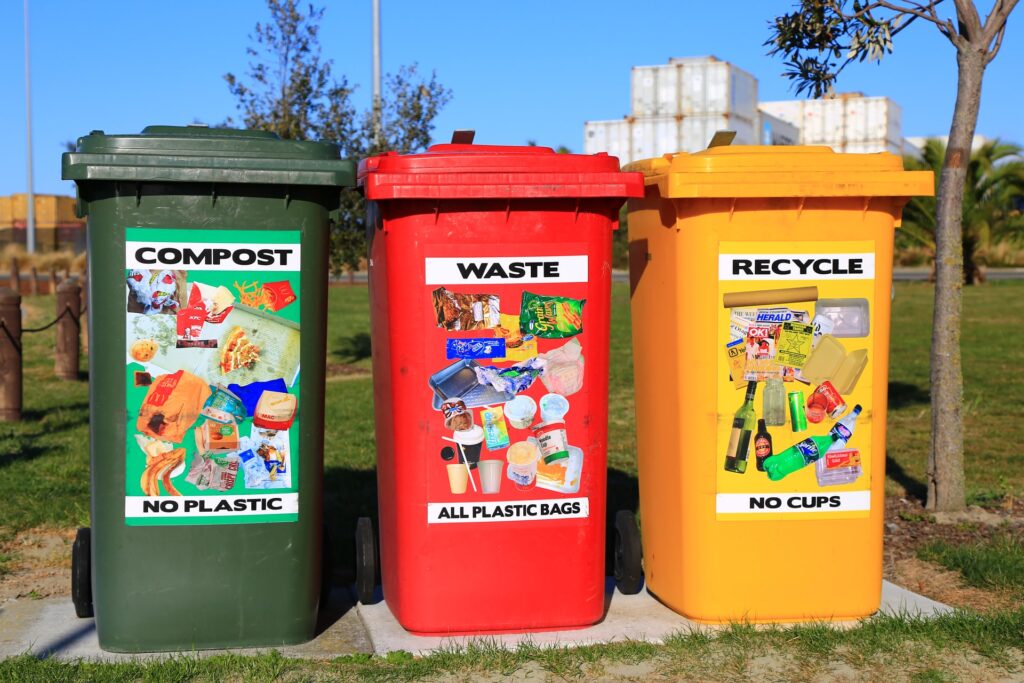
Proper waste sorting is a crucial step in reducing our environmental impact. By separating recyclables from non-recyclables, we can significantly reduce the amount of waste that ends up in landfills and oceans. In this article, we will explore the basics of waste sorting and provide you with a comprehensive guide on how to sort your waste effectively.
Understanding the Importance of Proper Waste Sorting
Proper waste sorting is essential for several reasons:
- Reducing greenhouse gas emissions: By reducing the amount of waste that ends up in landfills, we can reduce methane production.
- Conserving natural resources: Recycling helps conserve raw materials and reduces the need for virgin resources.
- Protecting biodiversity: Proper waste sorting can help protect ecosystems by preventing pollution.
What Can’t Go into Each Type of Bin?
Before we dive into the types of materials that can be recycled or composted, let’s first identify what cannot go into each type of bin. Here are some common items that should not be placed in their respective bins:
- Non-recyclable plastics: Items like straws, bags, and packaging materials made from non-biodegradable plastics.
- Organic waste: Items like meat, dairy products, and cooked food.
- Hazardous waste: Items like batteries, electronics, and chemicals.
Sorting Your Waste into Recyclable Materials
Now that we’ve identified what can’t go into each type of bin, let’s move on to the good stuff – sorting your waste into recyclable materials. Here are some common items that can be recycled:
- Paper and cardboard: Items like newspapers, cartons, and paperboard.
- Glass: Bottles and jars made from glass.
- Plastic bottles: Clear plastic bottles with a #1 or #2 recycling symbol.
- Metals: Aluminum and steel cans, as well as tin foil.
Tips for Effective Waste Sorting
Here are some tips to help you sort your waste effectively:
- Check the bin labels: Make sure you’re putting items into the correct bin.
- Be mindful of contaminants: Avoid mixing recyclables with non-recyclables or hazardous materials.
- Shred paper and cardboard: Shredding paper and cardboard can make it easier to recycle.
Benefits of Proper Waste Sorting
Proper waste sorting has numerous benefits, including:
- Reduced greenhouse gas emissions: By reducing the amount of waste that ends up in landfills, we can reduce methane production.
- Conservation of natural resources: Recycling helps conserve raw materials and reduces the need for virgin resources.
- Protection of biodiversity: Proper waste sorting can help protect ecosystems by preventing pollution.
Common Mistakes to Avoid
Here are some common mistakes to avoid when it comes to proper waste sorting:
- Not checking bin labels: Failing to check bin labels can lead to contamination and reduced recycling rates.
- Mixing recyclables with non-recyclables: Mixing recyclables with non-recyclables can make them unusable for recycling.
- Not shredding paper and cardboard: Not shredding paper and cardboard can make it difficult for machines to process.
Best Practices for Community Recycling Programs
Here are some best practices for participating in community recycling programs:
- Check the program’s guidelines: Make sure you’re following the program’s guidelines and rules.
- Participate regularly: Regular participation can help build momentum and increase recycling rates.
- Educate others: Educating others about proper waste sorting can help create a culture of sustainability.
Reducing Contamination in Recyclables
Contamination is one of the biggest challenges facing recycling programs. Here are some tips to reduce contamination:
- Check for contaminants: Regularly check your recyclables for contaminants like food residue, liquids, and non-recyclable materials.
- Use separate containers: Using separate containers for different materials can help prevent mixing and contamination.
- Shred paper and cardboard: Shredding paper and cardboard can make it easier to recycle.
Community Recycling Programs: What You Can Do
Here are some ways you can participate in community recycling programs:
- Check your local program’s guidelines: Make sure you’re following the program’s guidelines and rules.
- Participate regularly: Regular participation can help build momentum and increase recycling rates.
- Educate others: Educating others about proper waste sorting can help create a culture of sustainability.
Innovative Recycling Technologies
Here are some innovative recycling technologies that are helping to improve recycling rates:
- Artificial intelligence-powered sorting machines: These machines use artificial intelligence to sort recyclables from non-recyclables.
- Advanced materials processing: This technology allows for the recovery and reuse of raw materials from recycled materials.
Conclusion
Proper waste sorting is a simple yet effective way to reduce our environmental impact. By understanding what can and cannot be recycled, we can make informed decisions about how to sort our waste effectively. Remember, every small action counts, and collective efforts can lead to significant positive change.
FAQs:
- What materials should I recycle?
- Can I recycle all types of plastics?
- How do I reduce contamination in my recyclables?
- What is the best way to sort paper and cardboard?
- Why is proper waste sorting important?
- How can I participate in community recycling programs?
- Are there any specific items that should not be recycled?
- Can I compost food waste?


