
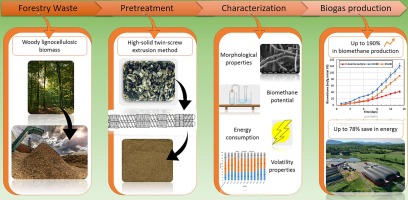
Biomasse refers to organic materials, such as agricultural waste, forestry residues, crops grown for energy production, wood waste, animal manure, and food waste, that can be converted into energy. This versatile resource has the potential to play a significant role in reducing our reliance on fossil fuels and mitigating climate change.
The Scope of Biomasse
Biomass encompasses all organic materials that can be used to generate energy, produce fertilizers, or contribute to green chemistry. For instance, bioplastics are made from renewable biomass sources, such as corn starch or sugarcane. The applications of biomasses extend beyond energy production; they also have significant implications for agriculture and industry.
Biomass Applications
The final applications of biomass in the energy sector include:
- Energy Generation: Biomass is used to produce heat, electricity, and biofuels.
- Fertilizer Production: The organic waste from biomass can be converted into fertilizers.
- Crops Growing: Biomasses are grown for their nutritional value, as well as their energy potential.
The Rise of Biometano: A Game-Changer in Sustainable Energy
Biometano is a type of renewable energy produced by the anaerobic digestion process. This biogas can be refined and converted into various types of fuels, including bio-methane. The Italian government has made significant strides in supporting this sustainable technology.
Italy’s Position as a Leader in Bioenergy
According to an EU Agency study, Italy will become one of Europe’s top producers of bioenergy by 2020. This achievement is attributed to the country’s comprehensive approach to biomass production and its integration into the national energy system.
mcTER Forest: Spreading Awareness About Biomass
The mcTER Forest event in Milan aims to raise awareness about the importance of biomasses. The initiative is a collaborative effort between EIOM, CTI, FIPER, and Fonti Rinnovabili. This event will not only provide an overview of biomasses but also showcase various biogas-related topics.
Paralleling Events: mcTER, mcTER Bio-Gas, and mcTER Pompe di Calore
The mcTER Forest event is accompanied by three parallel events:
- mcTER: Focuses on cogeneration in industrial and civil contexts.
- mcTER Bio-Gas: Delves into bio-gas combustion topics.
- mcTER Pompe di Calore: Explores pumps of heat and geothermal technologies.
Conclusion
The growth of biomasses is expected to play a significant role in reducing our reliance on fossil fuels. Biometano, a byproduct of anaerobic digestion, has the potential to revolutionize the energy sector. As Italy continues to lead the way in bioenergy production, events like mcTER Forest will become increasingly important for promoting sustainable practices.
Frequently Asked Questions
- What exactly is biomasse?
- What are some common applications of biomasses?
- How does biometano compare to other types of renewable energy?
- Why is Italy becoming a leader in bioenergy production?
- What can be gained from attending events like mcTER Forest?
- Can bioplastics be considered a sustainable alternative to traditional plastics?
- What role do cogeneration, biogas combustion, and geothermal technologies play in biomass applications?
- How can individuals contribute to the growth of biomasses?
The Impact of Biomass on Climate Change
Biomasse has the potential to mitigate climate change by:
- Reducing greenhouse gas emissions: Biomasse produces energy without releasing greenhouse gases.
- Promoting sustainable agriculture practices: Biomasse encourages the use of renewable agricultural resources, reducing our reliance on fossil fuels.
Environmental Considerations
Biomass production and utilization have both positive and negative environmental impacts:
- Positive impacts: Biomasses can reduce waste and create new employment opportunities in rural areas.
- Negative impacts: The combustion of biomass can produce air pollutants and greenhouse gases. Proper management practices are necessary to minimize these effects.
The Future of Biomass
As the world transitions towards a more sustainable future, biomasses will play an increasingly important role:
- Increasing adoption rates: More countries and industries are embracing biomass as a renewable energy source.
- Advancements in technology: New technologies are improving efficiency and reducing costs associated with biomass production and utilization.
By continuing to explore the potential of biomasses and biometano, we can unlock a more sustainable energy future for generations to come.


