
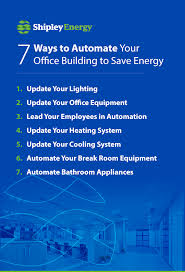
As we’ve seen, making our offices eco-friendly is all about good practices. Now, let’s talk about ways to make our offices more efficient from an energy-saving perspective. Cutting down on energy waste equals saving the environment and our wallets – every watt of electricity saved translates to a few extra cents in your pocket at the end of the month.
As we approach the new year, everyone is making their list of good intentions. While others are crunching numbers for the office budget, why not try reducing those utility bills? By implementing an energy-efficient strategy, you can cut down on economic losses and start saving money right away. To get started, consider these tips when buying office equipment:
1. Choose Energy-Efficient Equipment
When purchasing new office equipment, like photocopiers or computers, opt for high-efficiency models. Not only will this reduce your energy consumption, but it’ll also save you a pretty penny in the long run.
For instance, when shopping for a new photocopier, look for one that has an Energy Star rating. These devices are designed to consume less energy than their counterparts while still providing excellent print quality. By choosing an Energy Star-rated photocopier, you can reduce your electricity bills by up to 50%.
2. Save on Photocopying Costs
A photocopier that’s always running can be a major drain on your office budget. Try putting your photocopier on standby when not in use. With this simple change, you could potentially brew 30 cups of coffee per year!
Another way to save on photocopying costs is to encourage employees to double-sided copy documents whenever possible. This will not only reduce the number of copies needed but also lower the overall energy consumption.
3. Turn Off the Lights
Before leaving the office, make sure to turn off all lights, including those overhead and under-cabinet lighting. This small habit can save a significant amount of energy over time. In fact, by switching off every light bulb in your office each day, you could potentially heat up an entire house for about five months.
It’s also essential to consider the type of lighting used in your office. LED lights are much more energy-efficient than traditional incandescent bulbs and can last up to 50 times longer. By replacing your current lighting with energy-efficient options, you can significantly reduce your energy consumption.
4. Reduce Computer Usage
Computers that run continuously at night can really take a toll on your electricity bill. Think of all the carbon dioxide emissions those computers produce – it’s like one big bus! Consider replacing desktop computers with laptops to reduce energy consumption by 85%. That’s a significant savings!
Another way to reduce computer usage is to encourage employees to turn off their computers when not in use. This simple habit can save a substantial amount of energy over time.
5. Avoid Raising Your Thermostat
Keep your thermostat set at a moderate temperature, especially when you’re not using heating systems or cooling units. Putting heat-absorbing items near radiators or heaters can actually decrease the efficiency of those systems. By keeping objects like bookshelves or plants away from heating vents, you’ll save energy and keep your office cool.
It’s also essential to consider the type of thermostat used in your office. Smart thermostats can learn your schedule and adjust the temperature accordingly, which can lead to significant energy savings.
6. Switch to Energy-Efficient Lighting
High-efficiency LED lighting lasts ten times longer than traditional incandescent bulbs. This means that during its lifespan, an LED bulb can save you around 70 euros!
LED lighting is also more environmentally friendly, as it contains no toxic chemicals like mercury or lead. By switching to energy-efficient lighting options like LEDs, you can significantly reduce your carbon footprint.
7. Optimize Office Layout
The way your office is laid out can have a significant impact on energy consumption. Consider rearranging furniture to create natural light and ventilation. This simple change can save up to 20% on heating and cooling costs.
Another way to optimize your office layout is to use thermal imaging cameras to identify areas of heat loss or gain. By identifying these areas, you can take steps to improve insulation and reduce energy consumption.
8. Monitor Energy Consumption
Monitoring energy consumption is crucial to making informed decisions about how to reduce waste. Consider installing smart meters that can track energy usage in real-time.
Another way to monitor energy consumption is to use energy management software that can provide insights into energy usage patterns and identify areas for improvement.
By implementing these simple strategies, you can make a significant impact on reducing energy waste in your office and start saving money right away.
Savings Energy in the Office: A Guide to Efficiency
Are you looking for ways to make your office more eco-friendly? Look no further! With a few easy changes, you can significantly reduce your energy consumption and save money.
Energy-Saving Tips for Your Office
• Use high-efficiency equipment when buying new office equipment.
• Turn off unnecessary lights, appliances, and electronics.
• Replace desktop computers with laptops to reduce energy consumption.
• Keep your thermostat set at a moderate temperature.
• Switch to energy-efficient lighting options like LEDs.
• Optimize office layout to create natural light and ventilation.
• Monitor energy consumption using smart meters or energy management software.
Why Energy Efficiency Matters
By reducing energy waste in your office, you’ll not only save money but also contribute to a more sustainable future. Every watt of electricity saved is like adding a few extra cents to your pocket each month!
Benefits of Energy-Efficient Office Practices
• Reduced energy consumption
• Lower utility bills
• Environmental sustainability
• Cost savings
• Improved productivity
Getting Started with Energy Efficiency
Don’t let energy waste hold you back from achieving your goals. By implementing these simple strategies, you can make a significant impact on reducing energy waste in your office and start saving money right away.
Frequently Asked Questions (FAQs)
Q: How much money can I save by implementing energy-efficient practices in my office?
A: The amount of savings will vary depending on the specific practices implemented, but with simple changes like turning off lights and using high-efficiency equipment, you could potentially see a significant decrease in your utility bills.
Q: What are some common sources of energy waste in an office setting?
A: Common sources include leaving lights on when not needed, not switching off electronics, and using old or inefficient equipment.
Q: Can I still save money if my office is already equipped with high-efficiency lighting and appliances?
A: Absolutely! Even with existing efficient equipment, making a few tweaks to your daily habits can make a significant impact on energy consumption.
Q: How do I get started with implementing energy-efficient practices in my office?
A: Begin by assessing your current energy usage and identifying areas for improvement. From there, start making small changes like turning off lights when not needed or replacing old equipment with high-efficiency options.
Q: What are some additional benefits of adopting energy-efficient practices in the workplace?
A: In addition to reducing costs, implementing energy-efficient practices can also improve productivity, contribute to a more sustainable future, and demonstrate your organization’s commitment to environmental responsibility.


