
As we go about our daily lives, it’s easy to overlook the impact that our waste has on the environment. However, certain types of waste can have devastating effects on human health and the planet as a whole. One such type of waste is toxic from batteries and piles, which contain heavy metals like lead, cadmium, and mercury.
The production of these batteries and other electronic devices has become increasingly common in recent years, with many people upgrading their phones, laptops, and other gadgets every few years. This has led to a significant increase in the amount of waste generated by these devices. If not disposed of properly, this waste can contaminate soil and water sources, posing serious risks to human health.
The Dangers of Improper Disposal
If batteries and piles are not disposed of correctly, they can lead to various environmental and health problems. For example, if lead-containing batteries are incinerated or buried in landfills, the lead can leach into the soil and water, causing significant pollution. Similarly, if cadmium is released from electronic devices during their disposal, it can contaminate soil and water sources, posing serious risks to human health.
Mercury, another toxic substance found in some batteries, can also have devastating effects on the environment. If mercury is not disposed of correctly, it can accumulate in aquatic ecosystems, causing widespread harm to fish and other marine life.
The “La Sfida per il Riciclo di Pile e Batterie” Project
In response to this growing concern, the European Recycling Platform (ERP), WWF Ricerche e Progetti, and WWF Italia launched a project called “La sfida per il riciclo di Pile e Batterie” (The Challenge of Recycling Batteries). The goal of this project is to educate students about the importance of recycling batteries and piles.
The Project’s Objectives
The project aims to:
- Educate 7,500 students from 18 schools in Italy about the dangers of toxic waste and the importance of recycling
- Encourage students to participate in a “Mese di raccolta straordinaria” (Extraordinary Recycling Month) where they will collect used batteries and piles
- Reward the school that collects the most hazardous waste with a visit from an environmental organization
Who’s Behind the Project?
The project is supported by several leading companies in the industry, including Sony and Varta. These organizations recognize the importance of reducing their environmental impact and are committed to helping educate the next generation about sustainable practices.
How the Project Works
Students will participate in various activities, such as:
- Laboratory experiments to learn about the effects of toxic waste on human health
- Publication of educational materials about recycling and sustainability
- Workshops and presentations by experts on the importance of proper waste management
Through these activities, students will gain a deeper understanding of the impact that their daily choices can have on the environment. They will also be encouraged to take action and make changes in their own lives to reduce waste and promote sustainable practices.
Meet “Tina Stilo” – The Recycling Hero
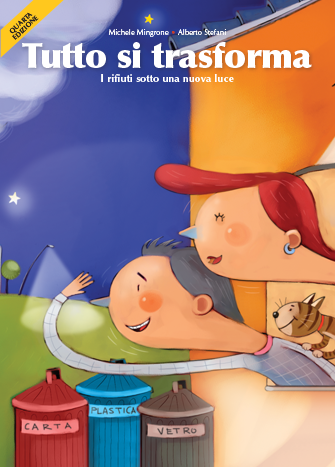
The project features a character called Tina Stilo, a cartoon hero who teaches students about the dangers of toxic waste and the importance of recycling. Through Tina’s adventures, students will learn valuable lessons about taking care of our planet.
Tina is a young girl who loves the environment and wants to make a difference. She discovers that many people are unaware of the impact that their daily choices can have on the environment and decides to take action. With the help of her friends, Tina sets out on a journey to educate others about the importance of recycling and sustainable practices.
The “Mese di raccolta straordinaria”
At the end of the project, schools will participate in an extraordinary recycling month where they will collect used batteries and piles. The school that collects the most hazardous waste will receive a prize: a visit from an environmental organization, such as WWF.
This event aims to encourage students to take action and make changes in their daily lives to reduce waste and promote sustainable practices. By participating in this event, schools will be demonstrating their commitment to reducing waste and protecting the environment.
Conclusion
The “La sfida per il riciclo di Pile e Batterie” project is a great example of how education can drive positive change. By teaching students about the importance of recycling and sustainable practices, we can empower them to make a difference in their communities and protect the environment for future generations.
Through this project, we hope to inspire a new generation of environmental leaders who will work tirelessly to promote sustainability and reduce waste. By working together, we can create a more sustainable future for all.
Frequently Asked Questions
- Q: Why is it important to recycle batteries and piles?
A: Recycling batteries and piles helps reduce the amount of toxic waste that ends up in landfills and oceans, protecting human health and the environment. - Q: How can I get involved in this project?
A: Students can participate by attending workshops, laboratory experiments, and other activities organized by their schools. Teachers and educators can also learn more about the project and integrate it into their curriculum. - Q: What kind of impact will this project have on the environment?
A: By educating students about recycling and sustainable practices, we can inspire them to make changes in their daily lives and reduce waste that ends up in landfills and oceans. - Q: Can I participate if I’m not a student?
A: Yes! Anyone can get involved by learning more about the project and sharing it with others. You can also support organizations like WWF and ERP, which work to promote sustainable practices and protect the environment. - Q: How much waste will be collected during the “Mese di raccolta straordinaria”?
A: The amount of waste collected will depend on the schools’ participation and efforts. However, the project aims to make a significant impact in reducing hazardous waste in Italian communities. - Q: What’s the long-term goal of this project?
A: The ultimate goal is to create a culture of sustainability among young people, inspiring them to take action and make changes in their daily lives to reduce waste and protect the environment. - Q: Can I donate materials or supplies to support the project?
A: Yes! Organizations like WWF and ERP welcome donations to support their environmental initiatives. You can also consider donating materials or supplies that can be used for educational purposes. - Q: How can I stay updated on the project’s progress?
A: Follow us on social media or check our website for updates on the project’s progress, news, and achievements.
By working together, we can create a more sustainable future for all.


