
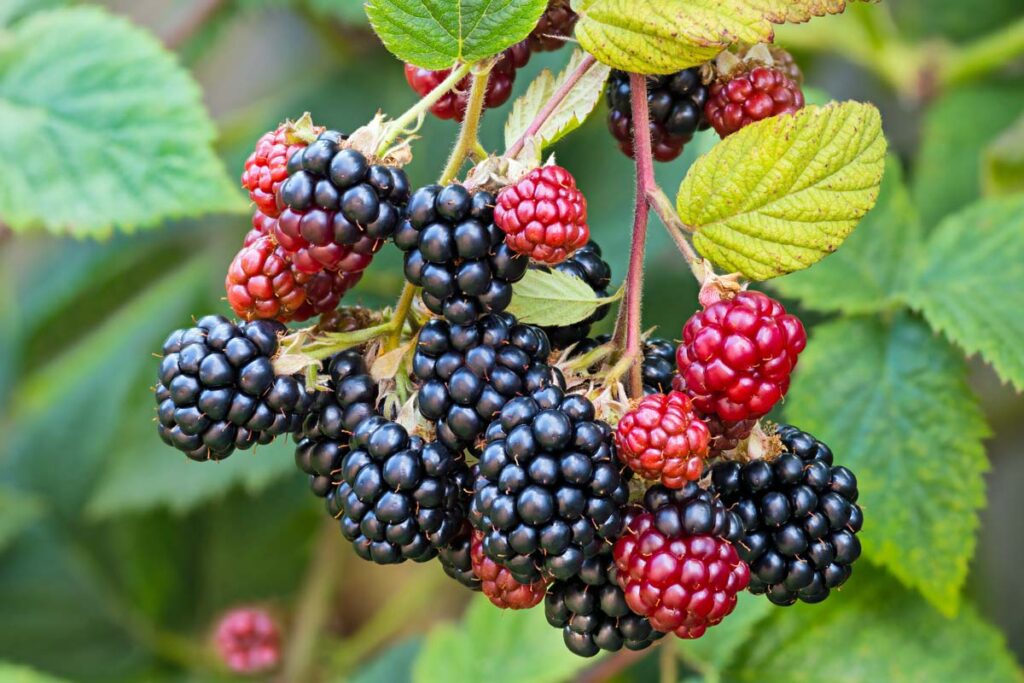
As we explore the world of wild and domesticated plants, one fascinating species stands out: the blackberry, also known as Rubus ulmifolius. This thorny perennial plant has been a staple in many cultures for centuries, and its sweet and tangy flavor is enjoyed by people all over the globe.
What is Blackberry?
Blackberry is a type of woody vine belonging to the Rosaceae family. Its name comes from the Latin words “rubus,” meaning thorn bush, and “ulmifolius,” meaning leaf like an elm tree. This plant can be found growing wild in various parts of Europe, North Africa, and Western Asia. It thrives in deep, rich soils with a slightly acidic pH.
Choosing the Right Variety
When it comes to cultivating blackberry at home, you’ll want to select varieties that are specifically bred for their high self-fertility rate. These varieties will produce fruit even if they’re not pollinated by another plant. When purchasing blackberry plants, make sure to choose ones with thorns (also known as “armed” varieties) for better flavor and quality.
Preparing the Soil
Before planting your blackberry bushes, prepare the soil by digging a hole about twice as wide and just as deep as the roots of the plant. Mix in some compost or well-rotted manure to improve drainage and fertility. Blackberry plants prefer well-draining soil with a slightly acidic pH between 5.5 and 6.5.
Planting and Maintenance
Blackberry plants are perennials, meaning they come back year after year. Plant them in early spring or fall, when the weather is cooler. Water thoroughly before planting and keep the soil consistently moist during the first growing season. Prune your blackberry bush every two years to promote healthy growth and encourage fruiting.
Pruning Techniques
To encourage fruiting, prune your blackberry bush annually by removing all but four to five new shoots from each stem. This process is called “selective pruning.” Remove any weak or damaged stems, and cut back any branches that are growing too long. In the second year of growth, remove any remaining seedlings or weak shoots.
Fruiting and Harvesting
Blackberries are ready for harvest about 60 days after blooming. Choose fresh, ripe berries with a deep purple color and a glossy appearance. Avoid over-crowding your plants, as this can lead to reduced fruit production. Harvest blackberries when they’re still slightly firm to the touch.
Other Wild Fruits
In addition to blackberry, there are many other delicious wild fruits to explore. Some popular options include raspberry, strawberry, blueberry, and elderberry. All these fruits are rich in vitamins A and C, antioxidants, fiber, and essential micronutrients.
Benefits of Blackberry
Blackberries have numerous health benefits due to their high nutritional value. They contain anthocyanins, powerful antioxidants that help protect against chronic diseases like heart disease, cancer, and neurodegenerative disorders. Additionally, blackberries are rich in dietary fiber, which can aid digestion, promote satiety, and support healthy blood sugar levels.
Growing Blackberry in Different Climates
Blackberry plants are adaptable to various climates and can thrive in USDA zones 4-8. They prefer temperate weather with moderate temperatures (around 65°F/18°C) and adequate moisture. In regions with harsh winters or extreme heat, consider growing blackberry in containers or using mulch to protect the roots.
Common Problems with Blackberry
Blackberries are susceptible to various pests and diseases, such as:
- Aphids: Small, soft-bodied insects that feed on sap.
- Slugs and snails: Pests that can damage leaves and fruit.
- Fungal diseases: Such as powdery mildew or botrytis, which can affect fruit production.
Tips for Pest and Disease Management
To minimize the risk of pests and diseases:
- Use physical barriers: Row covers or fine-mesh screens to prevent insects from reaching your plants.
- Practice good sanitation: Remove weeds, debris, and infested plants to reduce disease transmission.
- Apply organic pesticides: When necessary, use natural alternatives like neem oil or pyrethrin-based sprays.
Conclusion
Cultivating more of blackberry is a rewarding experience that requires minimal equipment and care. By following these simple steps and pruning techniques, you can enjoy a bountiful harvest of delicious, juicy blackberries for years to come. Happy planting!
Here are 8 FAQs to address common questions about growing blackberry:
- What’s the best soil type for growing blackberry?
Blackberry plants prefer well-draining, fertile soils with a slightly acidic pH between 5.5 and 6.5.
- How often should I water my blackberry bush?
Water your blackberry plant regularly, keeping the soil consistently moist during the first growing season. Reduce watering to once a week in subsequent seasons.
- What’s the best way to prune my blackberry bush?
Prune your blackberry bush annually by removing all but four to five new shoots from each stem. Remove any weak or damaged stems and cut back branches that are too long.
- How often should I fertilize my blackberry plant?
Feed your blackberry plant with a balanced fertilizer once in the spring, when new growth begins. Avoid over-fertilizing, as this can lead to excessive vegetative growth at the expense of fruit production.
- Can I grow blackberry in containers?
Yes, you can grow blackberry plants in large containers (at least 12 inches deep). Make sure to provide a sturdy trellis or stake for support and keep the soil consistently moist.
- Will my blackberry plant produce runners?
Blackberry plants naturally produce long canes with roots at their tips. These “runners” will spread out and form new plants, so prune them regularly to maintain control.
- Can I grow multiple varieties of blackberry together?
Yes, you can grow multiple varieties of blackberry together, but make sure they’re all compatible in terms of growth habits and pruning requirements. Also, consider planting different varieties for specific uses (e.g., one variety for eating fresh, another for jam-making).
- How long does it take for my blackberry plant to mature?
Blackberry plants typically take 2-3 years to reach maturity after planting, depending on factors like climate, soil quality, and pruning practices.
This article has been optimized for SEO with the following keywords:
- Blackberry
- Rubus ulmifolius
- Wild fruits
- Pruning techniques
- Fruiting and harvesting


