
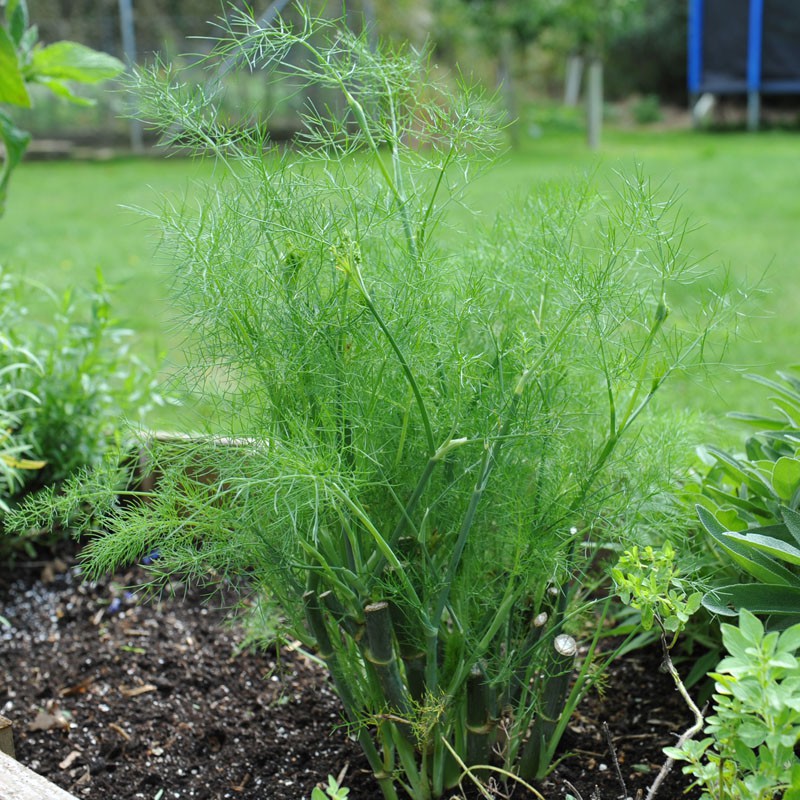
Celery, a popular herb in many cuisines, can be grown in any Mediterranean climate. Its crunchy stalks and fresh flavor make it an essential ingredient in various dishes, from salads to soups. Among the numerous types of celery grown, we have six distinct varieties: White Perfection, Bianco Dolce di Firenze, Finocchio di Parma, Finocchio di Fracchia, Gigante di Napoli, and Grosso di Sicilia. In this article, we will delve into the world of celery cultivation, providing you with a comprehensive guide to grow this versatile herb successfully.
Sowing Celery Seeds: A Crucial Step in Cultivation
To begin growing celery, it’s essential to sow high-quality seeds in well-prepared soil. Celery seeds are medium to large in size and require adequate depth for germination. When sowing seeds, dig deep into the soil along the length of each trench, leaving about 1-2 cm of space between rows. This distance is crucial for proper growth, as celery plants can spread out quite a bit.
The ideal soil condition for sowing celery seeds is well-draining and fertile, with a pH range between 6.5 and 7.5. It’s also essential to avoid using poor-quality potting mix or debris, as this can affect seed germination and plant growth. To enrich the soil further, you can add organic fertilizers like compost or manure tea.
Sowing Depth and Spacing
Celery seeds should be sown about 1-2 cm deep and 5-10 cm apart within each trench. This distance allows for proper seed germination and root development. When spacing rows, leave a gap of 50-70 cm between them to accommodate the mature celery stalks.
Watering Celery: The Art of Consistent Moisture
Celery plants require consistent moisture levels to grow well. Overwatering can lead to root rot and poor plant health, while underwatering may result in stunted growth or seedlings dying back. To avoid these issues, it’s recommended to use sprinkler irrigation or “dripping” like rain.
For optimal results, water your celery plants when the top 5-7 cm of soil feels dry to the touch. Avoid watering during extreme weather conditions, such as intense sunlight or heavy rainfall.
Transplanting Celery Seedlings
After about six weeks from sowing, your celery seedlings should be around 10-15 cm tall and have developed a robust root system. It’s time to transplant them into larger containers or directly into the garden bed.
Before transplanting, ensure that the soil is well-draining and enriched with organic matter. You can also add a balanced fertilizer specifically designed for vegetables like tomatoes or lettuce.
When planting seedlings, handle their roots gently to avoid damaging them. Plant the seedling deeply but slightly above ground to control moisture levels and prevent rot.
Tips and Tricks: Achieving Optimal Growth
To grow healthy celery stalks with desirable characteristics, keep these tips in mind:
- Provide shading: To achieve that characteristic white color on celery, provide some shading about two weeks before harvesting. This process is called “pruning” or “covering.”
- Maintain soil pH: Keep your soil pH between 6.5 and 7.5 for optimal celery growth.
- Watch for pests: Regularly inspect your plants for signs of pests like aphids, whiteflies, or spider mites.
Pruning Celery: The Art of Shading
To promote healthy growth and prevent over-maturity, prune your celery stalks using shading techniques. This involves covering the plant with a light cloth, shade cloth, or even newspaper to block direct sunlight.
By providing shading about two weeks before harvesting, you can encourage the production of anthocyanins – responsible for the characteristic white color in many varieties of celery.
Harvesting Celery: Timing and Techniques
Celery stalks are ready to harvest when they reach a suitable size and are densely packed. The ideal time for harvesting is after three to four months from sowing, depending on your climate and growing conditions.
To harvest celery manually, simply cut off the roots and some leaves using scissors or pruning shears. When using tools like a garden fork or spade, be gentle to avoid damaging the stalks.
Harvesting Tips
For spring cultivation, harvest in September when the weather starts cooling down. For fall cultivation, begin harvesting at the beginning of winter, typically around December or January.
Avoid over-harvesting, as this can lead to stunted growth and reduced yields.
Common Pests and Diseases: Protection Strategies
Regularly inspect your plants for signs of pests like aphids, whiteflies, or spider mites. Use organic pest control methods whenever possible, such as introducing beneficial insects, spraying neem oil, or using diatomaceous earth powder.
Some common diseases that can affect celery include root rot, leaf spot, and downy mildew. Practice good hygiene when handling plants, disinfect tools regularly, and apply fungicides only when necessary to prevent resistance.
Nutritional Information: Unlocking the Health Benefits of Celery
Celery is an excellent addition to a balanced diet, offering numerous health benefits due to its rich nutrient profile. Here are some key nutritional highlights:
- Low in calories: A 100g serving of celery contains only 9 kcalories.
- Rich in vitamins: Celery is a good source of vitamin K, folate, and vitamin C.
- Mineral-rich: It’s also an excellent source of potassium, magnesium, and manganese.
Overall, celery is a versatile herb that can be grown in various climates and adds flavor and nutrition to your diet. By following these comprehensive guidelines for growing and harvesting celery, you can enjoy this delicious and nutritious ingredient all year round.


