
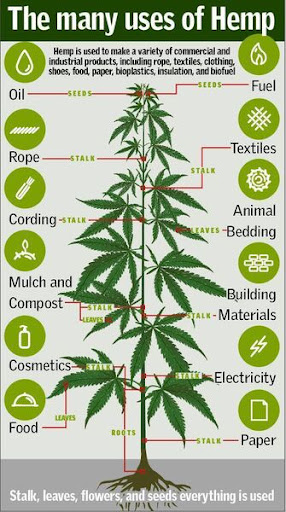
As the world becomes increasingly aware of the benefits of hemp, also known as cannabis light, Italy has taken a significant step forward by introducing a law that allows for its legal cultivation. But what does this mean for farmers and entrepreneurs looking to tap into the growing market?
Understanding the Law
The law in question is Article 6 of Law No. 242 of December 2, 2016, which went into effect on January 14, 2017. This legislation enables the cultivation of hemp with THC levels below 0.2%, rendering it non-intoxicating and making it suitable for various purposes.
Gaining Access to Incentives
To encourage the growth of the Italian hemp industry, the government has introduced incentives worth up to €700,000 annually. These funds are aimed at promoting not only the production of hemp but also its cultivation conditions, which will enable a more efficient absorption of the product in the market.
Eligibility and Benefits
Companies that start an agricultural business can enjoy exemptions from contributions for the first three years and a lower contribution rate of 50% in subsequent periods. Additionally, other fiscal incentives may be available from regional regulations that could make hemp cultivation and commercialization more favorable.
Qualifying as an Innovative Startup
Societies developing innovative hemp-based products can qualify as start-ups and register with a specific registry, granting access to additional benefits and financial support reserved exclusively for this category of enterprises.
What the Law Requires
The law sets out several key requirements for those seeking to cultivate hemp in Italy:
- Tracking and Tracing: Hemp farmers must keep track of every stage of the cultivation process, from sowing to distribution.
- Control Measures: Authorities can conduct random checks on suspected hemp farms, using a single plant sample as evidence. Only if THC levels exceed 0.2% can they seize and destroy the entire crop.
- Special Cases: In rare instances, farmers may be allowed to cultivate hemp with THC levels between 0.2% and 6%.
Tips for Growing Hemp
Growing hemp is a versatile endeavor that requires careful attention. Here are some essential tips:
- Watering: Avoid overwatering, which can cause stagnation and hinder plant growth.
- Soil Quality: Maintain optimal soil conditions to support healthy plant development.
- Irrigation: While hemp doesn’t require frequent irrigation, providing water when necessary will help the plants thrive.
- Fertilization: The release of leaves at the end of the growing cycle can provide natural nutrients, leading to better yields in subsequent harvests.
Sowing and Harvesting
Hemp is typically sown between March and April for a mid-August harvest. Planting should be done with a focus on germination (with seeds requiring moist soil), followed by proper spacing and care during growth.
With the right knowledge, hemp can become an excellent crop for Italian farmers and entrepreneurs. As the market continues to grow, it’s essential to stay informed about new opportunities and regulations.
Frequently Asked Questions
- What is the THC level threshold for legal hemp cultivation in Italy?
The law allows for hemp with THC levels below 0.2%. - Can hemp farmers in Italy enjoy exemptions from contributions for the first three years?
Yes, companies that start an agricultural business can enjoy exemptions from contributions for the first three years. - Are there additional fiscal incentives available for hemp cultivation and commercialization in Italy?
Yes, regional regulations may provide more favorable conditions for hemp production and sales. - Can innovative hemp-based products qualify as start-ups in Italy?
Yes, societies developing innovative hemp-based products can register with a specific registry and access additional benefits and financial support. - What is the maximum THC level allowed for hemp cultivation in Italy?
The law limits THC levels to 0.2%, but allows for special cases up to 6%. - Can hemp farmers conduct their own checks on suspected farms?
No, authorities can conduct random checks using a single plant sample as evidence. - How do I determine the optimal soil quality for growing hemp?
The ideal soil conditions depend on various factors, including pH levels and nutrient availability. - Can hemp be grown in different climates or regions?
Yes, hemp can adapt to various environmental conditions with proper care and attention.
The future of Italy’s hemp industry looks bright, with incentives and opportunities waiting to be explored. Stay up-to-date with the latest developments and best practices for successful hemp cultivation and commercialization.
Opportunities for Hemp Cultivation in Italy
- Medical Applications: Italy is home to a thriving medical cannabis market, offering a significant opportunity for hemp producers.
- Textile Production: Hemp fibers can be used to create high-quality clothing and textiles, opening up new markets for Italian manufacturers.
- Cosmetics and Skincare: The demand for natural products is on the rise, providing an ideal platform for hemp-based cosmetics and skincare solutions.
- Bioenergy: Italy has a rich tradition of biofuel production, making it an excellent location for hemp-based energy generation.
- Food Products: Hemp seeds can be used in various food applications, including baking, salad dressings, and other culinary uses.
In conclusion, the rise of legal hemp cultivation in Italy presents exciting opportunities for farmers, entrepreneurs, and innovators alike. By understanding the law, gaining access to incentives, and leveraging regional regulations, individuals can tap into the growing market and reap its benefits.


