
As a gardener, there’s nothing more frustrating than dealing with pesky insects and pests that can harm your plants. But what if you could use natural methods to control these unwanted critters without harming the environment or your family? Enter biological pest control, a method that uses natural ingredients to keep your garden healthy and thriving.
What is Biological Pest Control?
Biological pest control, also known as integrated pest management (IPM), is a holistic approach to managing pests in your garden. It involves using a combination of techniques, including cultural controls, physical barriers, biological controls, and organic pesticides, to prevent or control pest populations. The goal of IPM is to minimize harm to beneficial insects and the environment while keeping pest populations under control.
History of Biological Pest Control
The concept of biological pest control dates back thousands of years, when ancient civilizations used natural methods to control pests in their gardens. For example, the Egyptians used garlic to repel aphids, while the Chinese used neem oil to control pests. In recent years, there has been a growing interest in biological pest control as people seek more sustainable and environmentally friendly ways to manage pests.
Benefits of Biological Pest Control
Biological pest control offers several benefits, including:
- Environmental sustainability: Biological pest control methods are generally more environmentally friendly than chemical pesticides.
- Cost-effective: Biological pest control methods can be just as effective as chemical pesticides but at a lower cost.
- Human health safety: Biological pest control methods are generally safer for humans and pets than chemical pesticides.
DIY Biological Pest Control: Make Your Own Insecticides
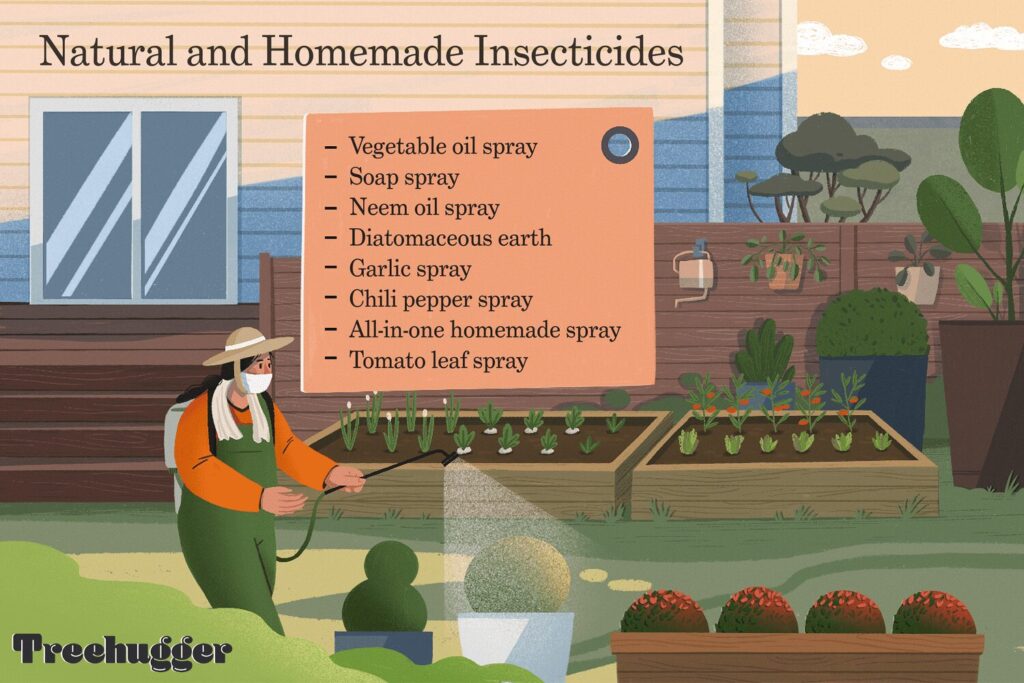
One way to implement biological pest control in your garden is by making your own insecticides using natural ingredients. This approach not only saves you money but also ensures that the products you use are free from harsh chemicals and artificial additives. Here are some easy-to-make DIY insecticides:
- Neem Oil Spray: Mix neem oil with water and spray it on your plants to control aphids, whiteflies, and other pests.
- Soap Solution: Mix dish soap with water and spray it on your plants to repel pests like aphids, mealybugs, and spider mites.
Commercial Biological Pest Control: The Best Options
While DIY insecticides are great, they may not always be effective. In such cases, using commercial biological pest control products can be a good alternative. Here are some popular options:
- Neem Oil: Neem oil is a natural pesticide that controls pests like aphids, whiteflies, and spider mites.
- Pyrethrin: Pyrethrin is a natural insecticide derived from the flowers of the pyrethrum daisy. It’s effective against a wide range of pests.
Pipistrello: The Ultimate Mosquito Killer
One of the most effective biological pest control methods for eliminating mosquitoes and other flying insects is by installing a pipistrello. A pipistrello is a bat box that provides a safe haven for bats to roost and hunt insects at night. With over 2000 mosquitoes devoured daily, it’s no wonder why bats are hailed as the ultimate mosquito killers.
Bat Conservation
Bats play an important role in pollination and pest control, but their populations are declining due to habitat loss and climate change. By installing pipistrello units in your garden, you can help support bat conservation efforts and create a more sustainable ecosystem.
Additional Tips
- Use Physical Barriers: Use physical barriers like fine-mesh screens or row covers to prevent pests from reaching your plants.
- Rotate Crops: Rotate your crops regularly to avoid depleting soil nutrients and promoting pest buildup.
- Monitor Your Garden: Regularly monitor your garden for signs of pest infestations and take action promptly.
Frequently Asked Questions
- Can biological pest control methods be as effective as chemical pesticides?
Biological pest control methods can be just as effective as chemical pesticides, but they often require more effort and planning. - How long does it take to see results from using DIY insecticides?
The time it takes to see results from using DIY insecticides can vary depending on the type of pesticide used and the severity of the pest infestation. - Can I use biological pest control methods on all types of plants?
Biological pest control methods can be used on most types of plants, but they may not be effective against certain pests like insects that live in soil or under bark. - How do I choose the best commercial biological pest control products for my garden?
When choosing commercial biological pest control products, look for products that are labeled as OMRI-listed (Organic Materials Review Institute) or EPA-approved (Environmental Protection Agency). - Can I use pipistrello to eliminate other types of flying insects besides mosquitoes?
Yes, pipistrello can be used to eliminate a wide range of flying insects, including flies, gnats, and moths.
Conclusion
Biological pest control offers a natural and sustainable approach to managing pests in your garden. By using DIY insecticides, commercial biological pest control products, or installing pipistrello units, you can create a healthier and more sustainable ecosystem that benefits both your plants and the environment.


