
In today’s digital age, it’s not uncommon to hear about people struggling with a sense of anxiety or unease when they’re unable to access their smartphones or social media accounts. This phenomenon has been gaining attention in recent years, particularly among younger generations, and is often referred to as nomofobia.
What is Nomofobia?
Nomofobia is the fear of being disconnected from the internet or the inability to constantly check and respond to messages, notifications, and updates on social media. This fear can be overwhelming and intrusive, causing individuals to feel anxious, irritable, or even panicked when they’re unable to access their devices.
The Significance of Nomofobia
Nomofobia is not just a minor concern; it’s a growing issue that affects many people worldwide. According to recent studies, over 60% of adults in the United States admit to feeling anxious or uneasy when they’re unable to access their smartphones. This phenomenon is particularly prevalent among younger generations, who are more likely to experience nomofobia due to their heavy reliance on social media and digital communication.
The Psychology Behind Nomofobia
So, what drives this fear? The answer lies in the psychological need for constant validation and connection. Social media platforms have created a culture of instant gratification, where people feel pressure to present themselves as perfect, active, and responsive. This can lead to a sense of FOMO (fear of missing out) or anxiety when individuals are unable to keep up with the demands of social media.
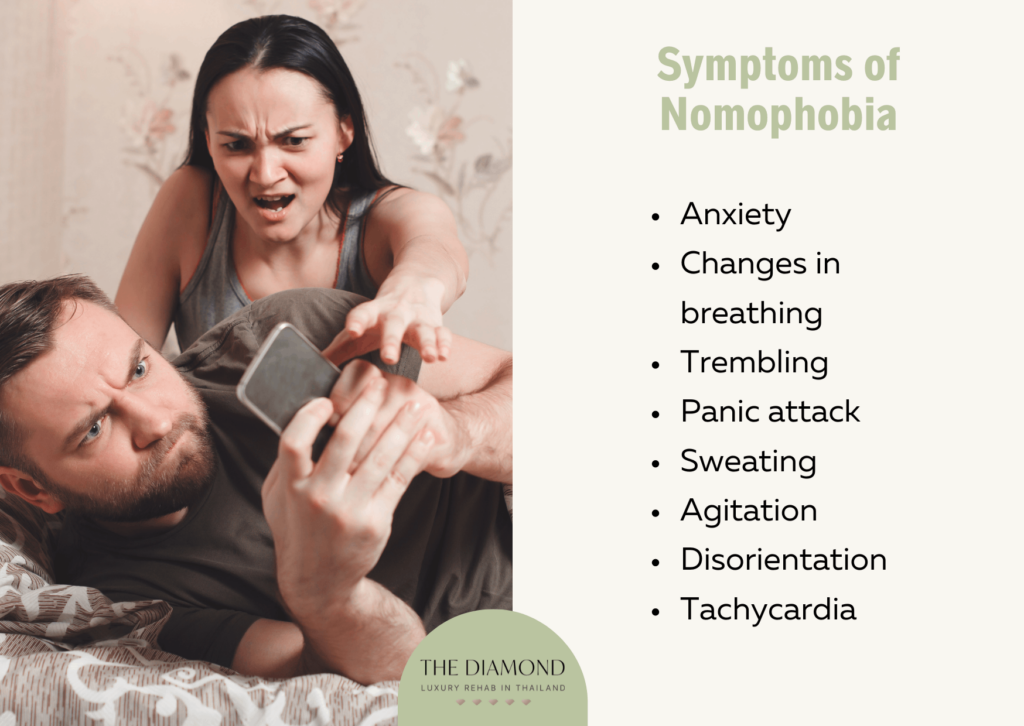
Symptoms of Nomofobia
Nomofobia can manifest in various ways, including:
- Feeling anxious or uneasy when separated from your smartphone
- Difficulty concentrating or focusing on tasks without constant access to your device
- Increased irritability or mood swings when unable to check messages or notifications
- Panic attacks or feelings of vertigo when your phone is out of battery or signal range
- Compulsive checking of social media accounts or online presence
Test Your Nomofobia
While there isn’t a definitive test for nomofobia, you can assess your level of attachment to your smartphone by asking yourself these questions:
- Do you feel anxious or uneasy when separated from your phone?
- Do you find it difficult to focus on tasks without constant access to your device?
- Do you experience irritability or mood swings when unable to check messages or notifications?
Breaking Free from Nomofobia
While nomofobia can be a challenging issue to overcome, there are steps you can take to manage your anxiety and develop healthier habits:
- Set boundaries around your social media use
- Practice mindfulness and meditation to reduce stress and anxiety
- Engage in offline activities that bring you joy and fulfillment
- Consider seeking professional help from a therapist or counselor
Understanding the Impact of Nomofobia on Relationships
Nomofobia can also have a significant impact on personal relationships. When individuals are overly attached to their smartphones, they may miss out on meaningful interactions with others, leading to feelings of loneliness and isolation. Furthermore, excessive social media use has been linked to increased conflict in romantic relationships, as well as decreased empathy and deepened emotional attachment.
The Benefits of Disconnecting from the Internet
While it’s understandable that many people rely on their smartphones for daily life, disconnecting from the internet can have numerous benefits for mental and physical health. Some of these benefits include:
- Reduced stress and anxiety
- Improved sleep quality
- Increased productivity and focus
- Enhanced creativity and problem-solving skills
- Greater sense of community and social connection
Real-Life Examples of Nomofobia
Nomofobia is not just a theoretical concept; it’s a reality that affects many people worldwide. Here are some real-life examples:
- Sarah, a 25-year-old graphic designer, found herself unable to concentrate on her work when she was separated from her phone. She would constantly check social media and email, leading to feelings of anxiety and frustration.
- John, a 30-year-old entrepreneur, experienced panic attacks whenever his phone’s battery ran out or his internet connection was lost. He felt like he was missing out on important messages and notifications, leading to increased stress and anxiety.
Overcoming Nomofobia: A Journey of Self-Discovery
Breaking free from nomofobia requires a journey of self-discovery and intentional behavior change. By setting boundaries around your social media use, practicing mindfulness, and engaging in offline activities, you can manage your anxiety and develop healthier habits. Here are some tips to get you started:
- Set aside device-free time each day
- Engage in physical activity or outdoor activities that bring you joy
- Practice meditation and mindfulness techniques
- Limit social media use to specific times of the day
- Seek support from friends, family, or a therapist
Conclusion
Nomofobia is a growing concern that affects many people worldwide. By understanding the psychology behind this fear and taking steps to manage our attachment to our smartphones, we can break free from the anxiety and unease that comes with being disconnected from the internet.
Frequently Asked Questions (FAQs)
- Is nomofobia just a minor concern?
No, nomofobia is a growing issue that affects many people worldwide. According to recent studies, over 60% of adults in the United States admit to feeling anxious or uneasy when they’re unable to access their smartphones.
- What are the symptoms of nomofobia?
Symptoms of nomofobia include feeling anxious or uneasy when separated from your smartphone, difficulty concentrating or focusing on tasks without constant access to your device, and increased irritability or mood swings when unable to check messages or notifications.
- How can I break free from nomofobia?
To manage your anxiety and develop healthier habits, set boundaries around your social media use, practice mindfulness and meditation, engage in offline activities that bring you joy and fulfillment, and consider seeking professional help from a therapist or counselor.
- Is nomofobia just related to technology?
No, nomofobia is also related to psychological needs for validation, connection, and instant gratification. Social media platforms have created a culture of constant connectivity, leading to feelings of anxiety and unease when individuals are unable to keep up with the demands of social media.
- Can I overcome nomofobia on my own?
While it’s possible to manage your anxiety and develop healthier habits without professional help, seeking support from a therapist or counselor can be beneficial in addressing underlying psychological issues.
- How common is nomofobia among younger generations?
According to recent studies, over 60% of adults in the United States admit to feeling anxious or uneasy when they’re unable to access their smartphones. Younger generations are more likely to experience nomofobia due to their heavy reliance on social media and digital communication.
- What are some signs that I have a problem with nomofobia?
Signs that you may have a problem with nomofobia include feeling anxious or uneasy when separated from your phone, difficulty concentrating or focusing on tasks without constant access to your device, and increased irritability or mood swings when unable to check messages or notifications.
- Can I still enjoy technology if I have nomofobia?
Absolutely! You can learn to use technology in a way that doesn’t control you. By setting boundaries around your social media use, practicing mindfulness, and engaging in offline activities, you can manage your anxiety and develop healthier habits.
Conclusion
In conclusion, nomofobia is a growing concern that affects many people worldwide. By understanding the psychology behind this fear and taking steps to manage our attachment to our smartphones, we can break free from the anxiety and unease that comes with being disconnected from the internet.


