
Allevare pecore, una guida pratica per iniziare
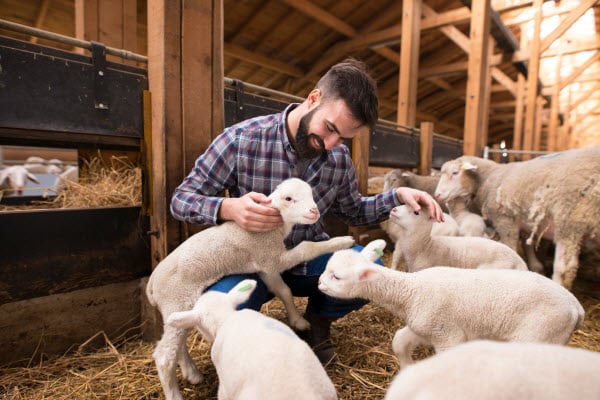
If you’re considering starting a small-scale ewe rearing business, adapting existing structures is a great place to begin. Raising sheep requires a suitable enclosure, such as a barn (perhaps repurposed from an old farm building), and access to grazing areas.
What You Need for a Small Ewe Herd
A typical small-scale ewe rearing operation consists of 10 female sheep and one ram. To start this venture, it’s essential to have a passion for the animal, as you’ll be working closely with them. Sheep can be efficient at maintaining pasture, much like a lawnmower!
Essential Components for a Small Ewe Herd
A small flock of 10 female sheep and one ram requires access to a grazing area connected to their shelter. The grazing area should be approximately 100 meters by 100 meters in size.
Creating a Suitable Enclosure
If you have an entire acre of land, consider creating a perimeter fence using a metal mesh supported by reclaimed wooden posts. Divide the grazing area into smaller parcels to facilitate rotational grazing, which helps maintain soil health and prevents overgrazing.
In addition to the enclosure, it’s crucial to provide shade for your sheep during hot summer months. Consider planting some trees or shrubs that can offer partial shade for your flock.
Providing Adequate Shelter
The shelter should have a minimum size of 5 meters by 5 meters to accommodate your sheep comfortably. If you don’t have an existing structure, consider building a simple shed using reclaimed materials or constructing a raised platform with a waterproof roof. Make sure the enclosure is well-ventilated and protected from strong winds.
Shelter Essentials
The shelter should include:
- A feeding area with two feeding stations per 10 sheep (each station should be at least 40 cm x 40 cm in size to accommodate multiple sheep simultaneously)
- A feeding trough placed approximately one meter above the ground on a wall for easy access
- A water trough or birthing pool accessible to all animals
Additional Tips
Consider consulting with local experts, joining sheep breeding associations, and attending workshops to gain valuable insights into the best practices for raising sheep. With proper care and attention, your flock will thrive.
Q: What kind of fencing do you need for a small-scale ewe rearing operation?
A: A metal mesh fence supported by wooden posts is an excellent option for creating a perimeter enclosure that can withstand various weather conditions.
Q: How often should I feed my sheep?
A: Feed your sheep daily, providing high-quality hay and grains as needed. Consult with a veterinarian or agricultural expert to determine the best feeding schedule for your flock.
Q: What are some good tree species for providing shade for sheep?
A: Some suitable options include apple trees, willow trees, and oak trees, which can provide partial shade during hot summer months.
Q: How often should I clean the shelter?
A: Clean the shelter regularly to maintain a healthy environment for your flock. Remove soiled bedding material, such as straw or hay, and replace it with fresh materials.
Q: Can I start an ewe rearing business without prior experience?
A: While starting an ewe rearing business requires some knowledge of sheep breeding and husbandry, it’s possible to learn through workshops, online courses, and consulting with experienced breeders.
Q: What kind of equipment do I need for a small-scale ewe rearing operation?
A: Essential equipment includes fencing materials, feeding troughs, water troughs or birthing pools, and shears for shearing your flock annually.
Q: How can I ensure the health and well-being of my sheep?
A: Provide regular veterinary care, monitor your flock’s nutrition and environment, and keep accurate records to track their progress.
Understanding Sheep Behavior
To raise healthy and happy sheep, it’s essential to understand their behavior. This includes recognizing signs of stress, such as pacing or restlessness, and addressing them promptly. Providing adequate space, social interaction, and mental stimulation can also help reduce stress in your flock.
Developing a Flock Management Plan
A well-planned flock management strategy is critical for ensuring the health and well-being of your sheep. This should include:
- Regular veterinary check-ups
- Monitoring weather conditions to prevent extreme temperatures or flooding
- Implementing rotational grazing to maintain soil health
- Managing parasite control measures, such as vaccinations and deworming
Conclusion
Starting an ewe rearing business requires careful planning and attention to detail. By understanding the essential components for a small-scale operation, providing adequate shelter, and developing a flock management plan, you can ensure the health and well-being of your sheep. With proper care and attention, your flock will thrive, providing high-quality wool or meat while also contributing to sustainable agriculture practices.
Additional Resources
If you’re looking for more information on starting an ewe rearing business, consider consulting the following resources:
- Your local agricultural extension office
- Sheep breeding associations, such as the American Sheep Industry Association (ASI)
- Online forums and discussion groups dedicated to sheep farming
By seeking out additional resources and networking with experienced breeders, you can gain valuable insights into the best practices for raising healthy and happy sheep.


