
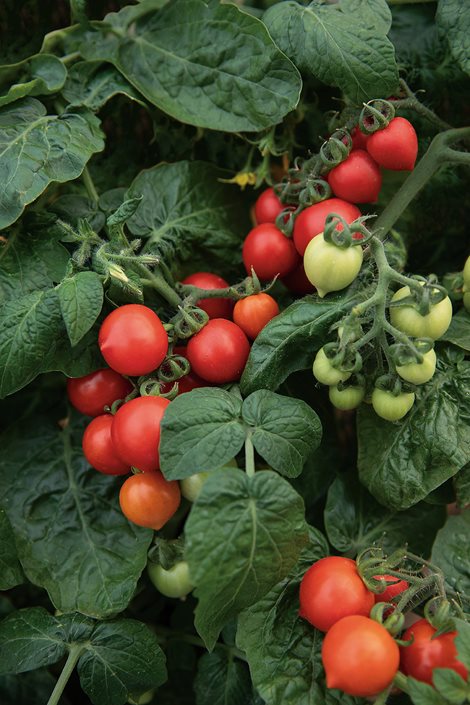
Are you ready to grow your own delicious tomatoes? With over 700 varieties to choose from, selecting the right tomato can be overwhelming. In this article, we’ll explore the different types of tomatoes, their characteristics, and provide tips on how to grow them successfully.
Understanding Tomato Varieties
Tomatoes come in various shapes, sizes, and colors, each with its unique features and growing requirements. To choose the best variety for your needs, consider factors such as climate, soil type, and desired fruit size.
Determinate vs. Indeterminate Tomatoes
Determinate tomatoes are compact, bushy plants that grow to a certain height and then stop. They’re ideal for small spaces and containers. Indeterminate tomatoes, on the other hand, continue to grow vertically, requiring support or a trellis.
Popular Tomato Varieties
Here are some popular tomato varieties, categorized by their characteristics:
- Determinate Tomatoes
- ‘Patio’ – compact, produces fruit in 60 days
- ‘Tiny Tim’ – dwarf, produces fruit in 50 days
- ‘Red Robin’ – bushy, produces fruit in 70 days
- Indeterminate Tomatoes
- ‘Beefsteak’ – large, produces fruit in 90 days
- ‘Cherry Tomato’ – small, produces fruit in 60 days
- ‘Pomodoro Cuore di Bue’ – medium, produces fruit in 70 days
Growing Tomatoes in Containers
If you have limited space, consider growing tomatoes in containers. Here are some tips for successful container gardening:
- Choose a container that’s at least 5-gallons in size
- Use a well-draining potting mix
- Provide support for indeterminate varieties
- Keep the soil consistently moist
Pest and Disease Management
Tomatoes are susceptible to various pests and diseases. Here are some common issues to watch out for:
- Aphids
- Inspect plants regularly for signs of aphid infestation
- Use neem oil or insecticidal soap to control outbreaks
- Fungal Diseases
- Monitor plants for signs of fungal growth, such as powdery mildew or leaf spot
- Treat affected areas with fungicides
Tips for Growing Tomatoes
Here are some additional tips for growing delicious tomatoes:
- Plant tomato seeds 1/4 inch deep and 2-3 inches apart
- Provide full sun (at least 6 hours of direct sunlight) and warm temperatures
- Feed plants regularly with a balanced fertilizer
Fertilization and Pruning
Proper fertilization and pruning techniques can significantly impact the health and productivity of your tomato plants. Here are some tips:
- Fertilization
- Use a balanced fertilizer (10-10-10 NPK) when planting tomatoes
- Feed plants regularly, but avoid overfertilizing
- Pruning
- Remove lower leaves to prevent disease and promote air circulation
- Prune indeterminate varieties to encourage bushy growth
Soil Requirements
Tomatoes require well-draining, fertile soil to thrive. Here are some tips for creating the perfect soil:
- Soil pH
- Tomatoes prefer a slightly acidic soil pH (6.0-6.8)
- Test your soil pH regularly and adjust as necessary
- Organic Matter
- Add compost or well-rotted manure to improve soil fertility and structure
Common Tomato Pests and Diseases
Here are some common pests and diseases that can affect tomato plants:
- Aphids
- Inspect plants regularly for signs of aphid infestation
- Use neem oil or insecticidal soap to control outbreaks
- Fungal Diseases
- Monitor plants for signs of fungal growth, such as powdery mildew or leaf spot
- Treat affected areas with fungicides
Growing Tomatoes in Greenhouses
Greenhouses can provide ideal conditions for growing tomatoes. Here are some tips:
- Temperature Control
- Maintain a temperature range of 65-75°F (18-24°C) during the day
- Use shade cloth or other shading materials to prevent overheating
- Humidity Control
- Maintain a relative humidity of 60-70%
- Use misting systems or other humidifying methods as needed
Growing Tomatoes in Cold Climates
If you live in a cold climate, choose tomato varieties that are specifically bred for cooler temperatures and shorter growing seasons. Here are some tips:
- Choose Cool-Tolerant Varieties
- Look for varieties with “cool-tolerant” or “cold-hardy” labels
- Plant varieties as soon as the soil can be worked in spring
- Use Row Covers
- Use row covers to protect plants from frost and cold temperatures
- Remove row covers during warm weather to promote healthy growth
Growing Tomatoes in Shaded Conditions
If you’re growing tomatoes in shaded conditions, choose varieties that are naturally tolerant of shade. Here are some tips:
- Choose Shade-Tolerant Varieties
- Look for varieties with “shade-tolerant” or “dwarf” labels
- Plant varieties as soon as the soil can be worked in spring
Growing Tomatoes in Container Gardens
If you’re growing tomatoes in container gardens, choose varieties that are compact and bushy. Here are some tips:
- Choose Compact Varieties
- Look for varieties with “compact” or “bush” labels
- Plant varieties as soon as the soil can be worked in spring
Growing Tomatoes in Vertical Gardens
If you’re growing tomatoes in vertical gardens, choose varieties that are indeterminate and require support. Here are some tips:
- Choose Indeterminate Varieties
- Look for varieties with “indeterminate” labels
- Use trellises or other supports to provide structure
Growing Tomatoes in Hydroponic Systems
If you’re growing tomatoes in hydroponic systems, choose varieties that are well-suited for hydroponics. Here are some tips:
- Choose Hydroponic Varieties
- Look for varieties with “hydroponic” or “nutrient film technique” labels
- Use nutrient film techniques (NFTs) to deliver nutrients directly to the roots
Common Tomato-Related Mistakes
Here are some common mistakes to avoid when growing tomatoes:
- Overwatering
- Avoid overwatering, which can lead to disease and root rot
- Monitor soil moisture regularly and adjust as necessary
- Underfertilization
- Avoid underfertilizing, which can lead to stunted growth and reduced fruit production
- Use a balanced fertilizer when planting tomatoes
Growing Tomatoes in Urban Gardens
If you’re growing tomatoes in urban gardens, choose varieties that are compact and require minimal space. Here are some tips:
- Choose Compact Varieties
- Look for varieties with “compact” or “bush” labels
- Plant varieties as soon as the soil can be worked in spring
Growing Tomatoes in Suburban Gardens
If you’re growing tomatoes in suburban gardens, choose varieties that are well-suited to your climate and soil type. Here are some tips:
- Choose Variety-Specific Tips
- Look for variety-specific tips on seed packet labels or online resources
- Plant varieties as soon as the soil can be worked in spring
Growing Tomatoes in Community Gardens
If you’re growing tomatoes in community gardens, choose varieties that are compact and require minimal space. Here are some tips:
- Choose Compact Varieties
- Look for varieties with “compact” or “bush” labels
- Plant varieties as soon as the soil can be worked in spring
Growing Tomatoes in Schools
If you’re growing tomatoes in schools, choose varieties that are compact and easy to care for. Here are some tips:
- Choose Variety-Specific Tips
- Look for variety-specific tips on seed packet labels or online resources
- Plant varieties as soon as the soil can be worked in spring
Growing Tomatoes in Restaurants
If you’re growing tomatoes in restaurants, choose varieties that are large and flavorful. Here are some tips:
- Choose Variety-Specific Tips
- Look for variety-specific tips on seed packet labels or online resources
- Plant varieties as soon as the soil can be worked in spring
Growing Tomatoes in Home Gardens
If you’re growing tomatoes in home gardens, choose varieties that are compact and easy to care for. Here are some tips:
- Choose Variety-Specific Tips
- Look for variety-specific tips on seed packet labels or online resources
- Plant varieties as soon as the soil can be worked in spring
Growing Tomatoes in Commercial Gardens
If you’re growing tomatoes in commercial gardens, choose varieties that are large and flavorful. Here are some tips:
- Choose Variety-Specific Tips
- Look for variety-specific tips on seed packet labels or online resources
- Plant varieties as soon as the soil can be worked in spring
Growing Tomatoes in Greenhouses
If you’re growing tomatoes in greenhouses, choose varieties that are well-suited to high temperatures and humidity. Here are some tips:
- Choose Variety-Specific Tips
- Look for variety-specific tips on seed packet labels or online resources
- Plant varieties as soon as the soil can be worked in spring
Growing Tomatoes in Hydroponic Systems
If you’re growing tomatoes in hydroponic systems, choose varieties that are well-suited to hydroponics. Here are some tips:
- Choose Variety-Specific Tips
- Look for variety-specific tips on seed packet labels or online resources
- Use nutrient film techniques (NFTs) to deliver nutrients directly to the roots
Growing Tomatoes in Container Gardens
If you’re growing tomatoes in container gardens, choose varieties that are compact and bushy. Here are some tips:
- Choose Compact Varieties
- Look for varieties with “compact” or “bush” labels
- Plant varieties as soon as the soil can be worked in spring
Growing Tomatoes in Vertical Gardens
If you’re growing tomatoes in vertical gardens, choose varieties that are indeterminate and require support. Here are some tips:
- Choose Indeterminate Varieties
- Look for varieties with “indeterminate” labels
- Use trellises or other supports to provide structure


