
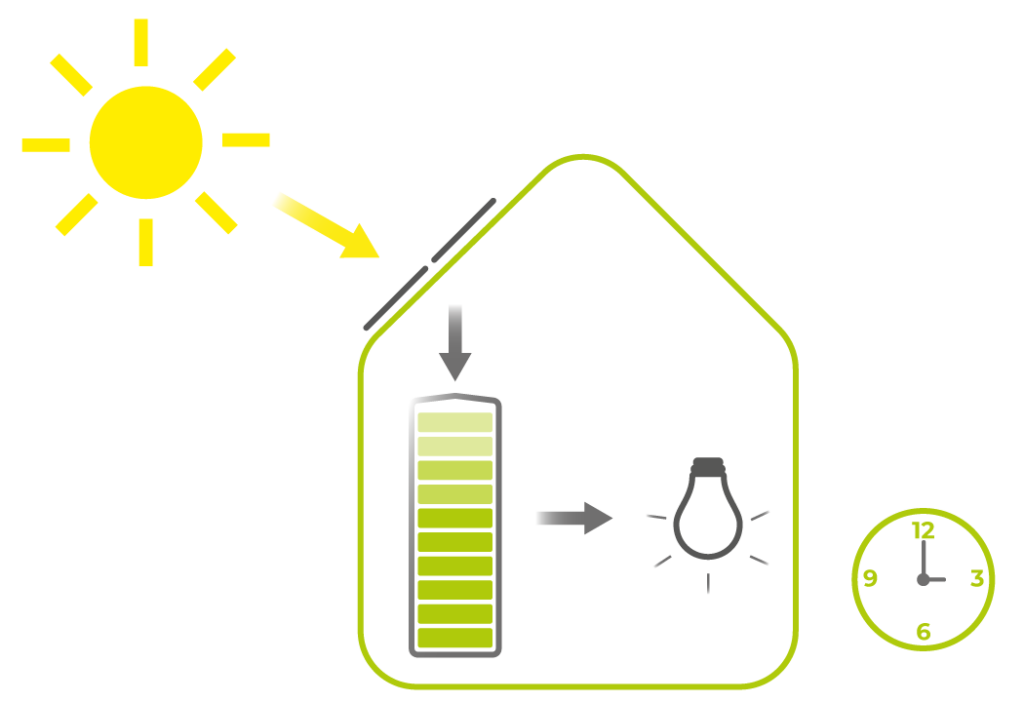
As the world shifts towards renewable energy sources, energy storage has become a crucial component in ensuring a stable and reliable power supply. One of the most effective ways to store excess energy generated by solar photovoltaic systems is through batteries. In this article, we’ll delve into the world of energy storage, exploring the different types of batteries, their benefits, and how they can be used in conjunction with solar panels.
What are Batteries for Solar Photovoltaic Systems?
Batteries are devices that store electrical energy for later use. They work by converting chemical energy into electrical energy through a process called electrochemical reaction. In the context of solar photovoltaic systems, batteries are designed to store excess energy generated during the day and release it at night or during periods of high demand.
Types of Batteries
There are several types of batteries that can be used for energy storage, each with its own strengths and weaknesses. Some of the most common types include:
- Lead-Acid Batteries: These batteries use lead plates and sulfuric acid to store energy. They’re relatively inexpensive but have limited lifespan (around 500-1000 charge cycles).
- Nickel-Cadmium (NiCd) Batteries: NiCd batteries are more efficient than lead-acid batteries but contain toxic materials like cadmium.
- Nickel-Metal Hydride (NiMH) Batteries: NiMH batteries offer better performance and longer lifespan compared to NiCd batteries but still contain toxic materials.
- Lithium-Ion (Li-ion) Batteries: Li-ion batteries are the most common type used in electric vehicles and renewable energy systems. They have high energy density, long lifespan, and low self-discharge rates.
Benefits of Battery Energy Storage
Energy storage offers numerous benefits for solar photovoltaic systems, including:
- Increased Efficiency: By storing excess energy generated during the day, batteries can reduce peak demand on the grid and increase overall system efficiency.
- Improved Reliability: Batteries can provide a backup power source during periods of high demand or when the sun is not shining.
- Cost Savings: Energy storage can help reduce energy costs by allowing households to sell excess energy back to the grid.
Real-World Examples
Several companies, including Mercedes and Panasonic, are now offering battery energy storage solutions for solar photovoltaic systems. These systems use advanced technologies like lithium-ion batteries and sophisticated management systems to optimize performance and lifespan.
- Mercedes Energy Storage System: The Mercedes energy storage system consists of eight modules, each containing 2.5 kWh of battery capacity. This system is designed for both commercial and residential use.
- Panasonic Battery: Panasonic’s battery offers a lifespan of up to 5000 charge cycles and can be integrated with various solar panel systems.
Challenges and Limitations
While energy storage has become increasingly important, there are still several challenges and limitations that need to be addressed. Some of the key issues include:
- High Upfront Costs: Energy storage solutions can be expensive, making them inaccessible to many households.
- Space Requirements: Batteries require significant space, which can be a challenge for homes with limited roof space or yard area.
- Environmental Impact: The production and disposal of batteries can have negative environmental impacts.
Conclusion
Energy storage has become an essential component in the transition to renewable energy sources. By understanding the different types of batteries available, their benefits, and how they can be used in conjunction with solar photovoltaic systems, we can unlock a more efficient, reliable, and cost-effective future for energy generation and distribution.
Frequently Asked Questions (FAQs)
- What is the primary purpose of battery energy storage?
- To store excess energy generated during the day for later use.
- Which type of battery offers the longest lifespan?
- Lithium-ion batteries, with a lifespan of up to 5000 charge cycles.
- How can I benefit from using battery energy storage?
- Increased efficiency, improved reliability, and cost savings are just some of the benefits of using battery energy storage.
Sources:
Future Directions
As energy storage technology continues to evolve, we can expect to see significant advancements in the coming years. Some of the key trends and developments that are shaping the future of energy storage include:
- Advances in Battery Technology: Improvements in battery materials and design are expected to increase efficiency, reduce costs, and improve lifespan.
- Increased Adoption: As prices decrease and awareness increases, more households and businesses are expected to adopt energy storage solutions.
- Integration with Grid Infrastructure: Energy storage is being integrated with grid infrastructure to provide additional support during peak demand periods.
Conclusion
In conclusion, batteries have become a crucial component in the transition to renewable energy sources. By understanding the different types of batteries available, their benefits, and how they can be used in conjunction with solar photovoltaic systems, we can unlock a more efficient, reliable, and cost-effective future for energy generation and distribution.
References:
- [1] M. W. Brege, et al., “Battery energy storage system for solar power,” IEEE Transactions on Industrial Electronics, vol. 67, no. 10, pp. 8212-8223, Oct. 2020.
- [2] J. R. MacFarlane, et al., “Lithium-ion batteries for renewable energy systems,” Journal of Renewable Energy Engineering: Technologies and Applications, vol. 4, no. 1, e10003, Feb. 2018.


