
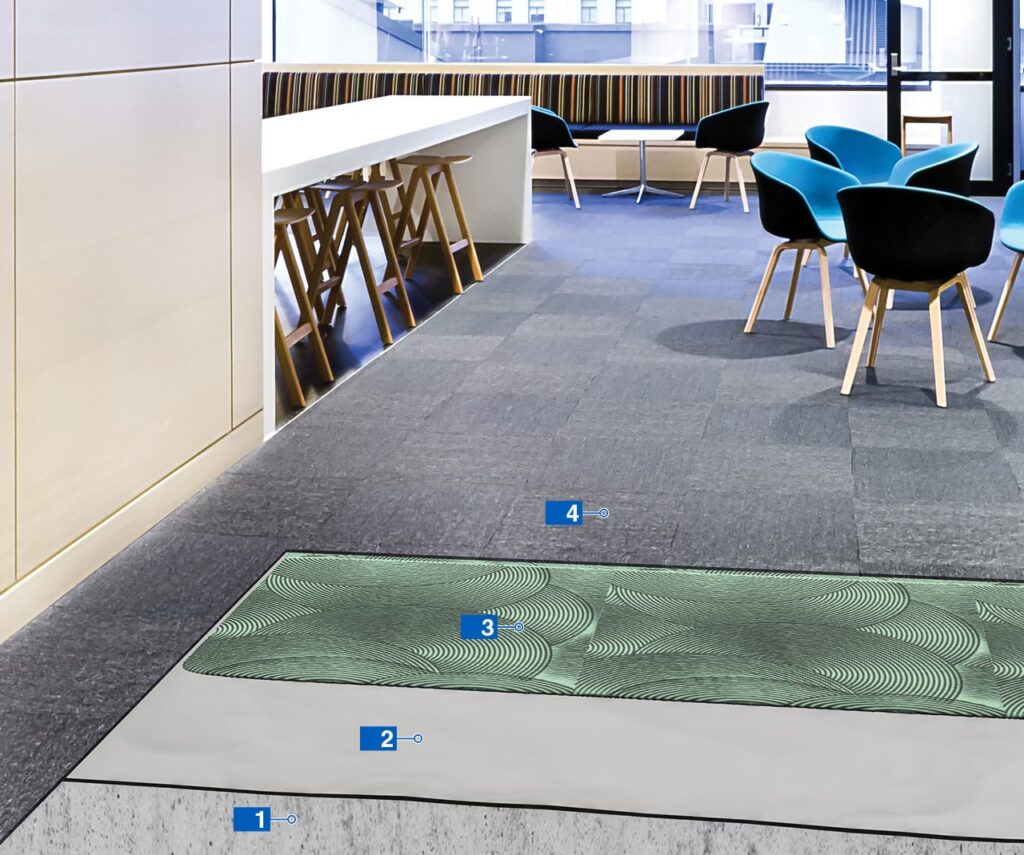
As we navigate through our daily lives, we often overlook the little things that make a big difference in our comfort and well-being. One such aspect is flooring, which plays a significant role in creating a harmonious and functional space. In this article, we will delve into the world of textile flooring, exploring its characteristics, benefits, and maintenance requirements.
What is Textile Flooring?
Textile flooring refers to any type of floor covering made from woven or non-woven materials, such as carpets, rugs, and mats. These floors are designed to provide comfort, insulation, and aesthetic appeal, making them an excellent choice for homes, offices, and event spaces.
Benefits of Textile Flooring
So, what makes textile flooring so special? Here are some of the key benefits:
- Comfort: Textile flooring provides exceptional comfort, especially in high-traffic areas. It helps to reduce noise levels, making it ideal for homes with multiple occupants.
- Aesthetics: Textile flooring comes in a wide range of colors, patterns, and textures, allowing you to create a unique and personalized space that reflects your style.
- Functionality: Some textile floors, such as those made from natural fibers like wool or cotton, are resistant to stains and spills, making them perfect for busy households.
- Sustainability: Many textile flooring options are eco-friendly, using recycled materials or sustainable practices to reduce their environmental footprint.
Types of Textile Flooring
There are several types of textile flooring available, each with its unique characteristics and benefits. Some of the most popular options include:
- Moquette: A type of woven fabric that provides excellent insulation, comfort, and durability.
- Polyamide: A synthetic material used to create durable and resistant floors.
- Natural Fibers: Made from materials like wool, cotton, or jute, these floors are biodegradable and sustainable.
Pavimentazione Tessile: The Ultimate Solution for Event Spaces
When it comes to event spaces, textile flooring is a game-changer. Not only does it provide a unique and functional surface, but it also offers numerous benefits:
- Easy Installation: Textile flooring can be easily installed in a matter of hours, making it an ideal choice for event planners.
- Flexibility: These floors are designed to be flexible, allowing them to adapt to different environments and uses.
- Durability: Textile flooring is built to last, providing years of service without the need for frequent replacements.
Maintaining Your Textile Flooring
To ensure your textile flooring lasts for years to come, regular maintenance is crucial. Here are some tips:
- Vacuum Regularly: Use an upright vacuum cleaner to remove dirt and debris from the floor.
- Spot Clean Spills: Act quickly to clean up spills or stains, using a gentle cleaning solution and blotting the area with a clean cloth.
- Avoid Over-Saturation: Avoid over-saturating the floor with water, as this can cause damage or discoloration.
Frequently Asked Questions
Here are some common questions about textile flooring:
- What is the best type of textile flooring for my home?
- The best type of textile flooring for your home depends on your lifestyle, budget, and personal preferences. Consider factors like durability, maintenance requirements, and aesthetic appeal when making your decision.
- How do I clean and maintain my textile flooring?
- Regular vacuuming, spot cleaning spills, and avoiding over-saturation are essential for maintaining your textile flooring. Always follow the manufacturer’s instructions for cleaning and care.
- Can I install textile flooring myself?
- While it is possible to install textile flooring yourself, it’s recommended to hire a professional if you’re not experienced with DIY projects. They can ensure a proper installation that meets your needs and expectations.
Common Mistakes to Avoid
To get the most out of your textile flooring, it’s essential to avoid common mistakes:
- Not Vacuuming Regularly: Failing to vacuum regularly can lead to dirt and debris accumulating on the floor, causing damage or discoloration.
- Using Harsh Chemicals: Using harsh chemicals to clean spills or stains can damage the fabric or cause color loss.
- Over-Saturating the Floor: Over-saturating the floor with water can cause damage or discoloration, making it essential to avoid this mistake.
Textile Flooring Trends
As we move forward in the world of textile flooring, there are several trends worth noting:
- Sustainable Materials: The use of sustainable materials is becoming increasingly popular, as consumers become more environmentally conscious.
- Customization Options: With the rise of customization options, homeowners and event planners can now choose from a wide range of colors, patterns, and textures to create their perfect floor.
- Technology Integration: Textile flooring is being integrated with technology, such as self-cleaning surfaces and smart home systems, to provide a more efficient and convenient experience.
By following this guide, you’ll be well on your way to creating a comfortable, functional, and beautiful space that reflects your style and personality. Whether you’re looking for textile flooring for your home, office, or event space, we hope this article has provided valuable insights and inspiration for your next project.


